Your Guide to Rural Property for Sale SA: Finding Agricultural Land Across South Australia
South Australia’s rural property market presents outstanding opportunities for buyers seeking agricultural land, productive farming operations, and rural estates across diverse landscapes. When searching for rural property for sale SA, prospective buyers discover everything from established broadacre operations to specialized horticultural assets, premium grazing country, and mixed farming enterprises. We at Agribusiness Horizons specialize in connecting buyers with exceptional rural properties throughout South Australia, bringing decades of expertise in agricultural property transactions to help clients navigate acquisitions with strategic insight and confidence.
This comprehensive guide explores what makes South Australian rural property attractive, how to evaluate different property types, and what considerations matter most when pursuing agricultural land acquisitions. Whether you’re expanding existing farming enterprises, entering agriculture for the first time, or building investment portfolios with rural assets, understanding South Australia’s rural property market dynamics will help you make informed decisions aligned with your agricultural and investment objectives.
Understanding South Australia’s Rural Property Landscape
South Australia offers remarkable diversity across its rural property portfolio. The state spans multiple climate zones, soil types, and agricultural regions, each supporting different farming enterprises and rural land uses. From the irrigated districts of the Riverland to the grain-growing regions of Yorke Peninsula, from the premium livestock country of the Southeast to the extensive pastoral zones of the far north, South Australian rural property encompasses extraordinary variety.
This regional diversity creates opportunities for buyers with varying objectives, capital resources, and management capabilities. Some rural properties suit intensive horticultural operations requiring significant labor and capital investment. Others support extensive livestock grazing with lower management intensity but requiring larger land areas. Understanding how different rural property types align with your skills, resources, and objectives becomes fundamental to successful acquisitions.
South Australia’s agricultural infrastructure supports efficient rural property operations. Established grain handling networks, livestock processing facilities, irrigation schemes, transport corridors, and agricultural service providers create the operational foundation required for commercial agriculture. Rural properties with good infrastructure access typically operate more cost-effectively and command stronger market valuations.
The state’s agricultural sector demonstrates resilience across market cycles and climate variability. South Australian farmers have refined practices suited to local conditions over generations, creating proven operational models. This agricultural maturity provides confidence for buyers investing in rural property, knowing established farming systems and support networks exist throughout agricultural regions.
Key Regions Where Quality Rural Property Becomes Available
The Riverland region features rural property for sale SA with developed irrigation infrastructure supporting intensive agriculture. Properties here typically include permanent water allocations, established irrigation systems, and proximity to horticultural processing facilities. The region’s water security and favorable climate make it attractive for citrus production, wine grapes, stone fruit, and vegetables requiring controlled water supply throughout growing seasons.
The Mid North encompasses productive rural property combining cropping capability with livestock potential. This region features quality agricultural soils, moderate rainfall supporting diverse enterprises, and established farming communities. Rural properties here often provide operational flexibility, allowing owners to adjust enterprise mix based on seasonal conditions, commodity prices, and market opportunities.
Yorke Peninsula offers prime grain-growing rural property attracting strong interest from experienced cropping operators. The peninsula’s maritime-influenced climate provides reliable growing season conditions for cereal and legume production. Rural properties benefit from proximity to multiple grain export terminals at Port Adelaide, Wallaroo, and Ardrossan, reducing freight costs and improving market competitiveness.
The Limestone Coast region combines productive rural property with favorable rainfall and volcanic soils. This area supports diverse agricultural enterprises including prime lamb production, dairy farming, premium viticulture, and commercial forestry. The region’s reliable water resources and temperate climate create ideal conditions for intensive agricultural systems generating strong enterprise returns.
Upper North and pastoral regions offer extensive rural property suited to larger-scale operations. While rainfall variability presents management challenges, properties in favorable zones or with water access provide solid productive potential. These areas often feature larger property sizes enabling economies of scale in mechanized farming and extensive livestock operations.
What Makes Rural Property for Sale SA Attractive to Buyers
Several factors contribute to South Australia’s appeal for rural property investment. The state’s biosecurity status represents a significant advantage. South Australia maintains freedom from many pests and diseases affecting agricultural production elsewhere, providing market access benefits and premium pricing opportunities for agricultural commodities. This biosecurity advantage enhances long-term value for rural property supporting agricultural production.
Water management frameworks in South Australia provide clarity around water rights and allocations. While water remains precious and carefully managed, established regulatory systems reduce uncertainty for rural property buyers. Understanding water entitlements, allocation reliability, and regulatory compliance requirements forms essential parts of comprehensive property evaluation.
South Australia’s reputation for clean, quality agricultural production opens premium market opportunities. The state’s agricultural commodities command favorable pricing in both domestic and international markets, particularly for organic, sustainable, and specialty products. This market positioning supports stronger returns on rural property investments and creates opportunities for value-adding agricultural enterprises.
The rural property market itself demonstrates favorable characteristics for buyers. South Australian agricultural land has historically shown steady appreciation while maintaining relative affordability compared to some mainland eastern states. This balance between productive capacity, capital cost, and appreciation potential makes the state attractive for both operating farmers and investment-focused buyers.
Evaluating Different Types of Rural Property
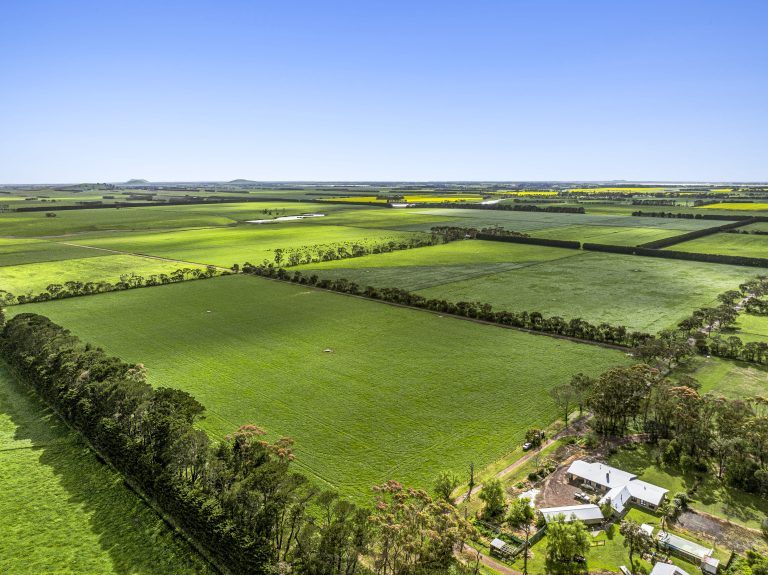
Broadacre cropping properties form substantial portions of South Australia’s rural property offerings. These operations typically feature large continuous areas suited to mechanized grain and oilseed production. Successful cropping properties require appropriate soil types, adequate seasonal rainfall or supplementary irrigation, and suitable topography for modern farming equipment. Evaluation should consider historical production records, cropping rotation history, and potential productivity improvements through management or technology changes.
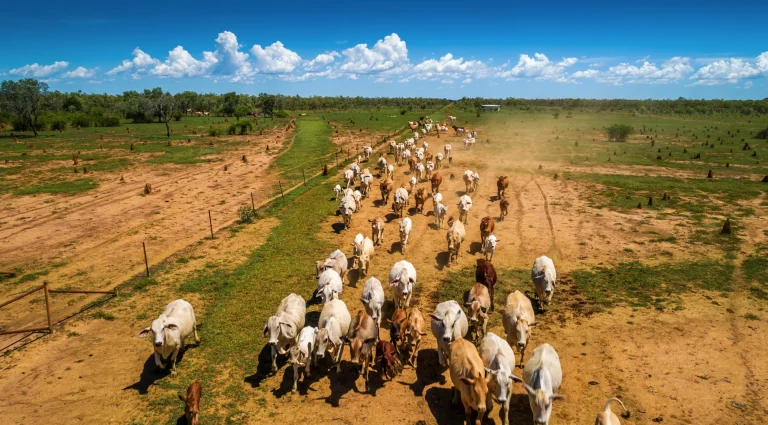
Grazing properties support livestock enterprises ranging from extensive cattle operations to intensive prime lamb production systems. These rural properties require assessment of carrying capacity, pasture types and condition, water infrastructure distribution, and livestock handling facilities. Understanding historical stocking rates, pasture improvement investments, and regional animal health considerations helps buyers evaluate livestock property potential accurately.
Irrigation properties dedicated to horticulture represent specialized rural assets requiring significant capital investment. These operations feature permanent plantings, sophisticated irrigation infrastructure, and often include processing or cool storage facilities. Buyers should carefully evaluate water security, plant health and variety selection, market access for produce, and labor availability when considering horticultural rural property acquisitions.
Mixed farming properties combine cropping and livestock enterprises, providing income diversification and operational flexibility. This rural property type allows adjustment of enterprise mix based on seasonal conditions, commodity price movements, and management preferences. Successful mixed farming requires infrastructure suited to multiple enterprises and management skills across different agricultural activities.
Lifestyle rural properties blend agricultural production with residential appeal. These properties often feature quality homesteads, attractive landscapes, and proximity to regional centers or coastal areas. While productive capacity remains important, lifestyle rural property also attracts buyers valuing rural amenity, privacy, and quality of life alongside agricultural enterprise potential.
Comparing Rural Property Characteristics Across South Australia
| Property Characteristic | Riverland Region | Mid North Region | Yorke Peninsula |
|---|---|---|---|
| Primary Agriculture | Irrigation horticulture, viticulture | Mixed cropping and livestock | Grain production, sheep grazing |
| Water Security | High with river allocations | Moderate rainfall dependence | Moderate to good rainfall |
| Soil Quality | Variable, irrigation compensates | Generally good to excellent | Good grain-growing soils |
| Infrastructure Access | Excellent for horticulture | Good agricultural services | Strong grain handling network |
| Typical Property Scale | Smaller intensive operations | Medium mixed farms | Medium to large cropping properties |
How We Support Your Rural Property Search
Our approach to helping clients secure rural property for sale SA begins with comprehensive understanding of your agricultural objectives, investment criteria, and operational experience. We recognize every buyer brings different goals, whether building farming enterprises, pursuing lifestyle objectives, diversifying investment portfolios, or entering agriculture. This initial consultation shapes our property identification strategy and ensures focus on opportunities genuinely matching your requirements and capabilities.
We maintain extensive networks throughout South Australia’s rural communities, providing access to both openly marketed properties and off-market opportunities. Our relationships with landholders, agricultural professionals, financial advisors, and industry participants often give clients early insight into rural properties before public marketing begins. This network advantage proves valuable in competitive markets where premium rural property attracts multiple interested parties quickly.
Our valuation and financial analysis services provide comprehensive understanding of rural property worth and investment potential. We employ agricultural economists and valuation specialists who understand South Australian rural property pricing across different regions and property types. Our assessments incorporate comparable sales analysis, productive capacity evaluation, and enterprise-level financial modeling to deliver accurate valuations supporting confident purchase decisions.
The due diligence support we provide extends well beyond standard property inspections. Our team coordinates agronomic assessments, water rights verification, environmental compliance reviews, infrastructure evaluations, and title searches. We engage specialist consultants where needed to ensure clients have complete information before committing to rural property purchases. This thorough approach to risk reduction protects your investment and prevents costly surprises.
We actively participate in negotiations to secure favorable purchase terms. Our experience in agricultural property transactions means we understand what represents fair market value and what contract terms protect buyer interests effectively. Whether negotiating price, settlement timing, special conditions around water rights, plant and equipment inclusions, or vendor assistance during transition, we advocate strongly for clients throughout transaction processes.
Contact our team today to discuss your interest in South Australian rural property. We’ll arrange an initial consultation to understand your objectives and begin identifying suitable rural property for sale SA opportunities matching your criteria.
Current Trends Shaping Rural Property Markets
Several notable trends influence the market for rural property for sale SA currently. Institutional investment in agricultural assets continues growing, with superannuation funds, family offices, and agricultural investment schemes seeking exposure to productive rural property. These sophisticated buyers typically pursue larger-scale properties with strong productive capacity and professional management potential. Their participation contributes to competitive pricing for premium rural assets.
Interstate buyer activity remains significant in South Australian rural property markets. Buyers from Victoria, New South Wales, and Queensland perceive South Australian rural property as offering relative value compared to their home states. This interstate interest supports market liquidity and brings diverse agricultural expertise and capital into South Australia’s farming sector.
Technology adoption is reshaping buyer preferences and rural property values. Precision agriculture systems, data-driven management platforms, remote monitoring technologies, and connectivity infrastructure influence purchase decisions. Rural property where modern technologies can be effectively implemented holds particular appeal to progressive farmers and institutional agricultural operators seeking operational efficiency.
Sustainability considerations increasingly affect rural property evaluation and pricing. Properties demonstrating environmental stewardship, carbon sequestration potential, biodiversity values, or regenerative agriculture practices attract premium buyer interest. Our strategic advisory and consulting team helps clients understand and optimize these emerging value drivers in rural property transactions.
Climate adaptation concerns influence buyer priorities when evaluating rural property. Properties with secure water access, climate-resilient characteristics, enterprise diversification potential, or natural risk mitigation features receive strong attention. Buyers increasingly assess rural property through lenses of long-term sustainability and productive resilience under variable climate conditions.
Financing Your Rural Property Purchase
Securing appropriate financing for rural property purchases requires working with lenders who understand agricultural operations and rural property valuation methodologies. Agricultural banking specialists assess properties differently than residential mortgage lenders, considering productive capacity, enterprise cash flows, commodity market dynamics, and climate risks alongside security values.
Most agricultural lenders require substantial equity contributions for rural property purchases. Loan-to-value ratios typically remain more conservative than residential lending, reflecting agricultural income variability and market cycles. Understanding deposit requirements, lending assessment criteria, serviceability calculations, and approval timeframes early in property searches prevents disappointment and wasted transaction costs.
Enterprise financial projections play crucial roles in lending assessments for productive rural property. Lenders evaluate whether anticipated agricultural income can service debt obligations while providing adequate working capital for operations. Realistic financial modeling incorporating conservative commodity prices, yield assumptions, and operating costs strengthens lending applications and ensures sustainable debt structures.
Different lending products suit different buyer circumstances and rural property types. Operating farmers may access agricultural development loans incorporating working capital facilities alongside property purchase finance. Investment buyers might structure loans differently, potentially incorporating corporate entities, self-managed superannuation funds, or specialized agricultural investment vehicles. Understanding options and selecting appropriate structures requires expert financial advice.
We maintain relationships with agricultural banking specialists who understand South Australian farming operations and can structure appropriate finance facilities for rural property purchases. While we don’t provide financial advice directly, we connect clients with experienced agricultural finance professionals supporting successful transactions.
Practical Steps in Your Rural Property Journey
Beginning your search for rural property for sale SA starts with clarifying agricultural objectives and investment parameters. Define what agricultural enterprises interest you, what scale of operation matches your management capacity and capital resources, what regions align with your location preferences, and what property characteristics matter most. Clear criteria focus searches and prevent time wasted evaluating unsuitable rural properties.
Engaging qualified advisors early strengthens acquisition processes. Beyond property agents, consider agricultural consultants who can assess farming operations, lawyers experienced in rural property conveyancing, accountants familiar with agricultural taxation, and farm management advisors. Building your advisory team before identifying specific rural property ensures you can move quickly and confidently when opportunities arise.
Conducting thorough property inspections reveals details marketing materials cannot convey. Visit rural properties multiple times if possible, ideally during different seasons or weather conditions. Walk boundaries, inspect infrastructure closely, examine soil profiles, test water sources, and engage with neighboring landholders who can provide insights about local conditions, community dynamics, and property-specific considerations.
Understanding vendor situations and motivations helps shape effective negotiation strategies. Rural property sold due to retirement, succession transitions, debt restructuring, or lifestyle changes presents different negotiation dynamics than properties sold for strategic portfolio reallocation. Our experienced negotiators understand these nuances and position offers to achieve favorable outcomes for buyers while maintaining respectful vendor relationships.
Planning your transition into rural property ownership should begin before settlement. Consider timing around planting seasons, livestock movements, labor recruitment, equipment acquisition, and establishment of supplier relationships. Our post-sale and transition support services help buyers navigate this crucial period, coordinating handover details and supporting smooth operational commencement.
Regional Considerations and Local Market Knowledge
South Australia’s agricultural regions each possess distinct characteristics affecting rural property operations and values. Understanding local rainfall patterns, soil type variations, pest and disease pressures, frost risk, wind exposure, and agricultural service availability helps assess whether specific rural property suits your objectives and operational capabilities.
Local farming communities provide valuable support networks for rural property operations. Established regions typically feature active agricultural societies, field day programs, farmer networks, and community organizations facilitating knowledge sharing and collaborative problem-solving. Rural property in areas with strong agricultural communities often proves easier to operate successfully, particularly for buyers new to specific regions or agricultural enterprises.
Agricultural service provider availability varies significantly across South Australian regions. Access to agronomists, veterinarians, machinery dealers, contract service providers, livestock agents, and rural merchandise suppliers affects operational efficiency and costs. Rural property in regions with comprehensive agricultural service infrastructure benefits from better operational support and competitive pricing for essential services.
Understanding regional market dynamics helps assess rural property values and appreciation potential. Some regions experience stronger buyer demand due to productivity advantages, infrastructure access, lifestyle appeal, or favorable agricultural sector trends. Analyzing recent rural property sales, current market listings, days on market, and buyer activity patterns provides insight into market conditions and competitive positioning of specific properties.
Climate characteristics and risks vary considerably across South Australia’s diverse agricultural regions. Frost susceptibility, rainfall variability, heat stress during critical crop development stages, wind damage potential, and flooding risk all affect agricultural productivity and enterprise suitability. Thorough climate analysis helps match rural property characteristics with agricultural enterprises suited to prevailing environmental conditions and your risk tolerance.
Building Successful Operations on Your Rural Property
Establishing successful agricultural operations on newly acquired South Australian rural property requires careful planning and staged implementation. Beginning with thorough property assessment helps understand soil variations, drainage patterns, microclimate effects, infrastructure condition, and operational constraints influencing production across different areas. This knowledge foundation supports better management decisions and resource allocation strategies.
Developing relationships with local agricultural professionals builds essential support networks. South Australia’s agricultural service sector includes experienced agronomists, livestock consultants, irrigation specialists, farm management advisors, and agricultural contractors who understand regional conditions deeply. These relationships contribute to operational success and provide access to specialized expertise when facing challenges or pursuing productivity improvements.
Strategic infrastructure investment should align with enterprise plans and available cash flow. Prioritizing improvements directly supporting productive capacity, reducing operational costs, or addressing compliance requirements typically delivers better returns than non-essential investments. Our team helps clients develop rational capital improvement plans balancing immediate operational needs with longer-term strategic rural property development objectives.
Participating in local agricultural communities through industry events, grower groups, field days, and educational programs accelerates learning and builds professional networks. South Australia features active agricultural organizations, research collaborations, extension services, and demonstration sites that support farm business development and adoption of best practices suited to regional conditions.
Environmental Stewardship and Sustainable Rural Property Management
Modern rural property management increasingly incorporates environmental stewardship alongside productive agriculture. South Australian buyers recognize that sustainable land management practices protect long-term productive capacity while potentially generating additional income through natural capital programs. Understanding these opportunities helps optimize rural property value beyond traditional agricultural production alone.
Carbon farming opportunities exist across various rural property types in South Australia. Properties with capacity for vegetation management, soil carbon sequestration, savanna burning, or emissions reduction can generate Australian Carbon Credit Units providing additional income streams. Our water rights and natural capital advisory team helps clients assess and optimize these opportunities on rural property acquisitions.
Biodiversity conservation programs offer potential income while enhancing environmental values on rural property. Land with native vegetation, habitat corridors, threatened species values, or ecological significance may qualify for biodiversity stewardship arrangements. These programs can provide long-term income while maintaining productive agricultural use on suitable portions of properties.
Water quality and catchment health considerations affect rural property management approaches. Understanding nutrient management, erosion control, riparian zone protection, and drainage management helps ensure compliance with environmental regulations while maintaining productive capacity. Rural properties demonstrating good environmental management practices often attract premium valuations in agricultural markets.
Regenerative agriculture approaches are gaining traction among South Australian farmers. Practices including minimal tillage, diverse crop rotations, integrated livestock management, cover cropping, and soil health focus can improve rural property productivity while enhancing environmental outcomes. Properties suited to these approaches attract buyers pursuing sustainable agricultural models aligned with market trends and consumer preferences.
Conclusion: Securing Your South Australian Rural Property Investment
The opportunity to acquire rural property for sale SA represents investment in productive agricultural assets within one of Australia’s most diverse and established farming regions. South Australia’s combination of proven agricultural systems, developed infrastructure, regional diversity, relative market value, and environmental quality creates compelling foundations for rural property investment success across multiple agricultural sectors.
Whether you’re an experienced farmer seeking expansion, an investor building agricultural portfolios, someone pursuing lifestyle objectives alongside agricultural production, or a new entrant to farming, South Australia’s rural property market offers opportunities deserving serious consideration and thorough evaluation. Success requires comprehensive property assessment, understanding regional agricultural economics, and working with advisors bringing specialized agribusiness expertise to every transaction stage.
We at Agribusiness Horizons combine deep agricultural knowledge with comprehensive transaction management capabilities to help clients achieve rural property acquisition objectives. Our end-to-end approach means you benefit from coordinated professional services throughout property searches, evaluations, purchases, and transitions into ownership of South Australian rural property.
As you consider opportunities in South Australia’s rural property market, reflect on these important questions: What agricultural enterprises or rural lifestyle objectives best match your skills, interests, and capital resources? How do different regional characteristics across South Australia align with your intended land use approaches and lifestyle preferences? What role could sustainable practices, natural capital development, and emerging agricultural opportunities play in your long-term rural property strategy?
The answers to these questions will shape your rural property search and acquisition approach. Our team stands ready to help you work through these considerations and identify rural property for sale SA opportunities genuinely aligned with your agricultural investment goals and lifestyle objectives.
Ready to begin exploring South Australian rural property opportunities? Contact our team at Agribusiness Horizons today. Call Rawdon Briggs on +61 428 651 144 or email [email protected] to schedule a consultation. We’ll discuss your objectives, provide current market insights, and begin identifying premium rural property for sale SA that matches your vision. Let our expertise in agribusiness advisory services guide you toward the right rural property for your agricultural future.