Your Complete Guide to Rural Real Estate NSW: Agricultural Property Investment Opportunities
The agricultural landscape of New South Wales continues to attract investors seeking productive farmland and profitable agribusiness ventures. Whether you’re looking to expand your existing operations or enter the rural real estate NSW market for the first time, understanding the unique characteristics of agricultural properties across this diverse state is essential for making informed investment decisions. At Agribusiness Horizons, we specialize in facilitating high-value farmland transactions throughout New South Wales and invite you to contact our team for expert guidance on your agricultural property journey. This comprehensive guide explores the key aspects of acquiring, selling, and managing agricultural land in NSW, from coastal horticultural operations to inland cattle stations.
The Agricultural Property Landscape in New South Wales
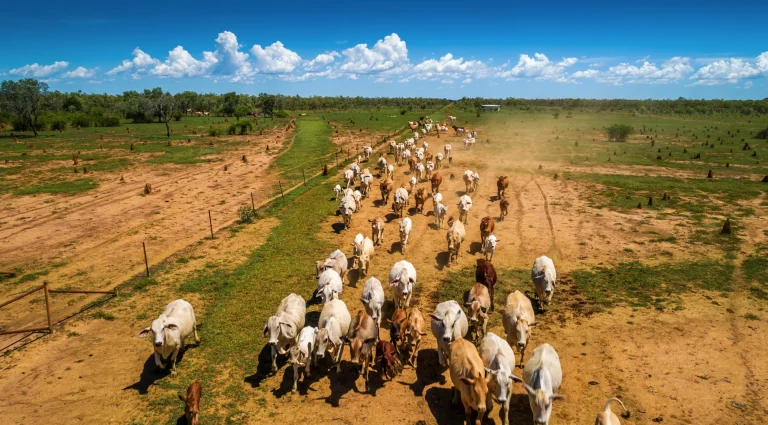
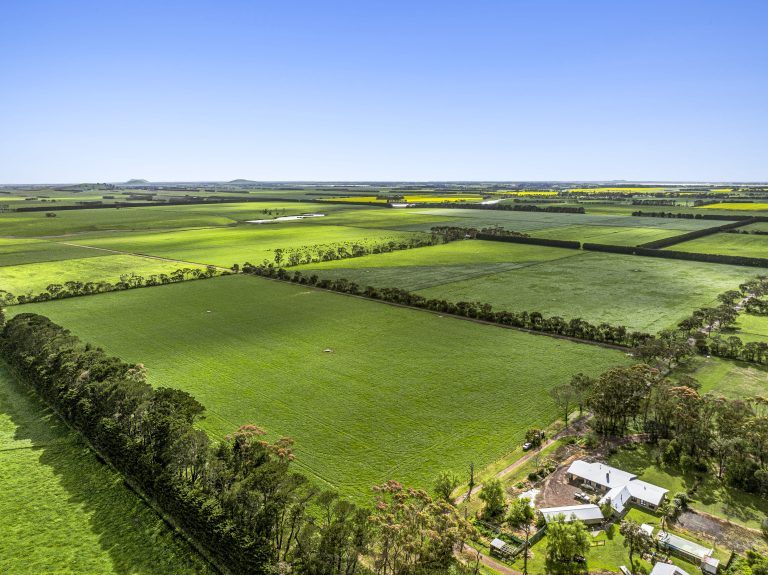
New South Wales represents one of Australia’s most diverse agricultural regions, encompassing everything from high-rainfall coastal areas perfect for intensive horticulture to expansive inland grazing properties suited for large-scale cattle operations. The state’s agricultural sector benefits from varied climatic zones, established infrastructure networks, and proximity to major domestic and international markets. Rural properties across NSW range from specialty crop farms producing premium produce to broad-acre operations focused on grain production and livestock management.
The agricultural real estate market in this state has historically demonstrated resilience through economic cycles, with productive farmland maintaining strong value retention characteristics. Investors are increasingly recognizing the tangible asset value that quality agricultural properties offer, particularly those with secure water allocations and modern infrastructure. The diversity of farming enterprises possible across different regions creates opportunities for portfolio diversification within the agricultural sector itself.
Recent developments in transportation infrastructure have enhanced the accessibility of previously remote agricultural areas, opening new possibilities for commercial farming ventures. Additionally, the growing focus on food security and sustainable production methods has elevated interest in well-managed agricultural operations that demonstrate environmental stewardship alongside productive capacity.
Understanding Rural Real Estate NSW Market Dynamics
The rural real estate NSW market operates differently from residential property sectors, with valuations heavily influenced by productive capacity, water security, soil quality, and operational infrastructure. Agricultural properties are assessed based on their ability to generate sustainable returns through various farming enterprises, whether that involves livestock production, crop cultivation, or specialty agricultural ventures like viticulture or horticulture.
Regional variations significantly impact property values and investment potential. Coastal districts with reliable rainfall and proximity to urban markets often command premium pricing for intensive horticultural operations, while inland regions offer expansive grazing properties at different price points relative to carrying capacity and improvement quality. Understanding these regional nuances proves critical when evaluating agricultural investment opportunities.
Water rights represent a particularly important consideration in the NSW agricultural property market. Properties with permanent water allocations, licensed bore access, or reliable rainfall patterns typically carry value premiums reflecting the security these resources provide for ongoing operations. Climate resilience has become an increasingly important factor as buyers assess the long-term viability of agricultural ventures across different geographical areas.
The agricultural property market also responds to commodity price cycles, with strong performance in key agricultural sectors often translating to increased demand for suitable farmland. However, quality agricultural real estate tends to maintain value even during softer commodity markets, particularly when properties demonstrate operational efficiency and diversification potential.
Key Agricultural Regions and Their Investment Characteristics
Northern Tablelands and New England Region
The northern agricultural districts of NSW offer diverse farming opportunities across elevated tablelands and fertile valleys. This region supports mixed farming operations including cattle grazing, sheep production, and various crop enterprises. The cooler climate at higher elevations creates opportunities for specialty crops while the pastoral country provides excellent conditions for livestock operations. Properties in these areas often feature established infrastructure and reliable seasonal rainfall patterns that support year-round agricultural productivity.
Central West and Riverina Districts
Central and western NSW encompasses some of the state’s most productive broad-acre farming country. The Riverina region particularly stands out for irrigated agriculture, with properties benefiting from Murray-Darling Basin water allocations supporting intensive crop production. These areas represent the heart of NSW grain production, with modern farming operations utilizing advanced technology and practices. Agricultural properties here range from dryland grazing operations to sophisticated irrigated enterprises producing high-value crops.
Coastal and North Coast Agricultural Areas
The coastal agricultural regions of NSW benefit from higher rainfall reliability and proximity to major population centers. These districts support intensive horticultural operations, specialty crop production, and dairy farming alongside traditional livestock enterprises. Properties in coastal zones often carry premium valuations reflecting their productive capacity for high-value crops and favorable climatic conditions. The established infrastructure and market access in these regions make them particularly attractive for investors seeking consistent agricultural returns.
Southern Highlands and Tablelands
The southern agricultural districts combine pastoral excellence with emerging opportunities in specialty agriculture. This region supports traditional livestock operations while also attracting investment in viticulture, horticulture, and other premium agricultural ventures. The combination of favorable climate, established agricultural communities, and growing demand for locally-produced specialty products creates compelling opportunities for discerning investors.
Essential Considerations for Agricultural Property Acquisition
Acquiring agricultural land requires careful evaluation beyond simple property characteristics. Successful rural real estate NSW investments depend on thorough assessment of productive capacity, water security, infrastructure quality, and operational viability. Prospective buyers must consider carrying capacity for livestock operations, soil fertility for cropping enterprises, and the condition of improvements including fencing, water systems, and structural assets.
Legal considerations take on added complexity with agricultural properties. Understanding land title specifics, existing easements, water license arrangements, and any encumbrances proves essential before committing to acquisition. Many agricultural properties also involve additional considerations around native vegetation regulations, biosecurity requirements, and local planning provisions that may affect future operational flexibility.
Financial analysis for agricultural properties differs substantially from other real estate investments. Buyers should evaluate historical production records, analyze potential returns under various commodity price scenarios, and assess capital requirements for maintaining or improving operations. Understanding the seasonal nature of agricultural cash flows and planning appropriate financing structures ensures sustainable ownership.
Due diligence on agricultural properties extends to environmental factors including soil health, water quality, and any historical land use issues that might affect productivity or create ongoing management obligations. Properties with documented sustainability practices and environmental stewardship often carry value premiums while also providing operational advantages through improved resource efficiency.
How Agribusiness Horizons Facilitates Rural Real Estate NSW Transactions
At Agribusiness Horizons, we bring specialized expertise to every rural real estate NSW transaction, whether you’re buying your first agricultural property or expanding an existing portfolio. Our comprehensive approach begins with understanding your specific objectives, timeline, and investment criteria, allowing us to identify suitable opportunities that align with your goals.
Our valuation and financial analysis services provide accurate assessments of agricultural property values based on comparable transactions, productive capacity, and future potential. We incorporate environmental and sustainability factors into our valuations, recognizing that these elements increasingly influence long-term asset performance. Our financial modeling helps buyers understand expected returns under various operational scenarios and market conditions.
For sellers, we develop tailored marketing and sales strategies that position properties effectively within the agricultural real estate market. Our campaigns leverage professional photography, comprehensive property information packages, and targeted outreach to qualified buyers actively seeking agricultural investments. We understand how to highlight the unique features and benefits of each property to attract serious interest from appropriate buyer segments.
Our water rights advisory services prove particularly valuable in NSW, where water security significantly impacts property values and operational viability. We help clients navigate complex water licensing arrangements, assess the value of water allocations, and structure transactions involving water assets. This expertise ensures buyers understand exactly what water resources come with their property and how to optimize their use.
We provide comprehensive risk reduction services throughout the transaction process, conducting thorough due diligence across legal, operational, environmental, and financial dimensions. Our pre-purchase assessments identify potential issues before they become problems, while our pre-sale preparations help sellers address concerns that might otherwise reduce property values or complicate transactions.
Following transaction completion, our post-sale transition support ensures smooth handovers between buyers and sellers. We coordinate the transfer of operational knowledge, facilitate introductions to key personnel and service providers, and help new owners establish effective management systems. This support minimizes disruption during ownership transitions and helps preserve the productive value of agricultural operations.
Ready to explore opportunities in agricultural property across New South Wales? Contact our experienced team today to discuss how we can assist with your rural real estate objectives.
Comparing Agricultural Property Types in New South Wales
| Property Type | Primary Production Focus | Infrastructure Requirements | Water Dependency | Typical Investor Profile |
|---|---|---|---|---|
| Cattle Stations | Livestock grazing and breeding | Fencing, yards, water systems | Moderate to high | Experienced pastoralists, family operations |
| Irrigated Cropping | High-value crop production | Irrigation infrastructure, machinery | High | Commercial farmers, corporate operators |
| Dryland Farming | Grain production, livestock | Basic improvements, machinery | Moderate | Established farmers, institutional investors |
| Horticultural Operations | Specialty crops, intensive production | Sophisticated systems, labor housing | High | Specialized growers, corporate agriculture |
| Mixed Farming Enterprises | Diversified agricultural production | Flexible infrastructure | Variable | Generalist farmers, diversified operations |
This comparison illustrates the diversity within rural real estate NSW, highlighting how different agricultural property types serve distinct investment purposes and require varying operational expertise.
Navigating Water Rights and Natural Capital in NSW Agriculture
Water resources represent a critical component of agricultural property values throughout New South Wales. The state’s water licensing system creates distinct entitlement categories with varying security levels and trade flexibility. Properties with high-security water allocations command significant premiums, particularly in regions where water availability limits agricultural productivity. Understanding the differences between water entitlements, allocations, and usage rights proves essential when evaluating farming properties.
The agricultural real estate market increasingly recognizes natural capital values beyond traditional productive capacity. Carbon farming opportunities, biodiversity enhancement potential, and ecosystem service values now factor into comprehensive property assessments. Progressive agricultural operations that incorporate sustainable land management practices often achieve operational efficiencies while also generating additional revenue streams through environmental programs.
Soil health has emerged as another critical natural capital consideration. Properties with documented soil improvement programs and sustainable fertility management demonstrate long-term productivity advantages. Buyers increasingly seek agricultural land where previous management has enhanced rather than depleted soil resources, recognizing that soil quality directly impacts both current returns and future property values.
Climate resilience considerations now influence agricultural property investment decisions across NSW. Buyers assess not just current productive capacity but also how properties might perform under various climate scenarios. Agricultural real estate that demonstrates adaptation potential through diversification options, water security, or infrastructure flexibility commands growing attention from forward-thinking investors.
Current Trends Shaping Agricultural Property Investment
The agricultural real estate sector in New South Wales continues evolving in response to technological advancement, changing market demands, and environmental considerations. Precision agriculture technologies are transforming how farming operations function, with data-driven decision making enabling more efficient resource use and improved productivity. Properties equipped with modern technology infrastructure or suitable for technology adoption increasingly attract investor interest.
Sustainability credentials have moved from optional considerations to essential components of agricultural property assessments. Buyers seek properties with documented environmental stewardship, recognizing that sustainable practices often correlate with operational efficiency and long-term viability. The integration of regenerative agriculture principles into commercial farming operations represents a growing trend that influences both property management and valuation.
Institutional investment in agricultural real estate continues expanding as financial organizations recognize farmland’s portfolio diversification benefits and inflation-hedging characteristics. This trend brings additional capital into the rural real estate NSW market while also raising operational standards as professional management groups apply sophisticated analysis and best practices to agricultural investments.
The emergence of alternative agricultural enterprises creates new opportunities for rural property development. Specialty crops, agritourism ventures, and value-added agricultural processing operations supplement traditional farming activities on some properties. This diversification potential adds value for buyers seeking multiple revenue streams from agricultural land holdings.
Conclusion: Strategic Approaches to Rural Real Estate NSW Investment
Successfully navigating the rural real estate NSW market requires specialized knowledge, comprehensive due diligence, and strategic planning. Agricultural properties represent substantial investments that demand careful evaluation of productive capacity, water security, infrastructure quality, and operational viability. The diversity of farming enterprises possible across New South Wales creates opportunities for investors with varying objectives and risk tolerances.
Working with experienced agricultural property specialists ensures you benefit from market intelligence, technical expertise, and transaction support throughout your investment journey. Whether you’re acquiring your first cattle station, expanding an existing farming portfolio, or preparing to sell agricultural land, professional guidance helps maximize outcomes while managing risks effectively.
As you consider opportunities in agricultural real estate, what specific regional characteristics align best with your farming objectives and investment criteria? How might emerging trends in sustainable agriculture and natural capital valuation influence your property selection and management approach? What operational expertise and resources do you have available to maximize the productive potential of agricultural land?
At Agribusiness Horizons, we’re ready to help you answer these questions and achieve your agricultural property goals. Our comprehensive services span from initial market analysis through transaction completion and beyond, ensuring you receive expert support at every stage. Contact us today to begin your rural real estate journey with confidence, backed by decades of specialized experience in high-value agricultural property transactions across New South Wales and throughout Australia.