Vineyard For Sale: Your Complete Guide to Acquiring Premium Wine Properties
Introduction
When searching for a vineyard for sale, you’re exploring one of agriculture’s most sophisticated and rewarding investment categories. Vineyard properties represent unique agricultural assets that combine productive farming operations with brand-building opportunities, lifestyle appeal, and strong potential for capital appreciation. Australia’s premium wine regions offer diverse opportunities for acquiring established vineyards with proven production records, development properties suited to new plantings, or historic estates with established market recognition and loyal customer bases.
The decision to pursue a vineyard for sale requires specialized knowledge spanning viticulture, wine market dynamics, terroir assessment, and the unique financial characteristics distinguishing vineyard investments from other agricultural property categories. At Agribusiness Horizons, we bring comprehensive expertise to vineyard property transactions, understanding both the agricultural fundamentals determining productive capacity and the commercial considerations affecting market positioning and long-term value. Our team has facilitated numerous vineyard acquisitions across Australia’s premier wine regions, providing clients with the specialized guidance necessary for confident decision-making.
This comprehensive guide examines the critical considerations when evaluating vineyard for sale opportunities, from understanding regional characteristics and varietal suitability to assessing infrastructure requirements, navigating due diligence complexities, and developing realistic financial projections that account for the distinctive economics of viticulture operations.
Understanding Vineyard Property Investment Fundamentals
Vineyard properties differ fundamentally from other agricultural assets through their unique combination of long-term capital investment, specialized management requirements, and brand development potential. Unlike annual cropping systems where land use decisions can change relatively quickly, vineyards represent substantial sunk capital with production systems designed for decades of operation. This long-term commitment demands thorough assessment before acquisition, as varietal selection, trellis systems, and site characteristics largely determine operational parameters for many years following establishment.
The relationship between terroir and wine quality creates distinctive valuation dynamics for vineyard properties. Terroir encompasses the complex interaction of soil type, slope, aspect, elevation, and microclimate that influences grape characteristics and ultimately wine quality. Vineyards in established premium regions with proven terroir command substantial premiums over properties in emerging or unproven areas, reflecting the market recognition and price realization their fruit commands. Understanding terroir and its impact on fruit quality proves essential when evaluating any vineyard for sale.
Wine market positioning significantly influences vineyard values beyond simple productive capacity. Properties supplying grapes to premium wine brands or operating under recognized estate labels benefit from established market relationships and pricing power. Conversely, vineyards dependent on bulk wine markets face price pressure and greater exposure to vintage-to-vintage variability. The commercial pathway for vineyard production fundamentally shapes both current returns and long-term value trajectories.
Vineyard age and condition create important value considerations. Mature vineyards in their productive prime typically command premium pricing reflecting immediate production capability and established vine root systems that access deep soil moisture and nutrients. Young vineyards may offer lower entry prices but require patience through development phases before reaching optimal production. Very old vineyards may hold heritage value but potentially face replanting decisions involving significant capital expenditure.
Regional Wine Property Opportunities Across Australia
Australia’s diverse wine regions each offer distinctive characteristics influencing both viticultural suitability and property values. Understanding these regional variations helps buyers identify areas aligning with their objectives, whether seeking cool-climate regions suited to elegant aromatic wines, warmer zones producing bold red varieties, or established regions commanding premium market recognition. When examining a vineyard for sale, regional context fundamentally shapes both operational parameters and commercial potential.
South Australia’s wine regions dominate Australian wine production and include several internationally recognized areas. The Barossa Valley produces powerful reds from old-vine plantings that command premium positioning in global markets. McLaren Vale offers Mediterranean climate conditions suited to diverse varieties with strong regional identity. The Clare Valley specializes in elegant riesling alongside quality red varieties. Adelaide Hills provides cool-climate conditions for aromatic whites and sparkling wine production. Coonawarra’s terra rossa soils support premium cabernet sauvignon with established market recognition.
Victoria’s wine regions demonstrate remarkable diversity across compact geographic areas. The Yarra Valley near Melbourne combines cool-climate viticulture with strong tourism potential and proximity to major population centers. The Mornington Peninsula specializes in pinot noir and chardonnay with premium market positioning. Northeast Victoria produces robust red wines and fortified styles from warmer vineyard sites. The Pyrenees region offers quality red wine production from elevated sites with moderate climate conditions.
New South Wales wine regions include the Hunter Valley with its established reputation for semillon and shiraz production, strong tourism infrastructure, and proximity to Sydney markets. The Orange region provides elevated cool-climate conditions suited to aromatic varieties and elegant reds. Mudgee offers established viticultural history with diverse variety plantings. The Southern Highlands represents an emerging cool-climate region attracting attention from quality-focused producers.
Tasmania has emerged as Australia’s premier cool-climate wine region, particularly for sparkling wine production and aromatic varieties. The state’s diverse vineyard sites across the Tamar Valley, Coal River Valley, and southern regions offer distinctive characteristics attracting premium producers. Limited vineyard land availability in established Tasmanian wine areas creates strong demand when quality vineyard for sale opportunities arise.
Critical Assessment Factors When Evaluating Vineyard For Sale Opportunities
Terroir assessment forms the foundation of vineyard evaluation, requiring detailed analysis of soil characteristics, drainage patterns, slope and aspect, elevation, and microclimate factors. Soil type directly influences vine vigor, water stress patterns, and fruit characteristics. Well-drained soils typically produce higher-quality fruit through moderate water stress that concentrates flavors. Slope and aspect affect sun exposure, frost risk, and air drainage, all influencing grape ripening patterns and quality potential. Professional viticultural assessment by experienced consultants provides essential insights into site quality and management requirements.
Varietal suitability and clone selection significantly impact both production economics and quality potential. Different grape varieties suit different climate zones and terroir characteristics. Cool-climate sites favor aromatic whites and elegant reds including pinot noir, chardonnay, riesling, and sauvignon blanc. Warmer sites support fuller-bodied varieties including shiraz, cabernet sauvignon, and grenache. Clone selection within varieties influences both yield potential and quality characteristics. Established vineyards with appropriate variety and clone selections for their terroir represent lower-risk acquisitions than those requiring replanting.
Vine age and health determine both immediate production capability and near-term capital requirements. Vines typically reach full production between years five and eight after planting, with productive life extending several decades under appropriate management. Mature vineyards in good health provide immediate income potential, while young vineyards require patience through development phases. Older vineyards may face declining productivity or disease pressure requiring replanting decisions. Professional vine health assessment including virus testing and visual inspection reveals current condition and likely future performance.
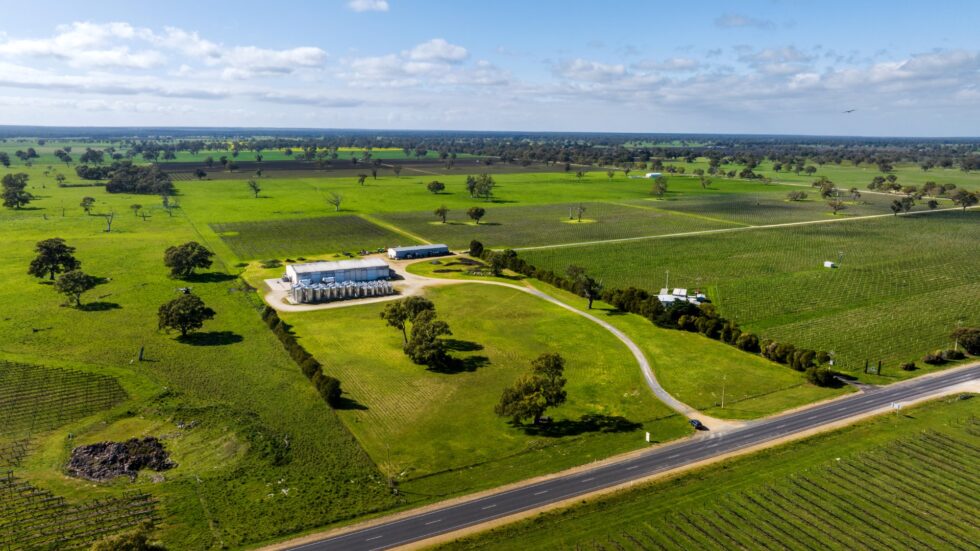
Infrastructure quality significantly impacts operational efficiency and near-term capital requirements. Essential vineyard infrastructure includes trellis systems, irrigation installation, frost protection systems where needed, equipment storage, fruit receival facilities, and access roads. Premium vineyard for sale properties typically feature well-maintained modern infrastructure reducing immediate capital needs. Properties requiring infrastructure upgrades demand realistic assessment of improvement costs and their impact on overall investment returns.
Water security fundamentally determines vineyard viability in most Australian wine regions. Vineyards require reliable irrigation particularly during critical periods of vine development and fruit ripening. Water availability through secure allocations, reliable bore systems, or adequate dam storage directly impacts both operational capability and property values. Understanding water rights, extraction licenses, and infrastructure capacity proves essential during vineyard assessment.
Vineyard Business Models and Operational Strategies
Different vineyard business models create distinctive risk-return profiles affecting investment suitability for various buyer types. Understanding these operational pathways helps match vineyard for sale opportunities with buyer objectives and capabilities. Grape growing as a standalone business involves selling fruit to wineries under contract or on the spot market. This model emphasizes production efficiency and fruit quality without winemaking or marketing activities. Returns depend on grape contracts, vintage conditions, and market demand, with lower capital requirements than integrated wine operations but exposure to grape price volatility.
Estate winery operations combine grape growing with winemaking and brand development under single ownership. This integrated model captures additional value through wine production and direct marketing but requires substantially greater capital investment, specialized expertise across multiple disciplines, and longer timeframes to establish market presence. Estate models offer greater control over quality and brand positioning but involve complexity beyond pure grape production.
Contract growing arrangements provide operational predictability through multi-year agreements with established wine producers. These arrangements typically specify grape quality parameters, pricing mechanisms, and volume commitments, reducing market risk compared to spot market sales. Properties with established contracts to reputable wine brands offer attractive risk-adjusted returns for investors prioritizing income stability over operational complexity.
Premium fruit production strategies focus on low-yielding, high-quality grape production commanding premium pricing from quality-focused wineries. This approach requires exceptional viticultural management, appropriate terroir, and established relationships with premium wine producers. While offering superior pricing, premium fruit strategies involve higher production costs and greater quality risk compared to higher-yielding commercial approaches.
Tourism integration creates additional revenue opportunities for appropriately located vineyards. Cellar door sales, tasting experiences, events, and accommodation can complement wine production while building brand awareness and customer relationships. Properties with tourism potential require suitable zoning, quality facilities, and proximity to established wine tourism routes. This diversification strategy suits lifestyle-oriented buyers seeking multiple revenue streams.
Financial Modeling and Valuation Considerations for Vineyard Properties
Vineyard valuation requires specialized approaches accounting for long development timelines, vintage variability, and the relationship between capital investment and productive capacity. Traditional agricultural valuation methods must adapt to viticulture’s unique characteristics including substantial establishment costs, extended development periods before full production, and the importance of qualitative factors like terroir and brand positioning beyond simple productive capacity.
Establishment costs for new vineyards involve significant capital investment typically requiring several years before material income generation. Land preparation, vine procurement, trellis installation, irrigation infrastructure, and establishment maintenance create substantial upfront costs. Development properties requiring vineyard planting demand careful financial modeling accounting for capital requirements, development timelines, and delayed income realization. Buyers pursuing development opportunities need patient capital and realistic understanding of timeframes involved.
Productive vineyard cash flows demonstrate distinctive patterns including vintage-to-vintage variability, seasonal working capital cycles, and the relationship between yield and quality affecting revenue realization. Higher yields generally reduce fruit quality and pricing, while lower yields increase quality potential but reduce volume. Optimal yield levels balance production volume with quality objectives and market positioning. Financial modeling must incorporate realistic yield assumptions, achievable fruit pricing based on quality and market access, and comprehensive operating cost structures.
Comparable transaction analysis for vineyard properties requires careful assessment of property characteristics including region, varieties planted, vine age, infrastructure quality, water security, and commercial arrangements. Recent vineyard for sale transactions provide market benchmarks, though each property’s unique characteristics necessitate careful adjustment for differences. Premium vineyards in established regions command substantial multiples over bare land values, reflecting embedded capital, production capability, and regional positioning.
Income capitalization approaches consider sustainable cash flows from vineyard operations, applying appropriate capitalization rates reflecting risk profiles and market conditions. Vineyard investments typically demonstrate moderate to higher risk profiles than other agricultural assets due to specialty crop risk, market variability, and capital intensity. Capitalization rates must reflect these risk characteristics while recognizing vineyard properties often appreciate with regional reputation development and established infrastructure value.
Due Diligence Requirements for Vineyard Acquisitions
Comprehensive due diligence proves particularly critical for vineyard for sale opportunities given the technical complexity, substantial capital embedded in improvements, and long-term operational commitment involved. Viticultural assessment by experienced consultants examines vine health, varietal identification, clone verification, disease presence, and management practices. This technical review reveals current vineyard condition and identifies any issues requiring remediation following acquisition.
Soil and terrain analysis provides fundamental insights into site capability and quality potential. Detailed soil mapping reveals variation across vineyard blocks affecting vine performance and management requirements. Drainage assessment identifies any waterlogging risks affecting vine health. Slope and aspect analysis confirms site suitability for quality viticulture. Professional viticultural consultants interpret these factors and their implications for production potential and quality outcomes.
Water rights verification ensures buyers acquire necessary irrigation capacity for viable vineyard operations. Reviewing water licenses, allocation security, extraction history, and infrastructure condition confirms adequate water availability. In regions with water trading, understanding allocation values and market liquidity helps assess embedded water value. Buyers must secure sufficient water rights for intended operations, whether through allocations attached to property or planned water purchases.
Production history review examines yield data, fruit quality assessments, pricing achieved, and winery relationships. Multiple years of production records reveal site performance patterns and commercial viability. Quality assessments from purchasing wineries indicate fruit quality levels and their evolution over time. Understanding historical returns informs realistic forward projections and validates asking prices relative to income-generating capability.
Compliance assessment examines environmental obligations, planning permissions, building approvals, and biosecurity requirements. Vineyard properties face various regulatory requirements including native vegetation protection, water quality management, and pesticide application restrictions. Understanding compliance obligations and any historical issues prevents unexpected liabilities following acquisition. Confirming current operations meet regulatory requirements avoids remediation costs or operational restrictions.
How Agribusiness Horizons Facilitates Vineyard Acquisitions
At Agribusiness Horizons, we provide specialized support for buyers seeking vineyard for sale opportunities across Australia’s premium wine regions. Our team combines agricultural expertise with specific viticultural knowledge, understanding both the farming fundamentals determining productive capacity and the commercial considerations affecting wine market positioning. We maintain active networks throughout Australia’s wine regions, providing early awareness of vineyard opportunities including off-market properties that transact quietly through trusted advisor relationships.
Our vineyard identification services leverage relationships with wine producers, grape growers, financial institutions, and industry participants across major wine regions. Many premium vineyard properties never reach public marketing, instead transacting through confidential processes among established networks. Our relationships provide clients access to these opportunities before broader market awareness, often resulting in more favorable acquisition terms and reduced competitive pressure.
We coordinate comprehensive viticultural assessment through experienced consultants who evaluate terroir, vine health, varietal suitability, and production potential. Our assessment process combines detailed site analysis with commercial evaluation of market positioning, winery relationships, and revenue potential. This integrated approach ensures buyers understand both technical capabilities and commercial viability before commitment.
Our valuation expertise incorporates specialized approaches appropriate for vineyard properties, combining comparable transaction analysis with detailed financial modeling specific to viticultural operations. We understand the revenue potential and cost structures of different vineyard business models across various regions, enabling realistic assessment of investment returns under diverse scenarios. Our financial analysis accounts for viticulture’s distinctive characteristics including establishment timelines, vintage variability, and the relationship between yield and quality.
Our negotiation approach recognizes the emotional dimensions often accompanying vineyard sales, with many properties representing multi-generational family operations or lifestyle investments beyond simple commercial holdings. We balance commercial discipline with sensitivity to these factors, facilitating agreements satisfying all parties while securing favorable terms for buyers. Our transaction coordination ensures smooth progression through due diligence, contract preparation, and settlement.
Following acquisition, we provide transition support ensuring operational continuity and knowledge transfer. This includes facilitating handover from departing owners, coordinating with viticultural contractors and service providers, and connecting buyers with winemaking facilities or grape purchasers as needed. Our post-acquisition support protects investment value during the critical transition period.
Emerging Trends in Vineyard Property Investment
Sustainability considerations increasingly influence vineyard values and market positioning. Properties with documented environmental stewardship, organic or biodynamic certification, and renewable energy infrastructure attract premium buyer interest. Wine consumers demonstrate growing preference for sustainably produced wines, creating commercial advantages for certified operations. Forward-thinking investors recognize sustainability credentials enhance both current market positioning and long-term value resilience.
Climate change adaptation drives evolving regional dynamics and varietal selection decisions. Some established warm-climate regions face increasing heat stress challenges, while cooler regions gain suitability for varieties previously requiring warmer conditions. Understanding these shifting dynamics helps identify regions with favorable long-term trajectories. Properties with characteristics enabling climate adaptation including elevation, aspect flexibility, or water security demonstrate enhanced resilience.
Premium sparkling wine production continues expanding, particularly in cool-climate regions including Tasmania and elevated mainland sites. This sector commands strong pricing and demonstrates resilient demand across economic cycles. Vineyards suited to premium sparkling production with appropriate varieties, established quality records, and connections to sparkling producers attract strong buyer interest.
Natural wine movement and minimal intervention winemaking create opportunities for vineyards managed using low-input approaches. While niche, this sector demonstrates enthusiastic consumer followings and premium pricing potential for appropriately positioned products. Vineyards with established organic or biodynamic management and suitable terroir for natural wine production may command premiums from buyers targeting this market segment.
Direct-to-consumer wine marketing expansion enables smaller vineyard operations to capture greater value through relationship-building and premium positioning. Properties with tourism potential, suitable facilities for cellar door operations, and proximity to established wine tourism routes benefit from this trend. The ability to market wines directly reduces dependence on wholesale channels and enables premium pricing through experiential marketing.
Comparison of Major Australian Wine Regions
Wine RegionClimate CharacteristicsSignature VarietiesTypical Property ProfileBarossa ValleyWarm, MediterraneanShiraz, grenache, old-vine specialtiesEstablished estates, heritage vineyards, premium pricingMargaret RiverMediterranean, maritime influenceCabernet sauvignon, chardonnayQuality-focused properties, tourism potentialYarra ValleyCool to moderatePinot noir, chardonnaySmaller boutique holdings, strong tourismHunter ValleyWarm, humidSemillon, shirazEstablished operations, tourism infrastructureTasmaniaCool, maritimePinot noir, chardonnay, sparklingLimited availability, premium positioningMcLaren ValeMediterranean, moderateShiraz, grenache, Mediterranean varietiesDiverse property types, established regionAdelaide HillsCool, elevatedSauvignon blanc, chardonnay, pinot noirBoutique focus, proximity to Adelaide
This regional comparison illustrates the diversity within vineyard for sale opportunities, demonstrating how different wine regions align with various investment strategies and viticultural objectives.
Practical Steps for Beginning Your Vineyard Property Search
Commencing your search for a vineyard for sale begins with clarifying objectives including desired involvement level, target investment size, regional preferences, and risk tolerance. Vineyard investments suit different buyer profiles from hands-on operators seeking active involvement to passive investors prioritizing established income with professional management. Clear objectives guide property selection and operational planning.
Research Australian wine regions to identify areas aligning with your goals and capabilities. Different regions suit different buyer profiles based on climate, market positioning, operational complexity, and capital requirements. Understanding regional characteristics, market access, and competitive dynamics helps focus search efforts on areas offering optimal fit with your objectives.
Develop realistic understanding of viticultural management requirements and expertise needed for successful operations. Viticulture demands specialized knowledge spanning plant biology, pest and disease management, irrigation scheduling, and quality-focused production practices. Buyers should honestly assess their capabilities and willingness to engage experienced viticultural contractors or managers as needed.
Engage specialist advisors including viticultural consultants, wine industry accountants, and rural property lawyers experienced with vineyard transactions. Building your advisory team before commencing property search ensures you can assess opportunities effectively and move decisively when suitable vineyard for sale properties arise. Specialized expertise proves essential given viticulture’s technical complexity.
Visit wine regions and existing vineyard operations to develop firsthand understanding of viticultural practices, regional characteristics, and operational realities. Direct observation provides insights complementing formal analysis and helps develop informed preferences. Attending wine industry events and engaging with regional viticultural associations builds networks valuable throughout your ownership journey.
Establish financing relationships with lenders understanding vineyard property values and viticultural economics. Some agricultural lenders maintain specialized viticulture lending programs recognizing sector-specific characteristics. Pre-approval demonstrates credibility during negotiations and enables confident decision-making when opportunities arise. Understanding borrowing capacity informs realistic property search parameters.
Conclusion: Pursuing Your Vineyard Property Vision
The opportunity to acquire a vineyard for sale represents one of agriculture’s most rewarding investment pathways, combining productive farming operations with brand-building potential, lifestyle appeal, and participation in the sophisticated world of wine production. Australian wine regions offer diverse opportunities from established estates with proven performance to development properties enabling new vineyard creation aligned with your specific vision. Success in vineyard ownership demands specialized knowledge, patient capital, and commitment to the long-term perspective inherent in viticulture.
Vineyard property investment differs fundamentally from other agricultural categories through its technical complexity, substantial capital intensity, and the importance of qualitative factors including terroir, regional positioning, and market relationships. These distinctive characteristics require specialized expertise throughout the acquisition process, from initial property identification through comprehensive due diligence to successful operational transition. The long-term commitment involved in viticulture makes thorough assessment before acquisition particularly critical.
At Agribusiness Horizons, we bring comprehensive capabilities supporting vineyard acquisition journeys across Australia’s premier wine regions. Our team combines agricultural expertise with specific viticultural knowledge, understanding both the technical fundamentals determining productive capacity and the commercial considerations affecting market positioning and long-term value. Whether you seek established producing vineyards, development opportunities, or premium estate properties, we provide specialized guidance necessary for confident decision-making.
As you consider vineyard property investment, reflect on these important questions: How does vineyard ownership align with your broader lifestyle objectives and investment strategy? What unique expertise, resources, or market access can you bring to enhance vineyard performance and wine market positioning? How will you balance the competing objectives of yield, quality, and profitability in your viticultural operations?
These questions highlight the multifaceted considerations distinguishing successful vineyard investment from simple property acquisition. Ready to explore vineyard for sale opportunities with specialized guidance? Contact Agribusiness Horizons today for a confidential conversation about your vineyard property objectives.
Reach out through our contact page or speak directly with Rawdon Briggs at +61 428 651 144 or [email protected]. Let us help you navigate Australia’s vineyard property market and identify opportunities delivering both lifestyle satisfaction and strong investment returns. Our specialized expertise in agricultural property transactions combined with specific viticultural knowledge positions us to guide you confidently through every stage of your vineyard acquisition journey.