Understanding Cattle Stations Australia: Your Guide to Pastoral Investment Opportunities
Introduction
Have you ever wondered what it takes to manage thousands of hectares of Australian pastoral land? Cattle stations australia represent some of the most significant agricultural investments in the Southern Hemisphere, offering unique opportunities for those looking to enter or expand within the pastoral industry. These expansive properties form the backbone of Australia’s beef production sector and continue to attract interest from both domestic and international investors seeking tangible agricultural assets.
At Agribusiness Horizons, we specialize in facilitating transactions involving high-value pastoral properties across Australia. Our team brings deep industry knowledge and extensive experience to every engagement, helping buyers and sellers navigate the complexities of these substantial agricultural enterprises. Whether you’re considering acquiring your first pastoral property or expanding an existing portfolio, we provide the expert guidance needed to make informed decisions.
Throughout this article, you’ll gain insights into what makes these properties unique, the key factors that influence their value, and how to approach investment in this specialized sector. We’ll examine regional variations, investment considerations, and the future outlook for pastoral operations in Australia.
The Evolution of Australian Pastoral Enterprise
The history of pastoral operations in Australia stretches back to the early colonial period, when the vast interior regions were first opened for agricultural development. These properties evolved from modest beginnings into the large-scale commercial enterprises we see today. The pastoral industry has weathered numerous challenges over generations, including variable climatic conditions, market fluctuations, and changing land management practices.
Modern pastoral properties bear little resemblance to their historical counterparts. Today’s operations integrate advanced technology, improved genetics, and sophisticated management systems to optimize productivity and profitability. The sector has adapted to contemporary market demands while maintaining its essential role in Australia’s agricultural economy.
Recent years have seen renewed interest in these properties as investors recognize their potential for both production income and capital appreciation. The combination of Australia’s stable political environment, established export markets, and growing global protein demand has positioned pastoral enterprises as attractive long-term investments. Additionally, the increasing focus on environmental stewardship and sustainable land management has added new dimensions to property valuation and operational planning.
Understanding the Cattle Stations Australia Market Landscape
The market for cattle stations australia encompasses a diverse range of properties, each with distinct characteristics and investment profiles. These operations vary considerably in size, productive capacity, and geographic location. Understanding these variations is crucial for anyone considering involvement in the pastoral sector.
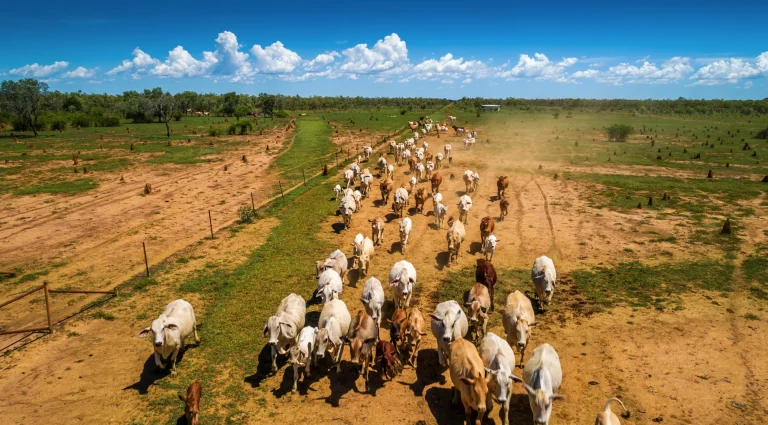
Northern regions typically feature properties that operate under pastoral lease arrangements rather than freehold title. These extensive rangeland operations manage large numbers of cattle across vast areas, with productivity heavily influenced by seasonal rainfall patterns. The predominant cattle breeds in these regions are specifically adapted to harsh conditions and extensive management systems.
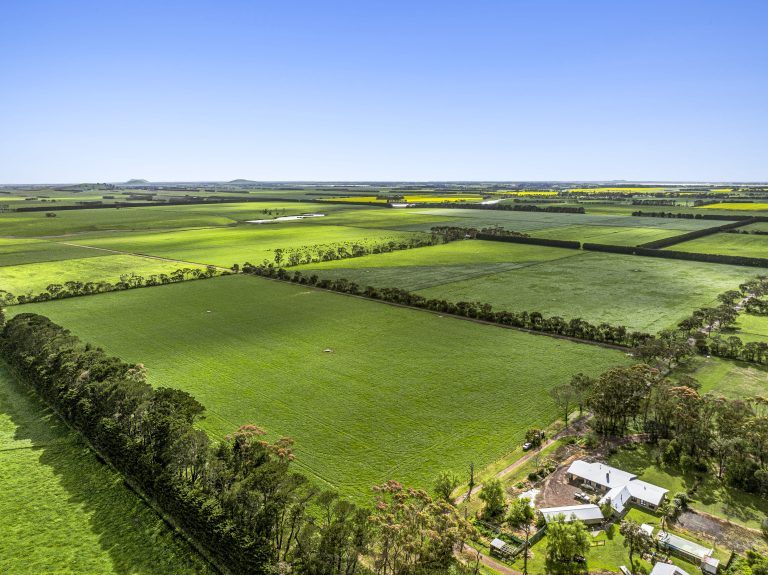
Southern and eastern regions generally offer more intensive grazing operations on smaller landholdings with higher rainfall reliability. These Australian cattle properties often support improved pasture systems and may incorporate supplementary feeding programs. The infrastructure on these properties tends to be more developed, reflecting the higher per-hectare productivity potential.
The central regions present a middle ground, with properties that combine elements of both extensive and semi-intensive management. Water security, either through natural sources or developed infrastructure, plays a critical role in determining carrying capacity and operational viability across all regions.
Key Considerations When Evaluating Pastoral Properties
When assessing potential investments in pastoral stations in Australia, several critical factors require careful evaluation:
- Water Resources and Infrastructure: Reliable water access determines carrying capacity and operational flexibility. Evaluate bore quality, dam storage capacity, and distribution systems across the property. Consider the costs associated with maintaining and upgrading water infrastructure over time.
- Land Quality and Carrying Capacity: Soil types, pasture species, and seasonal growth patterns directly impact stocking rates and productivity. Professional agronomic assessment helps establish realistic production expectations and identify opportunities for improvement.
- Location and Market Access: Proximity to processing facilities, stock routes, and major markets influences transport costs and operational efficiency. Properties closer to infrastructure typically command premium valuations but may offer operational advantages that justify the investment.
- Climate and Weather Patterns: Historical rainfall data and climate trends provide insight into production reliability and risk exposure. Understanding seasonal variability helps inform management decisions and financial planning.
- Regulatory Environment: Pastoral lease conditions, environmental regulations, and local government requirements vary by jurisdiction. Ensure complete understanding of all obligations and restrictions before committing to a purchase.
The due diligence process for these substantial assets requires specialist knowledge and thorough investigation. Working with experienced advisors who understand the nuances of pastoral property transactions can help identify both opportunities and potential challenges early in the evaluation process.
Investment Benefits of Australian Beef Cattle Operations
Australian beef cattle operations offer several compelling advantages for investors seeking agricultural exposure. The sector benefits from strong international reputation for quality production, well-established export markets, and favorable production conditions across many regions.
These properties provide tangible asset value with productive income potential. Unlike many financial investments, pastoral land offers intrinsic value independent of market fluctuations. The combination of land appreciation and operational income can deliver attractive total returns over medium to long-term holding periods.
Portfolio diversification represents another key benefit. Agricultural assets typically demonstrate low correlation with traditional equity and bond markets, providing risk mitigation within broader investment portfolios. Large-scale cattle enterprises also offer inflation hedging characteristics, as both land values and beef prices tend to maintain purchasing power over time.
The Australian pastoral industry continues to evolve, with increasing emphasis on sustainability, animal welfare, and production efficiency. Properties that embrace these trends position themselves advantageously for future market opportunities. Environmental stewardship programs, carbon sequestration initiatives, and biodiversity conservation can create additional revenue streams while enhancing long-term asset value.
For family offices and institutional investors, these properties offer scale that aligns with substantial capital deployment requirements. The professional management structures available for large pastoral enterprises allow for passive investment approaches while maintaining operational oversight.
Regional Analysis of Australian Grazing Properties
Queensland dominates the Australian pastoral landscape, hosting numerous extensive properties across its northern and western regions. The state’s diverse climatic zones support various production systems, from tropical grasslands in the far north to semi-arid rangelands in the west. Queensland properties often feature large scale operations that leverage the state’s significant land area and established cattle industry infrastructure.
Northern Territory pastoral operations typically involve some of the most extensive landholdings in Australia. These properties operate predominantly under pastoral lease tenure and support breeding operations that supply southern fattening regions. The Territory’s unique regulatory environment and land tenure arrangements require specialized understanding when conducting transactions.
Western Australia’s pastoral zone encompasses vast areas of rangeland supporting extensive grazing systems. Properties in this region often face challenges related to remoteness and infrastructure limitations but can offer value opportunities for investors willing to undertake development programs. The state’s expanding live export trade provides additional market channels for pastoral producers.
New South Wales and Victoria host more intensive grazing operations, particularly in high-rainfall coastal and tablelands regions. These Australian grazing properties generally operate on freehold title and support higher stocking densities with improved pasture systems. The proximity to major population centers and processing facilities can provide operational advantages and market access.
South Australia’s pastoral zone features unique landscapes and production systems adapted to variable rainfall. Properties in this region often combine cattle operations with other agricultural activities, creating diversified income streams and risk management benefits.
Comparison of Property Types
| Property Characteristic | Northern Extensive | Southern Intensive | Semi-Intensive Central |
|---|---|---|---|
| Tenure Type | Predominantly pastoral lease | Mainly freehold title | Mixed tenure arrangements |
| Management System | Extensive rangeland grazing | Intensive improved pastures | Semi-intensive native and improved |
| Water Infrastructure | Bore-dependent systems | Dams and reliable rainfall | Combination water sources |
| Stocking Approach | Low density breeding focus | Higher density finishing systems | Flexible breeding and trading |
| Infrastructure Density | Basic essential facilities | Well-developed improvements | Moderate development level |
| Market Position | Value per hectare lower | Premium per hectare pricing | Mid-range market positioning |
This comparison illustrates the diversity within the cattle stations australia market. Each property type presents distinct advantages and challenges, requiring tailored evaluation approaches and management strategies.
How Agribusiness Horizons Supports Pastoral Property Transactions
At Agribusiness Horizons, we bring specialized expertise to every aspect of pastoral property transactions. Our comprehensive understanding of Australian cattle properties enables us to provide clients with accurate market intelligence, detailed valuation and financial analysis, and strategic transaction support.
Our approach to facilitating pastoral property sales combines precision marketing with extensive buyer networks. We develop bespoke marketing campaigns that highlight each property’s unique attributes and productive potential. Through professional documentation, comprehensive data packages, and targeted outreach, we connect sellers with qualified buyers who appreciate the value proposition.
For buyers, we provide detailed due diligence support that examines every aspect of potential acquisitions. Our team coordinates agronomic assessments, infrastructure evaluations, and financial modeling to provide complete transparency. We help buyers understand not just what they’re purchasing, but the operational requirements and development opportunities associated with each property.
Our water rights and natural capital advisory services address the increasingly important environmental assets associated with pastoral operations. We assist clients in optimizing water entitlements, exploring carbon farming opportunities, and implementing biodiversity programs that enhance both environmental outcomes and financial returns.
The end-to-end support we provide extends beyond transaction completion. We coordinate transition planning, facilitate management handovers, and assist with reinvestment strategies for sellers. This comprehensive approach ensures smooth ownership transitions and positions properties for continued success under new stewardship.
Contact our team to discuss how we can assist with your pastoral property objectives, whether buying, selling, or optimizing existing operations.
Strategic Approaches for Pastoral Investment Success
Successful involvement in large-scale cattle enterprises requires thoughtful planning and strategic execution. Consider these approaches when developing your pastoral investment strategy:
- Thorough Market Research: Understand regional market dynamics, recent transaction activity, and pricing trends before committing to specific opportunities. Market knowledge provides negotiating leverage and helps identify value propositions.
- Professional Advisory Engagement: Assemble a team of specialists including agronomists, veterinarians, financial analysts, and legal advisors. Their combined expertise reduces risk and improves decision quality throughout the transaction process.
- Comprehensive Due Diligence: Investigate all aspects of potential acquisitions, from soil testing and carrying capacity assessments to infrastructure condition and regulatory compliance. Undiscovered issues can significantly impact returns.
- Long-Term Perspective: Approach pastoral investment with appropriate time horizons. These assets typically reward patient capital that allows for development implementation and market cycle navigation.
- Operational Planning: Develop clear management plans before acquisition, including staffing requirements, infrastructure priorities, and production targets. Well-conceived operational strategies position properties for immediate productivity post-purchase.
- Financial Structure Optimization: Work with financial advisors to structure acquisitions efficiently from both tax and capital perspective. Appropriate financing arrangements can enhance returns while managing cash flow requirements.
Looking toward the future, several trends appear likely to shape the pastoral sector. Climate adaptation strategies will become increasingly important as properties seek to maintain productivity amid changing weather patterns. Technology adoption will continue advancing, with remote monitoring, data analytics, and precision agriculture techniques becoming standard practice across well-managed operations.
The growing emphasis on sustainability and ethical production creates opportunities for properties that demonstrate environmental stewardship and animal welfare commitment. These attributes increasingly influence both market access and consumer preferences, potentially commanding premium positioning for compliant producers.
Conclusion
Cattle stations australia represent substantial investment opportunities within the agricultural sector, offering combination of productive income and capital appreciation potential. These properties require specialized knowledge, thorough evaluation, and strategic management to maximize returns. Understanding regional variations, infrastructure requirements, and market dynamics forms the foundation for successful pastoral investment.
The pastoral sector continues evolving to meet contemporary market demands while maintaining its essential role in Australian agriculture. Properties that embrace innovation, sustainability, and professional management position themselves advantageously for long-term success. Whether you’re considering your first pastoral acquisition or expanding an existing portfolio, the expertise required for these transactions cannot be overstated.
As you contemplate involvement in this sector, consider these questions: What unique opportunities might extensive Australian pastoral properties offer that other agricultural investments cannot provide? How might changing global protein demand patterns influence the long-term value proposition of beef production assets? What role could environmental stewardship and natural capital play in enhancing pastoral property returns over coming decades?
We invite you to connect with Agribusiness Horizons to discuss your pastoral property objectives. Our team brings the specialized knowledge, market intelligence, and transaction expertise needed to achieve successful outcomes in this distinctive sector. Whether buying, selling, or optimizing existing operations, we provide the comprehensive support that complex pastoral transactions demand. Contact us today to begin your pastoral property journey with confidence.