The Complete Guide to Buy Farmland Australia: Strategic Insights for Agricultural Investors
Australia’s agricultural sector continues to attract investors seeking tangible assets with long-term value. If you’re looking to buy farmland Australia offers, understanding the market dynamics and professional guidance available becomes essential for success. At Agribusiness Horizons, we specialize in facilitating high-value farmland transactions across Australia, providing comprehensive advisory services that transform complex agricultural property acquisitions into streamlined, strategic investments. Whether you’re an institutional investor, family office, or expanding agricultural operator, our expertise helps you navigate the unique challenges of Australian rural property markets. Contact us today to discuss your farmland acquisition goals with our specialized team.
This guide explores everything you need to know about acquiring productive agricultural land in Australia, from understanding regional opportunities to managing transaction risks and optimizing your investment strategy.
Understanding Australia’s Agricultural Property Landscape
Australia’s agricultural sector has evolved considerably over recent decades, with consolidation trends creating opportunities for sophisticated investors. The country’s diverse climatic zones support various farming enterprises, from tropical cattle stations in the north to intensive horticulture in temperate regions. Foreign investment regulations introduced in recent years have reshaped market dynamics, while climate adaptation strategies increasingly influence property valuations.
The Australian farmland market reflects a mature agricultural economy where water security, soil quality, and infrastructure access determine property value. Traditional family farming operations now coexist with corporate agricultural ventures and institutional portfolios. This evolution creates opportunities for investors who understand both agronomic fundamentals and financial performance metrics. When you decide to buy farmland Australia requires careful assessment of production capabilities, environmental sustainability, and long-term value drivers that extend beyond simple land transactions.
Regional Opportunities Across Australian Agricultural Zones
Premium Horticultural Regions and Intensive Farming Areas
Australia’s high-rainfall zones and irrigation districts support premium horticultural operations that command strong market interest. These regions produce specialty crops, viticulture, and intensive livestock operations with consistent revenue streams. Properties in these areas typically feature established infrastructure, reliable water access, and proximity to processing facilities and export channels.
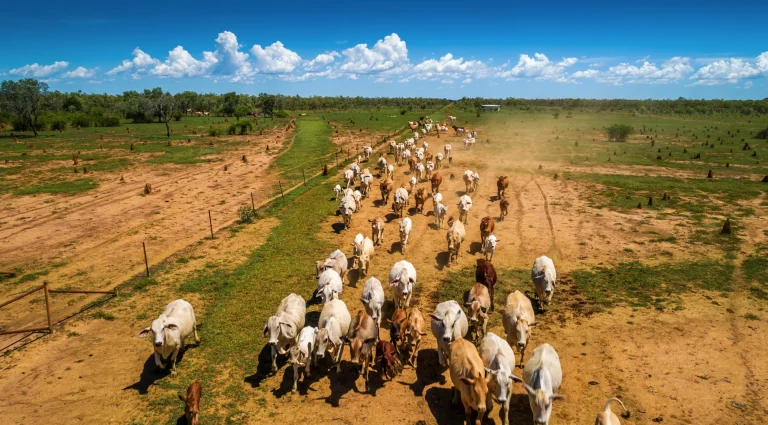
Queensland’s diverse agricultural landscapes offer substantial investment potential across multiple sectors. The state’s subtropical and tropical climates support sugarcane production, cattle operations, and emerging specialty crops. Northern regions present opportunities for large-scale pastoral enterprises, while southern areas accommodate intensive horticultural ventures. Water availability and infrastructure development continue shaping regional property values throughout Queensland’s agricultural zones.
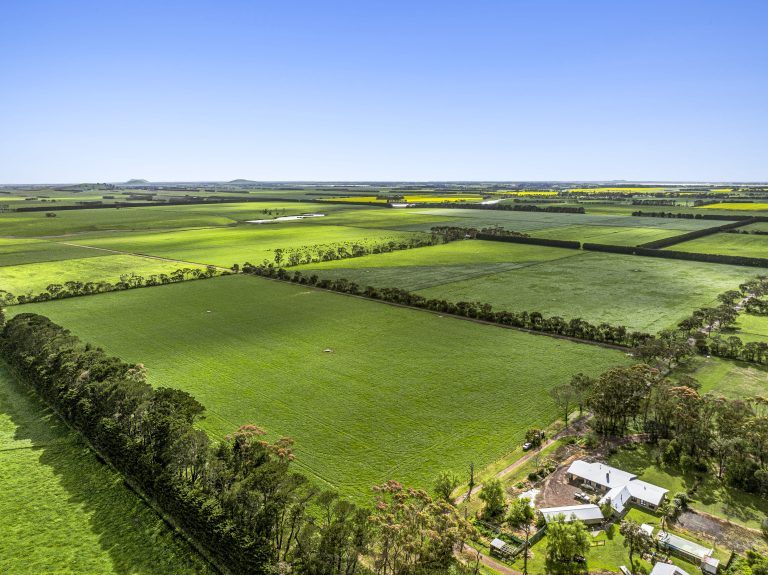
Victoria’s high-rainfall districts maintain their reputation for premium dairy and intensive horticultural operations. These properties benefit from reliable rainfall patterns, fertile soils, and well-developed agricultural support systems. The state’s agricultural economy demonstrates resilience through diversified production systems and strong domestic and export market connections. Properties here often represent turnkey operations with established management systems and proven production records.
Broadacre Farming and Pastoral Opportunities
New South Wales presents diverse agricultural opportunities spanning coastal high-rainfall zones to inland broadacre cropping regions. The state’s varied topography and climate zones support everything from specialty crops to extensive grazing operations. Water rights and irrigation infrastructure significantly influence property values, particularly in regulated river systems. Strategic locations near major population centers and export facilities enhance operational efficiency and market access.
Western Australia’s agricultural zones extend across vast areas supporting grain production and livestock operations. The state’s Mediterranean climate regions produce significant portions of Australia’s grain exports. Properties here typically operate at commercial scale, with modern machinery and management systems optimizing productivity across extensive land holdings. Transportation infrastructure and port access remain critical considerations for properties in these regions.
South Australia’s agricultural regions combine irrigation districts with dryland farming areas, supporting diverse production systems. The state’s wine regions command premium valuations, while broadacre cropping areas offer scale opportunities. Water trading markets and climate variability management strategies increasingly influence investment decisions in South Australian agricultural properties.
Financial Considerations When You Buy Farmland Australia Offers
Valuation Methods and Investment Analysis
Professional agricultural property valuation requires specialized expertise combining comparable sales analysis with income-based assessment methods. Unlike residential real estate, farmland valuations incorporate agronomic potential, water entitlements, and operational infrastructure. At Agribusiness Horizons, our valuation framework encompasses discounted cash flow modeling, EBITDAR yield estimates, and commodity price sensitivity testing.
Environmental, social, and governance factors increasingly influence agricultural property valuations. Properties demonstrating sustainable farming practices, carbon sequestration potential, and biodiversity conservation may command premium pricing. Our in-house sustainability analyst helps clients quantify these value drivers, ensuring comprehensive property assessment that reflects both current performance and future potential.
Climate resilience considerations now feature prominently in farmland valuations. Properties with diverse water sources, soil conservation systems, and climate-adapted production strategies typically demonstrate superior long-term value retention. Rainfall variability modeling and extreme weather impact assessment help identify properties positioned for sustained productivity despite changing climatic conditions.
Financing Structures and Capital Planning
Agricultural property acquisitions typically require substantial capital commitments with financing structures differing from other real estate sectors. Rural lending institutions understand seasonal cash flows and agricultural production cycles, structuring debt facilities accordingly. Interest rate considerations, loan-to-value ratios, and security arrangements all require careful negotiation with experienced rural finance providers.
Many investors structure farmland acquisitions through corporate entities or trust arrangements for tax optimization and succession planning purposes. Professional advisors help navigate complex ownership structures while maintaining operational flexibility. Capital gains tax considerations, depreciation strategies, and income smoothing mechanisms all influence optimal ownership arrangements for agricultural properties.
Portfolio diversification strategies often incorporate farmland assets for their inflation hedging characteristics and tangible asset security. Institutional investors increasingly recognize agricultural property’s role in balanced investment portfolios, particularly given the sector’s relatively low correlation with traditional equity and bond markets. Strategic acquisition timing and regional diversification enhance portfolio performance across agricultural investment holdings.
Due Diligence Essentials for Australian Farmland Acquisitions
Legal and Regulatory Compliance
Agricultural property transactions involve specialized legal considerations beyond typical real estate purchases. Title searches must identify all encumbrances, easements, and access rights affecting property use. Water entitlements require separate verification through state regulatory authorities, with allocations and licenses confirmed prior to settlement. Foreign investment approvals from the Foreign Investment Review Board may be necessary depending on purchaser nationality and property value.
Environmental compliance assessment identifies contamination risks, endangered species obligations, and vegetation management requirements. State and federal regulations govern land clearing, water use, and chemical applications. Properties with environmental remediation obligations or pending compliance issues require detailed assessment before acquisition proceeds. Our team coordinates comprehensive environmental due diligence ensuring full regulatory compliance understanding.
Native title and indigenous land use agreements may affect certain Australian farmlands, particularly in remote regions. Due diligence processes must identify existing agreements, registered claims, and negotiation requirements. Legal specialists with indigenous land rights expertise help navigate these complex regulatory frameworks, ensuring acquisition structures respect traditional ownership while protecting purchaser interests.
Operational and Agronomic Assessment
Successful farmland acquisition requires thorough agronomic assessment beyond legal and financial due diligence. Soil testing reveals fertility levels, nutrient deficiencies, and amendment requirements. Historical yield data demonstrates production consistency across seasonal variations. Pest and disease history informs management requirements and potential production risks affecting operational budgets.
Water infrastructure assessment evaluates irrigation systems, pumping equipment, and water storage capacity. Channel lining conditions, pump efficiency ratings, and delivery infrastructure all impact operational costs and production reliability. Properties with modern irrigation systems typically command premium pricing due to water use efficiency and reduced operational expenditure requirements.
Existing infrastructure including machinery sheds, storage facilities, and livestock handling yards requires detailed condition assessment. Deferred maintenance costs can substantially impact acquisition economics if not identified during due diligence. Professional building and pest inspections on all residential and commercial structures help quantify immediate capital requirements post-acquisition.
Strategic Advisory Services for Australian Farmland Investors
Market Timing and Transaction Strategy
Optimal transaction timing significantly influences acquisition outcomes in agricultural property markets. Our market timing advisory uses proprietary models forecasting pricing cycles, buyer liquidity, and investment sentiment trends. Macroeconomic factors including interest rates, commodity prices, and export demand correlations inform strategic timing recommendations for both buyers and sellers.
Regional market dynamics vary considerably across Australian agricultural zones. Understanding local supply and demand fundamentals helps identify undervalued opportunities or optimal selling windows. Our extensive market intelligence network provides insights into off-market opportunities, emerging buyer interest, and regional development trends affecting future property values.
Pre-acquisition positioning strategies help buyers compete effectively in competitive markets. This includes financing pre-approval, ownership structure establishment, and relationship building with key market participants. Well-prepared buyers respond quickly when suitable properties become available, securing premium assets before broader market awareness develops.
Portfolio Development and Diversification
Strategic agricultural portfolio development requires balancing production diversity, geographic distribution, and risk management. Investors often combine broadacre cropping properties with livestock operations or intensive horticulture to smooth revenue streams across seasonal and commodity price variations. Regional diversification reduces climate risk exposure while capitalizing on different growing seasons and market opportunities.
Vertical integration strategies where investors acquire properties along agricultural supply chains can enhance overall portfolio returns. Combining production assets with processing facilities or value-adding operations captures additional margin through integrated operations. These strategies require sophisticated management capabilities but offer substantial competitive advantages in modern agricultural markets.
Succession planning considerations increasingly influence agricultural portfolio structuring. Family offices and multi-generational farming enterprises benefit from professional advice on ownership structures facilitating smooth transitions while minimizing tax implications. Strategic portfolio development incorporates these long-term considerations alongside immediate operational requirements.
Comparison Table: Australian Agricultural Property Types
| Property Type | Primary Production Focus | Infrastructure Requirements | Water Security Considerations | Management Intensity |
|---|---|---|---|---|
| Irrigation Horticulture | High-value specialty crops | Extensive irrigation systems, packing facilities | Critical dependency on water allocations | High – requires specialized expertise |
| Dryland Cropping | Grain and oilseed production | Machinery infrastructure, grain storage | Rainfall dependent, limited irrigation | Moderate – seasonal labor peaks |
| Irrigated Pasture | Dairy, beef finishing | Irrigation systems, livestock facilities | Reliable water access essential | High – daily management required |
| Pastoral Grazing | Extensive livestock production | Basic infrastructure, water points | Natural water sources, strategic bores | Lower – extensive management systems |
| Viticulture | Wine grape production | Trellising, irrigation, winery facilities | Irrigation essential for quality production | High – precise viticultural practices |
This comparison illustrates the diverse opportunities available when you buy farmland Australia provides, each with distinct operational characteristics and investment profiles.
How Agribusiness Horizons Facilitates Successful Farmland Acquisitions
At Agribusiness Horizons, we transform complex agricultural property transactions into streamlined acquisition processes. Our comprehensive approach begins with detailed consultation understanding your investment objectives, risk tolerance, and operational capabilities. We identify suitable properties through our extensive network including off-market opportunities not publicly advertised.
Our transaction coordination services manage every aspect of the acquisition process from initial property identification through to settlement and operational handover. We coordinate with legal teams, financial institutions, and regulatory authorities ensuring efficient transaction progression. Comprehensive due diligence support identifies potential issues early, addressing concerns before they impact transaction timelines or commercial terms.
Expert negotiation services leverage our market knowledge and relationship networks to secure favorable acquisition terms. We understand agricultural property markets across Australia, bringing sophisticated negotiation strategies that protect purchaser interests while maintaining productive vendor relationships. Our goal is delivering successful outcomes where clients acquire premium properties at fair market value with favorable transaction terms.
Post-acquisition support ensures smooth operational transition and sets the foundation for long-term investment success. We coordinate introductions to operational managers, facilitate systems handover, and provide ongoing advisory support as clients establish their Australian agricultural operations. This comprehensive service approach distinguishes our firm from traditional real estate brokers, positioning us as strategic partners in your agricultural investment journey.
Water Rights and Natural Capital Opportunities in Australian Farmland
Australia’s water trading markets create unique value opportunities within agricultural property transactions. Properties with permanent water entitlements command significant premium pricing, particularly in regulated river systems where water security drives production reliability. Understanding water allocation frameworks, trading rules, and long-term availability projections requires specialized expertise we provide through our water rights advisory services.
Carbon farming opportunities increasingly enhance agricultural property values as markets for carbon credits mature. Properties with vegetation management opportunities or soil carbon sequestration potential generate additional revenue streams beyond traditional agricultural production. We assist clients navigating Clean Energy Regulator programs, calculating carbon offset potential, and structuring credit sales to corporate buyers seeking emissions reduction solutions.
Biodiversity conservation initiatives create natural capital value through stewardship arrangements and environmental markets. Properties containing remnant vegetation, threatened species habitat, or connectivity corridors may access conservation payments while maintaining agricultural operations on remaining land. Our natural capital advisory services help clients identify and optimize these emerging value streams, enhancing overall property returns through diversified income sources.
Future Considerations for Australian Farmland Investors
Climate adaptation strategies will increasingly influence Australian farmland values as rainfall patterns shift and extreme weather events become more frequent. Properties demonstrating resilience through diversified water sources, climate-adapted production systems, and robust infrastructure will maintain value better than properties vulnerable to changing conditions. Forward-thinking investors incorporate climate scenario planning into acquisition decisions, positioning portfolios for long-term sustainability.
Technology adoption across Australian agriculture continues accelerating, with precision agriculture systems, automation, and data analytics transforming farm management practices. Properties with modern technology infrastructure or suitable for technology integration may command premium valuations as operational efficiency gains become more significant. Understanding technology adoption trends and infrastructure requirements helps identify properties positioned for productivity improvements through digital agriculture implementation.
Export market developments particularly with Asian trading partners will continue shaping Australian agricultural property demand. Properties producing commodities with strong export growth prospects or located near export infrastructure may benefit from strengthening international demand. Monitoring trade relationships, biosecurity requirements, and market access developments informs strategic acquisition decisions aligned with long-term market trends.
Conclusion: Strategic Farmland Acquisition in Australia
Successfully navigating Australian farmland markets requires specialized expertise, comprehensive market knowledge, and strategic transaction management. When you buy farmland Australia offers exceptional opportunities for investors seeking tangible assets with long-term value appreciation potential and productive income streams. From Queensland’s diverse agricultural zones to Victoria’s premium horticultural regions, understanding regional characteristics and market dynamics ensures informed investment decisions.
Professional advisory services from experienced agricultural property specialists deliver significant value through market intelligence, transaction coordination, and risk management expertise. At Agribusiness Horizons, we combine deep agricultural knowledge with sophisticated financial analysis and transaction management capabilities, providing comprehensive support throughout your farmland acquisition journey.
As you consider agricultural property investment opportunities, several questions deserve careful consideration: How will climate variability affect your target property’s long-term productivity? What natural capital opportunities might enhance returns beyond traditional agricultural production? How does your acquisition strategy align with emerging trends in Australian agriculture including technology adoption and sustainability requirements?
Ready to explore Australian farmland investment opportunities? Contact Agribusiness Horizons today to discuss your acquisition goals with our specialized advisory team. We bring decades of experience facilitating successful agricultural property transactions, helping clients identify, evaluate, and acquire premium farmland across Australia. Our comprehensive approach ensures you benefit from expert guidance throughout every stage of your farmland investment journey.
Primary Contact: Rawdon Briggs
Phone: +61 428 651 144
Email: [email protected]
Website: https://agribusinesshorizons.com