Rural Real Estate WA: Strategic Investment in Western Australia’s Agricultural Property
Introduction
Western Australia’s agricultural landscapes offer exceptional opportunities for investors seeking productive farmland, with rural real estate WA markets spanning from the fertile wheat belt to expansive pastoral stations. The state’s diverse zones support intensive grain production to extensive cattle grazing, creating investment options suited to varied scales and enterprise preferences. Western Australia benefits from reliable export infrastructure, proximity to Asian markets, and established farming systems optimized for the state’s unique climatic conditions.
At Agribusiness Horizons, we bring specialized expertise to rural real estate WA transactions, understanding each region’s distinctive characteristics and considerations influencing property value and operational success. Whether you’re seeking wheat belt cropping country, northern pastoral grazing land, or intensive southwest operations, our comprehensive services support buyers throughout their acquisition journey. This guide explores Western Australia’s agricultural property markets, regional opportunities, and strategic approaches to successfully acquiring rural real estate aligned with your objectives.
Western Australia’s Agricultural Property Landscape
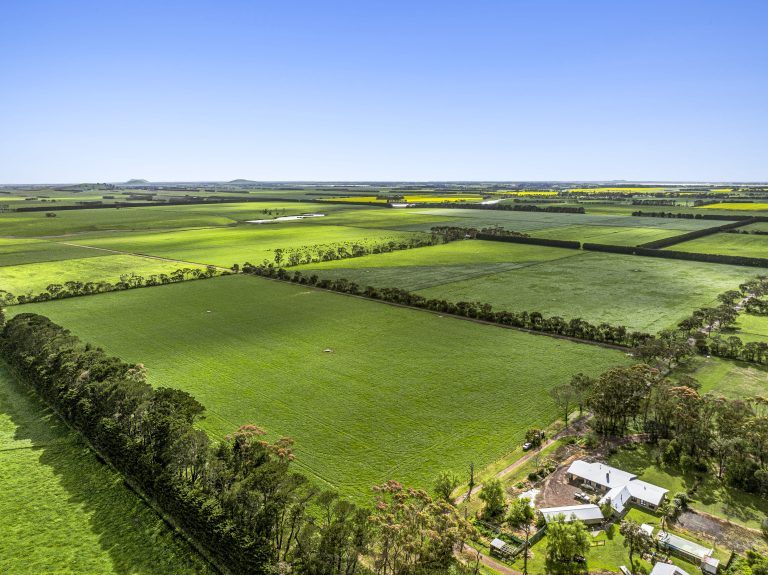
Western Australia’s agricultural footprint extends across vast territories encompassing dramatically different climatic zones, soil types, and production systems. The state’s wheat belt forms one of the world’s most productive grain-growing regions, stretching in an arc from Geraldton through the central agricultural zone to Esperance on the south coast. This extensive cropping country produces substantial wheat, barley, canola, and pulse crops for export markets, with modern farming operations utilizing contemporary technology and precision agriculture techniques to maximize yields while managing input costs effectively.
The southwest agricultural region offers higher rainfall and supports more intensive farming systems including livestock enterprises, mixed cropping operations, and specialized horticultural production. Properties in this zone typically command premium valuations reflecting superior seasonal reliability, multiple enterprise options, and infrastructure accessibility supporting diverse agricultural activities. The region’s proximity to Perth provides logistical advantages for product marketing and access to services, equipment suppliers, and professional advisory support.
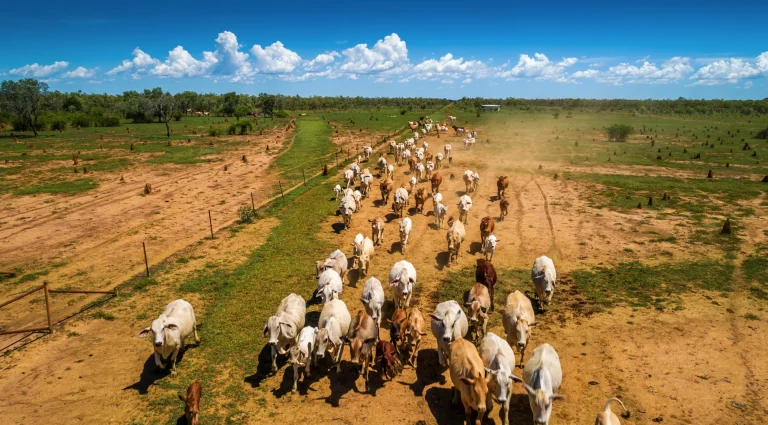
Northern pastoral regions including the Pilbara, Kimberley, and Gascoyne offer extensive grazing opportunities across large-scale properties where beef cattle production dominates. These operations function on impressive scales measured in hundreds of thousands of hectares, requiring specialized management capabilities and substantial working capital to sustain operations across seasonal cycles. Understanding the fundamental differences between intensive southern agricultural systems and extensive northern pastoral operations proves essential when evaluating rural real estate WA opportunities across the state’s diverse production zones.
Wheat Belt Investment Opportunities and Characteristics
Western Australia’s wheat belt represents the state’s agricultural heartland, with properties ranging from family operations to large-scale corporate farms. The Mediterranean climate featuring winter rainfall suits cereal and oilseed production, with rotations incorporating wheat, barley, canola, lupins, and field peas to manage disease and optimize fertility. Successful operations balance agronomic performance with financial management, controlling inputs while achieving competitive yields through systematic management.
Soil types vary from deep sandy loams offering excellent production to heavier clays requiring careful management. Understanding soil characteristics helps buyers evaluate yield expectations and input requirements. Water access typically relies on groundwater, with bore quality varying across aquifers. Infrastructure including machinery sheds, grain storage, and fencing significantly influences operational efficiency.
The wheat belt’s transport infrastructure including rail networks and port facilities provides efficient marketing pathways. Properties offering convenient access to receival sites minimize freight costs and simplify harvest logistics, improving margins. When assessing rural real estate WA opportunities in the wheat belt, comprehensive evaluation of agronomic potential and infrastructure positions buyers for informed decisions.
Southwest Agricultural Region Characteristics
The southwest corner offers Western Australia’s most diverse agricultural opportunities, with higher rainfall supporting mixed farming incorporating cropping and livestock enterprises. Reliable winter precipitation enables productive pasture growth supporting cattle and sheep operations while permitting successful grain and oilseed production across balanced rotations.
Properties in premium southwest locations offer exceptional versatility, allowing operators to adjust enterprise mixes responsive to commodity prices and seasonal conditions. This flexibility provides risk management benefits, enabling managers to capitalize on favorable markets while maintaining productive land use. The region’s soils typically offer superior fertility supporting productive agriculture with appropriate input management.
Livestock enterprises benefit from reliable pasture growth and established markets. Cattle operations range from breeding to intensive finishing, while sheep enterprises focus on prime lamb and wool production. Water security typically proves more reliable than drier zones, with properties featuring farm dams, reliable bores, and in some cases irrigation access. Infrastructure generally reflects the region’s longer agricultural history and higher property values.
Northern Pastoral Properties and Investment Considerations
Western Australia’s northern pastoral regions present different investment propositions, with extensive cattle grazing across vast leasehold territories. These properties function under pastoral lease tenure granting exclusive grazing rights across Crown land, creating specific legal considerations regarding management obligations distinct from freehold agricultural land.
The Kimberley supports breeding operations producing cattle for live export or southern finishing systems. Properties manage challenges including seasonal rainfall variability, distance from markets, and limited infrastructure. Successful operations require specialized expertise, substantial working capital, and patient investment horizons tolerant of commodity cycles.
Pilbara pastoral properties operate in more arid conditions with lower carrying capacities, requiring larger land areas for viable herd sizes. The region’s mineral resources sector creates additional considerations, with some properties hosting mining operations generating supplementary income through access agreements. Gascoyne region properties occupy an intermediate position, offering moderate carrying capacity and diverse enterprise potential including cattle, sheep, and occasionally horticultural activities where water permits.
Due Diligence Requirements for Rural Property Acquisition
Comprehensive due diligence forms the foundation of successful rural real estate WA acquisitions, encompassing agronomic, financial, legal, and operational assessments. Agronomic evaluation should include soil testing, yield performance verification, and assessment of production limitations. Engaging qualified agronomists provides independent property potential assessment and identifies concerns requiring remediation.
Financial analysis must incorporate realistic income projections based on sustainable production, current commodity prices, and comprehensive operational costs. Sensitivity analysis testing various scenarios helps quantify downside risk and ensure financial resilience. Professional modeling by agricultural finance specialists delivers robust projections supporting confident decisions.
Legal due diligence extends beyond title verification to encompass easements, encumbrances, vegetation requirements, and regulatory overlays. For pastoral leases, understanding specific conditions and compliance obligations proves essential. Water entitlement verification requires checking registry records and usage restrictions. Infrastructure assessment evaluates improvement condition and quantifies deferred maintenance requirements. Environmental assessments identify contamination, weed infestations, or habitat considerations.
Financing Strategies for Agricultural Property Investment
Agricultural property financing requires specialized approaches reflecting seasonal cash flows and longer investment horizons. Rural lending providers structure facilities accounting for farming business models, with terms tailored to agricultural characteristics. Equity requirements typically exceed residential standards, with lenders requiring substantial deposits. Demonstrated farming experience significantly influences lending decisions.
Alternative financing structures provide creative solutions including vendor financing, joint venture partnerships, or staged acquisitions. These flexible approaches bridge gaps between available equity and total consideration. Business planning documentation including enterprise budgets, cash flow projections, and risk mitigation strategies strengthens financing applications. Professional advice from rural finance specialists proves invaluable in structuring optimal arrangements.
How Agribusiness Horizons Facilitates Your Property Acquisition
At Agribusiness Horizons, we provide comprehensive support throughout rural real estate WA acquisition processes, combining deep agricultural knowledge with transaction expertise and strategic advisory capabilities. Our services begin with detailed consultation understanding your operational experience, investment objectives, risk tolerance, and enterprise preferences, ensuring we identify properties genuinely aligned with your requirements rather than presenting unsuitable listings. We maintain extensive networks throughout Western Australia’s agricultural community, providing access to both publicly marketed properties and confidential off-market opportunities not broadly advertised.
Our due diligence coordination encompasses all critical assessment dimensions, engaging specialist consultants including agronomists, hydrologists, valuers, and legal advisors as required to deliver thorough property evaluation. We facilitate comprehensive site inspections with expert guidance highlighting features, concerns, and realistic development opportunities based on regional characteristics and operational realities. Our valuation services combine comparable transaction analysis, income capitalization modeling, and asset-based assessment methodologies, delivering defensible valuations supporting confident acquisition decisions and financing applications.
Expert negotiation on your behalf leverages our market intelligence and industry relationships to secure favorable terms extending beyond headline pricing to include settlement structures, inclusions, and contract provisions protecting your interests. We coordinate with legal teams, financial institutions, and regulatory authorities throughout transaction processes, managing documentation flows and milestone tracking ensuring smooth progression toward settlement. Post-acquisition transition support helps new owners establish operational systems, connect with local contractors and service providers, and optimize enterprise performance from commencement.
When exploring rural real estate WA opportunities, professional advisory support from specialists understanding regional characteristics, enterprise economics, and transaction complexities substantially increases acquisition success likelihood. Our commitment to client outcomes means we invest time educating buyers on agricultural realities, challenging unrealistic assumptions, and ensuring you enter transactions with clear understanding of opportunities and obligations. Contact our team at Agribusiness Horizons to discuss your agricultural property objectives and discover how our specialized expertise delivers superior outcomes across all transaction stages.
Regional Comparison of Western Australian Agricultural Zones
| Region | Primary Enterprises | Rainfall Pattern | Soil Characteristics | Market Access | Investment Profile |
|---|---|---|---|---|---|
| Central Wheat Belt | Grain, sheep | Winter-dominant Mediterranean | Sandy loams to clay | Excellent rail and port | Established broadacre |
| Southwest Agricultural | Mixed crop-livestock | Higher winter rainfall | Fertile diverse soils | Strong regional networks | Premium mixed farming |
| Northern Agricultural | Grain, cattle | Lower winter rainfall | Variable sandy soils | Developing infrastructure | Value opportunities |
| Southern Coastal | Grain, sheep, cattle | Reliable winter rainfall | Quality agricultural soils | Good port proximity | Consistent production |
| Kimberley Pastoral | Extensive cattle | Tropical wet-dry | Variable rangeland | Remote from markets | Development potential |
| Pilbara Pastoral | Extensive cattle | Arid low rainfall | Sparse vegetation cover | Limited accessibility | Resource sector exposure |
This comparison illustrates diversity across Western Australian agricultural zones, highlighting how regional characteristics shape enterprise suitability, productivity potential, and investment considerations. Buyers should carefully match regional attributes with their operational capabilities when evaluating opportunities.
Market Dynamics and Current Investment Trends
The rural real estate WA market operates within dynamics shaped by commodity prices, seasonal conditions, and investor sentiment. Transaction activity fluctuates responsive to these variables, with robust commodity markets generating increased buyer interest, while challenging periods see reduced activity and conservative valuations.
International investment interest remains significant, with buyers attracted to established systems and strategic positioning. Foreign investment regulatory frameworks require advance approval for eligible transactions. Institutional capital increasingly recognizes agricultural property as strategic portfolio allocation offering inflation protection and tangible assets. The entry of institutional capital has influenced pricing dynamics for premium assets.
Succession planning within family farms creates ongoing property availability as generational transitions prompt sales. These transactions sometimes offer opportunities for well-capitalized buyers, particularly where vendors prioritize smooth transitions alongside price considerations.
Sustainability and Future Value Considerations
Environmental stewardship increasingly influences rural real estate WA valuations, with buyers recognizing that properties demonstrating responsible land management offer superior long-term value. Soil health initiatives including controlled traffic farming and minimal tillage enhance productivity while reducing input costs. Properties featuring established sustainable practices attract premium buyer interest.
Natural capital opportunities including carbon farming and biodiversity conservation create additional revenue potential. Western Australia’s landscapes offer varied natural capital potential, from carbon sequestration in pastoral rangelands to biodiversity protection in high conservation areas. Water resource sustainability becomes increasingly critical as climate patterns evolve and regulatory frameworks tighten. Properties demonstrating responsible water use and diversified sources offer superior resilience.
Climate adaptation strategies including enterprise diversification and operational flexibility provide competitive advantages as climatic variability intensifies. Forward-thinking buyers prioritize properties offering adaptability over operations locked into inflexible single-enterprise systems.
Conclusion
Western Australia’s diverse agricultural landscape offers exceptional rural real estate WA investment opportunities spanning intensive southern farming systems to extensive northern pastoral operations. The state’s established agricultural sector, reliable export infrastructure, and strategic market positioning create compelling fundamentals supporting long-term property values and operational returns. Successful acquisitions require comprehensive due diligence, realistic financial modeling, and clear understanding of regional characteristics influencing enterprise viability and productivity potential.
As you consider Western Australian agricultural property investment, several questions warrant careful reflection: How do your operational capabilities and experience align with specific regional requirements and enterprise systems? What infrastructure development or productivity improvements might enhance property performance under your management? How will emerging opportunities including natural capital markets and sustainable agriculture certifications factor into your value creation strategy?
At Agribusiness Horizons, we provide comprehensive support for buyers navigating the rural real estate WA market, from initial opportunity identification through post-settlement operational transition. Our specialized expertise in Western Australian agricultural property, extensive regional networks, and commitment to client success position you for achievement in this rewarding investment sector. Contact Rawdon Briggs at +61 428 651 144 or reach out through our website at https://agribusinesshorizons.com/contact/ to discuss your agricultural property acquisition objectives. Let us help you identify, evaluate, and secure the right Western Australian agricultural investment aligned with your strategic goals and operational capabilities.
Meta Description: Explore comprehensive insights on rural real estate WA with expert guidance on wheat belt properties, pastoral stations, regional opportunities, and strategic acquisition approaches for Western Australian agricultural investments.