Rural Real Estate SA: Your Complete Guide to South Australian Agricultural Property Investment
Introduction
South Australia’s rural real estate SA market presents exceptional opportunities for agricultural investors seeking diverse farmland across one of the nation’s most productive and innovative agricultural regions. The state’s varied landscapes support an impressive range of agricultural enterprises, from premium wine regions that command international recognition to extensive grain belts producing world-class cereals and pulses, productive livestock operations, and emerging high-value horticultural developments. South Australia’s agricultural sector benefits from established export infrastructure, sophisticated farming practices, and strategic positioning for Asian markets.
When considering rural real estate SA opportunities, investors encounter a market characterized by agricultural diversity, strong institutional presence, and evolving opportunities across traditional and emerging sectors. At Agribusiness Horizons, we bring specialized expertise in facilitating agricultural property transactions throughout South Australia and across the broader Australian landscape. Our team understands the unique characteristics distinguishing South Australian agricultural properties, from Mediterranean climate patterns to water security considerations and the regulatory frameworks shaping rural property ownership and operation.
This comprehensive guide explores the opportunities and considerations surrounding rural real estate SA investments, providing detailed insights into regional variations, key agricultural sectors, valuation drivers, due diligence requirements, and practical pathways for successfully acquiring productive farmland in this dynamic agricultural state.
Understanding South Australia’s Agricultural Property Landscape
South Australia’s agricultural sector presents compelling characteristics that create distinctive investment opportunities. The state’s Mediterranean climate delivers winter-dominant rainfall patterns that support grain production, livestock grazing, and viticulture across extensive regions. This climatic pattern shapes agricultural systems and property values, with water security emerging as a fundamental consideration differentiating premium from marginal holdings.
The state’s agricultural diversity provides investors with numerous sectoral entry points. Traditional grain and livestock enterprises form the foundation of rural economies across many regions, while viticulture has emerged as a significant value driver in premium wine regions. Horticultural development continues expanding, particularly where irrigation infrastructure enables intensive production systems. This sectoral variety allows investors to align property selection with their specific expertise, risk tolerance, and strategic objectives.
South Australia’s export orientation significantly influences agricultural property values and operational viability. The state’s proximity to Asian markets, combined with established export infrastructure including port facilities and processing capacity, positions South Australian agricultural products favorably in global markets. Properties with characteristics suited to export-oriented commodities often command premium positioning reflecting reliable market access and established supply chains.
Land productivity varies considerably across South Australia’s diverse agricultural zones. The state encompasses highly productive regions with favorable rainfall and soil quality alongside more marginal areas where agricultural viability depends critically on management expertise and appropriate enterprise selection. Understanding these productivity variations proves essential for realistic property evaluation and investment decision-making when exploring rural real estate SA opportunities.
Regional Variations Across South Australia’s Rural Property Market
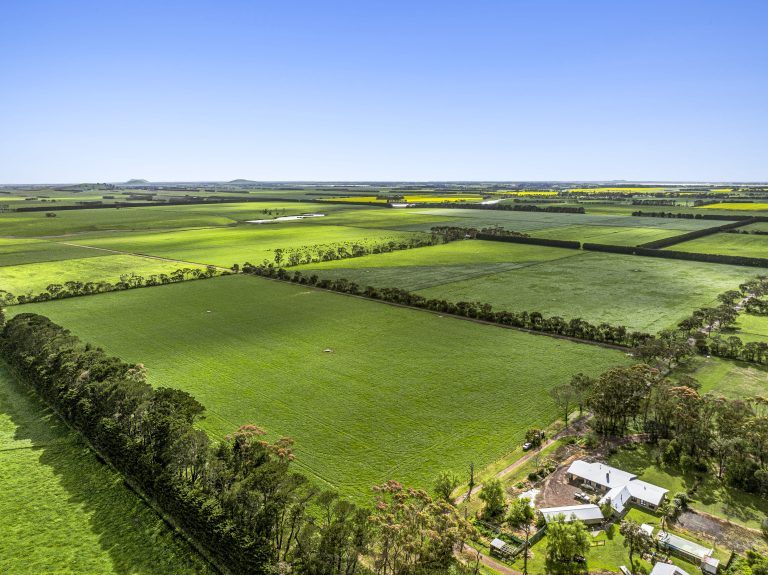
The Southeast region represents some of South Australia’s most productive agricultural land, with reliable rainfall supporting intensive livestock operations, dairy enterprises, and diverse cropping systems. The region’s volcanic soils and favorable climate create premium pastoral country that commands strong buyer interest. Properties in this region typically feature established infrastructure supporting year-round production systems, with water security through reliable rainfall reducing operational risk compared to drier zones.
The Mid North encompasses diverse agricultural opportunities across varying rainfall gradients. Higher rainfall zones support mixed farming enterprises combining livestock and cropping, while lower rainfall areas focus primarily on grain production with opportunistic livestock operations. Property values reflect these productivity variations, with soil quality and rainfall reliability creating significant valuation differences across relatively short distances.
Yorke Peninsula presents distinctive characteristics with its focus on grain production, sheep enterprises, and coastal aquaculture opportunities. The peninsula’s agricultural properties benefit from proximity to port facilities enabling efficient grain export, though water security limitations shape enterprise options and property values. Properties with supplementary water sources or strategic locations near township infrastructure command premium positioning within the regional market.
The Murray River region offers different opportunities centered on irrigation-dependent enterprises. Horticultural operations, intensive viticulture, and irrigated pasture systems dominate agricultural activity in areas with water security. Rural real estate SA along the Murray corridor reflects the fundamental importance of water rights, with properties holding permanent water allocations commanding substantial premiums over dryland alternatives.
The Riverland supports extensive horticultural production including citrus, stone fruit, almonds, and wine grapes, all dependent on irrigation from the Murray River system. Water availability and allocation security fundamentally determine property values in this region. Recent water market evolution and climate considerations have created both challenges and opportunities for astute investors who understand water rights frameworks and can navigate the region’s evolving agricultural landscape.
Key Agricultural Sectors Shaping South Australian Property Values
Viticulture represents a defining characteristic of South Australia’s agricultural identity and significantly influences rural real estate SA values in appropriate regions. The Barossa Valley, McLaren Vale, Clare Valley, Coonawarra, and Adelaide Hills wine regions command international recognition, with established vineyards in premium locations attracting strong buyer interest from both operators and lifestyle investors. Properties with proven varietal selection, appropriate terroir, quality infrastructure, and established market relationships typically achieve premium valuations reflecting embedded brand value and production capability.
Grain production forms the backbone of South Australia’s agricultural economy across extensive regions. Wheat, barley, canola, lentils, and various pulse crops suit the state’s Mediterranean climate and support viable large-scale operations. Properties with appropriate soil types, adequate scale, modern machinery infrastructure, and efficient grain storage facilities enable competitive production systems. Water availability for supplementary irrigation or livestock flexibility adds value in regions where these options exist.
Livestock enterprises spanning sheep, cattle, and mixed operations continue as fundamental agricultural activities across diverse South Australian regions. Premium lamb production, wool enterprises, and cattle breeding or finishing operations each suit different property characteristics and management approaches. Properties supporting multiple livestock options provide operational flexibility that reduces risk and enables response to commodity price signals.
Horticultural development creates significant value in areas with secure water access. Almond orchards, citrus groves, vegetable production, and various specialty crops generate intensive returns from appropriately located and managed properties. Development properties with suitable soil characteristics, established water rights, and favorable climatic conditions attract investors prepared to undertake orchard or crop establishment with its associated capital requirements and development timelines.
Emerging opportunities including carbon farming, biodiversity enhancement programs, and regenerative agriculture practices create additional value pathways for South Australian rural properties. Properties with characteristics suited to carbon sequestration through revegetation or soil carbon programs may generate supplementary income streams while potentially enhancing long-term land values through improved natural resource condition.
Critical Evaluation Factors for Rural Real Estate SA
Water security stands as the paramount consideration when evaluating South Australian agricultural properties. The state’s variable rainfall and Mediterranean climate pattern make water availability fundamental to operational viability and property values. Understanding water sources including rainfall reliability, irrigation allocations, bore water availability, and surface water rights proves essential. We engage water resource specialists who assess current water security and evaluate resilience under various climate scenarios.
Soil quality varies dramatically across South Australia’s agricultural regions, with soil type, depth, structure, and fertility directly impacting productive capacity and sustainable management requirements. Premium red-brown earths in the Southeast contrast sharply with lighter soils across other regions, each requiring different management approaches and supporting different enterprise options. Professional soil assessment revealing detailed characteristics informs realistic productivity expectations and ongoing input requirements.
Infrastructure condition significantly impacts both immediate operational capability and near-term capital requirements. Fencing quality, livestock handling facilities, machinery storage, grain handling infrastructure, and dwelling condition all contribute to property functionality and value. Properties with modern, well-maintained infrastructure enable immediate productive use, while those requiring significant capital investment demand realistic assessment of upgrade costs and timelines.
Climate patterns beyond simple rainfall totals influence agricultural viability and appropriate enterprise selection. Understanding frost risk, growing season length, heat stress potential, and seasonal rainfall distribution helps assess property suitability for different agricultural activities. These climatic factors interact with soil characteristics and water availability to determine optimal land use and realistic production expectations.
Market access considerations affect operational economics through their influence on input costs and product marketing efficiency. Properties located within efficient transport distance of grain receival sites, livestock selling centers, processing facilities, or export terminals benefit from reduced freight costs and improved price realization. Understanding transport infrastructure quality and logistics networks helps assess the true operational cost structure associated with different property locations.
Navigating Water Rights in South Australia’s Rural Property Market
Water rights complexity in South Australia requires specialized understanding during property assessment and acquisition. The Murray-Darling Basin system governs water allocation frameworks across significant portions of agricultural South Australia, with allocation policies and trading mechanisms evolving in response to climate realities and environmental requirements. Properties with water allocations attached require careful assessment of allocation security, historical availability, and future reliability under various scenarios.
Water allocation types include different security levels affecting both value and operational planning. High security allocations provide greater reliability but command premium prices in water markets, while lower security allocations involve more variability in seasonal availability. Understanding these allocation categories and their implications for intended agricultural operations proves essential when evaluating rural real estate SA with irrigation potential.
Water trading mechanisms enable separation of water rights from land, creating both opportunities and complexities. Properties may be purchased with or without water allocations, while existing allocations can be retained when land is sold. This unbundling requires careful structuring of acquisition terms to ensure buyers secure necessary water resources for intended operations. We coordinate with water rights specialists who navigate these frameworks and ensure appropriate water security for client objectives.
Bore water availability provides alternative water sources in some regions, though extraction rights involve separate licensing considerations. Understanding bore capacity, water quality, extraction limits, and licensing requirements helps assess the value and utility of groundwater resources. Professional hydrogeological assessment reveals sustainable extraction rates and long-term aquifer reliability.
Environmental water requirements and river health considerations increasingly influence water allocation policies and availability. Understanding these policy frameworks and their evolution helps investors assess long-term water security and potential policy impacts on property values and operational viability. Staying informed about water policy development forms part of prudent risk management for irrigation-dependent properties.
How Agribusiness Horizons Facilitates Your South Australian Property Acquisition
At Agribusiness Horizons, we provide comprehensive support for investors seeking rural real estate SA opportunities across all agricultural regions. Our national scope combined with regional expertise enables us to identify properties aligning with client objectives while providing market intelligence that informs realistic valuation and strategic decision-making. We maintain active networks throughout South Australia’s agricultural communities, providing early awareness of opportunities including off-market properties that never reach public marketing.
Our property identification services leverage relationships with farming families, agricultural corporations, financial institutions, and industry participants across South Australian regions. Many premium rural properties transact quietly through trusted advisor networks rather than open marketing campaigns. Our established relationships provide clients access to these opportunities before they reach broader market awareness, often resulting in more favorable acquisition terms and reduced competition.
We conduct thorough preliminary assessments evaluating productive capacity, water security, infrastructure quality, and development potential. Our valuation methodology combines comparable transaction analysis with detailed financial modeling specific to South Australian agricultural operations. We understand the revenue potential and cost structures of various enterprises across different regions, enabling realistic assessment of investment returns under diverse operational scenarios and market conditions.
Our negotiation approach balances commercial discipline with sensitivity to seller motivations and legacy considerations. South Australian rural properties often involve multi-generational family operations where non-financial factors influence transaction terms and timing. Our negotiation style acknowledges these dimensions while securing favorable outcomes for buyers, facilitating agreements that satisfy all parties and support successful transitions.
We coordinate comprehensive due diligence through networks of specialists including rural property lawyers experienced in South Australian frameworks, water rights experts understanding state-specific allocation systems, agronomic consultants with regional knowledge, and environmental advisors assessing compliance and natural capital opportunities. This multidisciplinary approach ensures thorough assessment of all material factors before commitment.
Following acquisition, we provide transition support ensuring operational continuity and successful establishment under new ownership. This includes facilitating knowledge transfer from departing owners, coordinating with local agricultural service providers and suppliers, and providing ongoing advisory support as you establish operations. Our post-acquisition services protect investment value during the critical transition period when operational disruption poses greatest risk.
Financial Considerations for South Australian Rural Property Investment
Valuation approaches for rural real estate SA must account for diverse factors including productive capacity, water security, infrastructure quality, and regional market dynamics. Productive capacity assessment combines soil quality, climate suitability, and historical production data to determine sustainable output potential. Water availability fundamentally shapes valuation in irrigation-dependent regions, with secure water allocations commanding substantial premiums reflecting their critical role in operational viability.
Financing South Australian agricultural property typically involves specialized rural lenders understanding regional property values and agricultural economics. Major agricultural banks maintain active lending across South Australian rural property markets, while private capital sources and family office investors also participate in rural property financing. We work with diverse funding sources helping clients structure acquisition financing that optimizes capital cost while maintaining appropriate operational flexibility.
Tax structuring significantly impacts net returns from rural property investment. Understanding capital gains treatment, depreciation opportunities, income tax implications of different ownership structures, and primary production concessions helps optimize after-tax outcomes. We collaborate with agricultural tax specialists providing South Australia-specific guidance on structuring rural property acquisitions for tax efficiency while maintaining operational and strategic flexibility.
Operational budgeting requires realistic assessment of both revenue potential and operating costs specific to intended enterprises and regional conditions. Labor availability and costs, input pricing, transport expenses, water charges where applicable, and compliance requirements all affect profitability. Our financial modeling incorporates realistic assumptions based on actual South Australian operational data, helping investors understand expected cash flows under various production scenarios and commodity price conditions.
Risk management encompasses production risk from climate variability, price risk from commodity market fluctuations, and financial risk from leverage and interest rate exposure. South Australia’s Mediterranean climate creates specific risk profiles with winter cropping exposure to spring rainfall variability and summer heat stress considerations. Appropriate insurance programs, commodity price risk management tools, and prudent financial structuring all contribute to sustainable rural property investment outcomes.
Regional Market Dynamics and Investment Opportunities
Premium wine regions continue commanding strong investor interest driven by brand recognition, established market positioning, and lifestyle appeal. The Barossa Valley, McLaren Vale, and Adelaide Hills attract diverse buyer types including operating vignerons, institutional investors, and high-net-worth individuals seeking premium agricultural assets with lifestyle dimensions. These regions typically demonstrate price resilience reflecting demand depth and limited supply of appropriately zoned vineyard land.
Grain belts across the Mid North, Yorke Peninsula, and Eyre Peninsula present opportunities for investors seeking exposure to broad-acre agriculture. These regions support large-scale operations with modern farming systems delivering competitive production economics. Properties with adequate scale, appropriate soil types, and efficient infrastructure attract both operating farmers seeking expansion and investors pursuing exposure to grain and livestock sectors.
The Southeast’s productive pastoral country attracts investors seeking reliable rainfall regions supporting diverse agricultural enterprises. The combination of livestock, cropping, and forestry opportunities provides operational flexibility and risk diversification. Institutional investors maintain interest in this region reflecting its productive reliability and established agricultural systems.
Irrigation regions along the Murray River present opportunities for investors with expertise in intensive horticultural operations or willingness to engage experienced operators. These properties require sophisticated understanding of water markets, horticultural management, and market access for intensive crops. Successful investment in these regions typically involves operational expertise beyond simple land ownership.
Emerging opportunities include properties suited to carbon farming, regenerative agriculture, and natural capital enhancement. South Australia’s policy frameworks supporting these initiatives create potential for supplementary income streams and value enhancement. Properties with characteristics enabling participation in these programs may offer additional return pathways beyond traditional agricultural production.
Practical Steps for Beginning Your South Australian Rural Property Journey
Commencing your search for rural real estate SA begins with clarifying investment objectives including target returns, acceptable risk levels, management involvement preferences, and time horizons. These foundational decisions guide subsequent choices about regional focus, property characteristics, and operational strategies. Clear objectives enable efficient property search while maintaining appropriate flexibility for exceptional opportunities.
Research South Australian agricultural regions to identify areas aligning with your objectives and capabilities. Different regions suit different enterprises and investment approaches based on climate, soil types, water availability, and market access. Understanding regional characteristics, community dynamics, and agricultural systems helps focus search efforts on areas offering optimal fit with your goals.
Engage specialist advisors early in your acquisition journey. South Australian rural property investment requires expertise spanning agronomy, water rights, environmental compliance, and rural property law. Building your advisory team before commencing property search ensures you can move decisively when opportunities arise and avoid costly mistakes during assessment and acquisition phases.
Visit South Australia to develop firsthand familiarity with agricultural regions and property options. Direct observation provides insights complementing formal analysis and helps develop informed preferences about where you want to own rural property. Regional visits enable meetings with local agricultural professionals, equipment dealers, and commodity buyers who provide valuable operational perspectives.
Establish financing relationships before identifying specific properties. Pre-approval from agricultural lenders demonstrates credibility during negotiations and enables confident decision-making when opportunities emerge. Understanding your borrowing capacity informs realistic property search parameters and prevents wasted effort pursuing unsuitable opportunities beyond your financial capacity.
Comparison of South Australia’s Major Agricultural Regions
RegionPrimary Agricultural FocusKey CharacteristicsWater Security ConsiderationsSoutheastLivestock, dairy, forestry, mixed farmingHigh rainfall, volcanic soils, productive pastoral countryGenerally reliable rainfall with supplementary sourcesMid NorthGrain production, sheep, mixed farmingVariable rainfall gradient, diverse soil typesRainfall dependent with some bore water availabilityYorke PeninsulaGrain, sheep, aquacultureConsistent grain focus, coastal locationLimited water security, primarily rainfall dependentBarossa ValleyPremium viticulture, olive productionInternational wine recognition, established vineyardsMixed sources including bores and surface waterRiverlandIntensive horticulture, viticultureMurray River irrigation dependentCritical reliance on water allocationsAdelaide HillsViticulture, horticulture, livestockCool climate wines, proximity to AdelaideVariable depending on specific locationEyre PeninsulaGrain, sheep, aquacultureReliable grain production regionPrimarily rainfall with limited irrigation
This comparison demonstrates the diversity within rural real estate SA, illustrating how different regions align with various investment strategies and agricultural enterprises.
Conclusion: Seizing South Australian Rural Property Opportunities
The opportunity to invest in rural real estate SA provides access to one of Australia’s most diverse and sophisticated agricultural regions. South Australia’s combination of established agricultural sectors, emerging opportunities, strategic export positioning, and varied climatic zones creates compelling investment propositions for those prepared to understand regional nuances and sectoral dynamics. The state’s agricultural property market demonstrates resilience supported by productive land resources, innovative farming practices, and strong export orientation.
Success in South Australian rural property investment demands specialized knowledge of regional variations, water rights frameworks, agricultural sector economics, and operational realities specific to different areas and enterprises. The state’s agricultural diversity enables investors to find opportunities matching their expertise and objectives, whether seeking established operations with proven performance or development opportunities requiring vision and patient capital.
At Agribusiness Horizons, we bring comprehensive capabilities supporting your rural real estate SA acquisition journey. Our team combines regional knowledge with national market intelligence and international networks, providing expertise needed to identify, evaluate, and acquire agricultural properties aligned with your strategic vision. Whether you seek grain production operations, premium viticulture holdings, intensive horticultural enterprises, or mixed farming properties, we provide guidance and support necessary for confident decision-making.
As you consider South Australian rural property opportunities, reflect on these important questions: How do South Australia’s diverse agricultural regions align with your operational expertise and investment objectives? What unique capabilities or resources can you bring to enhance property performance and create value beyond capital deployment? How does South Australian rural property fit within your broader investment portfolio and wealth management strategy?
These considerations highlight strategic dimensions distinguishing successful rural property investment from simple land acquisition. Ready to explore rural real estate SA opportunities with expert guidance? Contact Agribusiness Horizons today for a confidential conversation about your agricultural property objectives in South Australia.
Reach out through our contact page or speak directly with Rawdon Briggs at +61 428 651 144 or [email protected]. Let us help you navigate South Australia’s rural property market and identify agricultural investments delivering lasting value aligned with your strategic vision. Our national capabilities combined with regional expertise position us to guide you confidently through every stage of your rural property acquisition journey.