Rural Property WA: Your Complete Guide to Western Australian Agricultural Land Investment
Western Australia’s vast agricultural landscapes offer exceptional opportunities for investors seeking productive farmland across diverse climatic zones and enterprise types. Understanding the complexities of rural property WA acquisitions requires specialized knowledge of regional characteristics, water resources, soil types, and the unique market dynamics that define this geographically expansive state. At Agribusiness Horizons, we bring extensive experience facilitating high-value agricultural property transactions throughout Western Australia and invite you to connect with our specialists for expert guidance on your rural property journey. This comprehensive guide explores everything from regional agricultural zones and property characteristics to strategic acquisition approaches and value optimization strategies for Western Australian farming operations.
Western Australia’s Agricultural Property Landscape
Western Australia encompasses some of Australia’s most diverse agricultural regions, stretching from high-rainfall coastal districts to vast inland pastoral zones. The state’s farming sector supports varied enterprises including broadacre cropping, sheep and cattle production, intensive horticulture, and emerging agricultural industries. This diversity creates a robust rural property market serving investors with different capital availability, operational expertise, and risk tolerance.
Agricultural land throughout Western Australia has demonstrated resilience through commodity cycles and climatic variability, with quality properties maintaining strong asset values over extended periods. The state’s reputation for producing premium grains, livestock, and specialty agricultural products enhances the appeal of Western Australian farmland to both domestic and international buyers. Properties demonstrating productive capacity, water security, and quality infrastructure attract consistent interest from experienced farmers and investment entities.
The evolution of farming practices continues transforming the agricultural landscape. Modern properties increasingly incorporate precision agriculture technologies, sustainable land management practices, and diversified enterprise structures. Farms demonstrating progressive management approaches and environmental stewardship often command premium valuations reflecting their enhanced operational capacity and long-term sustainability credentials.
Regional Characteristics of Rural Property WA Markets
Southwest Agricultural Districts
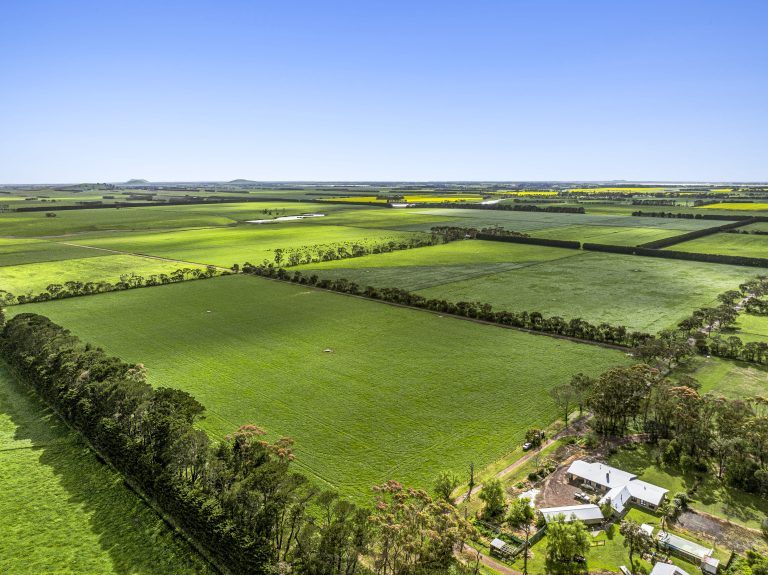
The Southwest represents Western Australia’s highest-rainfall agricultural zone, supporting intensive farming operations across varied soil types. Properties throughout this region benefit from reliable seasonal rainfall enabling cropping enterprises, livestock production, and horticultural ventures. The combination of favorable climatic conditions, established infrastructure, and proximity to Perth markets creates premium farmland that consistently attracts strong buyer interest.
Farms throughout the Southwest vary from specialized grazing operations on heavier soils to intensive cropping enterprises on lighter country. Understanding soil characteristics, drainage patterns, and enterprise suitability proves essential when evaluating properties in these districts. Well-maintained improvements including modern machinery sheds, grain storage facilities, and quality fencing represent valuable assets that enhance operational efficiency and property values.
Wheatbelt Regions
The Wheatbelt encompasses Western Australia’s primary grain-producing areas, stretching across diverse rainfall zones from higher-rainfall western districts to drier eastern regions. Properties throughout the Wheatbelt support broadacre cropping operations combined with sheep enterprises, creating mixed farming systems that provide income diversification and risk management benefits.
Understanding rainfall gradients, soil types, and yield potential proves critical when evaluating Wheatbelt properties. Farms in higher-rainfall zones typically command premium pricing per hectare reflecting their greater productive capacity, while properties in lower-rainfall districts offer scale advantages and potentially favorable entry prices for buyers willing to manage climatic variability. Infrastructure quality significantly influences property values, with well-equipped farms requiring less immediate capital investment from purchasers.
Great Southern Districts
The Great Southern region combines reliable rainfall with diverse agricultural opportunities spanning cropping, livestock, and horticultural enterprises. Properties throughout these districts benefit from moderate climatic conditions and established agricultural communities supporting various farming ventures. The region’s reputation for producing premium wool, quality grains, and specialty crops enhances property appeal to buyers seeking diverse enterprise options.
Farms in the Great Southern demonstrate varying improvement standards reflecting different investment patterns and operational approaches. Properties with comprehensive infrastructure supporting intensive enterprises typically attract buyers seeking established operations, while those with development potential appeal to investors willing to add value through strategic improvements.
Northern and Pastoral Zones
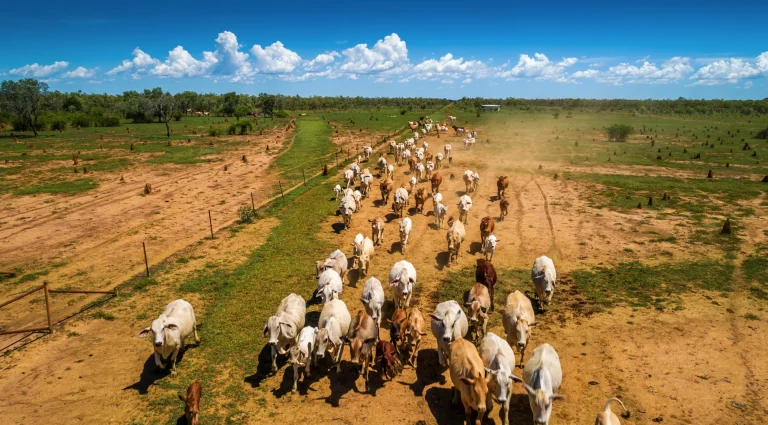
The northern agricultural and pastoral regions encompass extensive grazing properties adapted to lower-rainfall environments and tropical conditions in the far north. These stations typically support cattle operations managing large land areas relative to carrying capacity. Understanding sustainable stocking rates, water security, and the economics of extensive livestock production proves essential when evaluating pastoral properties.
Properties throughout northern and pastoral zones vary considerably in scale, improvement quality, and market positioning. Water security through bore access, dam systems, or watercourse allocations represents a critical factor influencing operational viability and property values. Stations with reliable water supplies and well-maintained infrastructure attract stronger buyer interest than those requiring substantial development investment.
Understanding Rural Property WA Valuations and Market Dynamics
Agricultural property valuations throughout Western Australia incorporate multiple factors beyond simple land area considerations. Productive capacity based on rainfall, soil quality, and enterprise suitability represents a fundamental valuation driver. Properties demonstrating higher per-hectare productivity through favorable natural advantages or infrastructure improvements typically command premium pricing relative to less productive alternatives.
Water security significantly influences rural property WA values across all agricultural zones. Farms with reliable water supplies through licensed allocations, productive bores, or dam storage systems attract strong buyer interest reflecting the operational advantages and drought resilience these resources provide. Understanding water licensing frameworks, allocation security, and infrastructure condition proves essential when evaluating agricultural properties.
Infrastructure quality affects both operational efficiency and property values. Well-maintained improvements including fencing, yards, machinery sheds, grain storage, and accommodation reduce immediate capital requirements for new owners while supporting effective farm management. Properties with modern facilities often appeal to buyers seeking turnkey operations, while those requiring infrastructure development may attract investors willing to add value through strategic improvements.
Location factors including proximity to grain receival facilities, livestock markets, and service centers influence operational costs and ultimately property values. Farms with better infrastructure access can reduce freight expenses and benefit from superior service availability. The balance between land price and operational convenience requires careful analysis during property evaluation.
Strategic Acquisition Approaches for Western Australian Farmland
Successful agricultural property acquisition begins with clearly defined investment objectives and realistic assessment of management capacity. Buyers must consider whether they intend hands-on involvement in farm operations or prefer professional management arrangements. This fundamental decision influences property selection, focusing search criteria on farms suited to intended management approaches and operational expertise.
Financial structuring requires careful consideration of acquisition costs, working capital requirements, and operational cash flow patterns. Agricultural enterprises experience seasonal revenue fluctuations reflecting crop marketing decisions, livestock sale timing, and market conditions. Ensuring adequate financial reserves to navigate seasonal cycles and potential adverse seasons proves essential for sustainable ownership.
Due diligence on agricultural properties extends beyond standard inspections. Comprehensive assessment should include soil testing verification, yield history analysis, infrastructure condition evaluation, water resource adequacy, and review of any environmental compliance obligations. Engaging specialists for technical assessments of critical elements provides buyers with detailed understanding of property conditions and potential improvement requirements.
Buyers should also consider succession planning and eventual exit strategies from initial acquisition. Understanding potential future buyers for agricultural properties, market timing considerations, and value-adding opportunities helps inform purchase decisions and management approaches throughout ownership periods. Properties with broad market appeal typically offer greater liquidity than highly specialized operations with limited buyer pools.
How Agribusiness Horizons Facilitates Rural Property WA Transactions
At Agribusiness Horizons, we specialize in facilitating agricultural property transactions throughout Western Australia, bringing deep industry knowledge and extensive buyer networks to every engagement. Our comprehensive transaction services provide complete support from initial property identification through to successful settlement and operational transition.
Our valuation and financial analysis services deliver accurate assessments of rural property WA values based on productive capacity, comparable transactions, infrastructure quality, and water security. We develop detailed financial models projecting returns under various commodity price scenarios and seasonal conditions, helping buyers make informed decisions supported by rigorous analysis. Our valuations incorporate environmental factors and natural capital considerations, recognizing these elements increasingly influence long-term property performance.
For sellers, we craft bespoke marketing strategies that position agricultural properties effectively within competitive markets. Our campaigns feature professional aerial photography, comprehensive farm information packages, soil maps, yield data, and targeted outreach to qualified buyers actively seeking Western Australian farmland. We understand how to present productive capacity, infrastructure advantages, and operational history to attract serious interest from appropriate purchaser segments.
Our strategic advisory services help clients optimize agricultural property portfolios, evaluate expansion opportunities, and develop long-term investment strategies. We provide insights on regional market dynamics, emerging trends, and strategic positioning to help clients achieve their farming investment objectives while managing risks effectively.
We deliver comprehensive risk reduction through thorough due diligence covering legal structures, land tenure, water licenses, environmental compliance, and operational aspects. Our pre-purchase assessments identify potential issues early, enabling buyers to make informed decisions or negotiate appropriate adjustments. For sellers, our pre-sale preparations help address concerns that might otherwise reduce property values or complicate transactions.
Our market timing analysis helps both buyers and sellers identify optimal transaction windows based on seasonal factors, commodity markets, and broader economic conditions. This strategic approach to timing can significantly influence transaction outcomes, helping sellers maximize returns and buyers secure favorable acquisition opportunities.
Following transaction completion, our transition support services ensure smooth handovers between sellers and buyers. We coordinate knowledge transfer regarding farm operations, seasonal planning, supplier relationships, and local considerations. This support helps new owners establish effective management systems while preserving the productive capacity and operational continuity of agricultural enterprises.
Ready to explore agricultural property opportunities across Western Australia? Contact our experienced team to discuss your rural property investment objectives and discover how we can facilitate your success.
Comparing Western Australian Agricultural Property Types
| Property Type | Primary Enterprise Focus | Typical Rainfall Zone | Infrastructure Needs | Scale Characteristics | Investment Profile |
|---|---|---|---|---|---|
| Southwest Mixed Farms | Livestock and specialty crops | High rainfall districts | Comprehensive improvements | Medium properties | Premium valuations |
| Wheatbelt Cropping Operations | Grain production with sheep | Moderate to low rainfall | Grain storage, machinery | Large broadacre holdings | Mainstream market |
| Great Southern Diversified Farms | Mixed cropping and livestock | Reliable moderate rainfall | Varied improvements | Medium to large scale | Stable demand |
| Pastoral Stations | Cattle grazing operations | Low rainfall extensive zones | Water systems, yards | Very large properties | Specialized buyers |
| Intensive Horticultural Properties | High-value crop production | Irrigated operations | Sophisticated systems | Smaller intensive sites | Niche premium markets |
This comparison illustrates the diversity within rural property WA markets, highlighting how different property types attract distinct buyer profiles and serve varied investment objectives.
Water Resources and Environmental Considerations
Water security represents a critical value driver across Western Australian agricultural properties. Farms with reliable water supplies through licensed allocations, productive bores, or constructed dams command premium valuations reflecting their operational advantages and capacity to maintain productivity through variable seasonal conditions. Understanding water licensing frameworks, allocation security levels, and usage conditions proves essential when evaluating properties.
Groundwater resources through licensed bores provide valuable water security for many Western Australian farms. Bore productivity, water quality, salinity levels, license conditions, and pumping infrastructure all influence the value these assets contribute to properties. Farms with multiple water sources demonstrate greater operational flexibility and risk mitigation, factors increasingly valued by discerning buyers seeking climate resilience.
Soil health has emerged as a critical natural capital consideration throughout agricultural regions. Properties with documented soil improvement programs, precision agriculture adoption, and sustainable fertility management demonstrate long-term productivity advantages. Buyers increasingly seek farmland where previous management has enhanced rather than depleted soil resources, recognizing that soil quality directly impacts both current returns and future property values.
Environmental stewardship and compliance considerations increasingly influence agricultural property transactions. Farms with documented sustainable management practices, native vegetation management plans, and participation in environmental programs demonstrate responsible land management. These factors enhance property reputations while potentially providing access to environmental program payments supplementing agricultural income.
Current Trends Shaping Western Australian Agricultural Property Markets
Technology adoption continues transforming agricultural operations and influencing property values across Western Australia. Farms equipped with precision agriculture infrastructure, variable rate application systems, and remote monitoring capabilities attract buyers seeking operational advantages. Properties demonstrating technology readiness or adoption offer efficiency benefits that support premium valuations and enhanced operational performance.
Sustainability credentials have become increasingly important in agricultural property transactions. Buyers assess environmental management practices, carbon sequestration potential, and participation in recognized stewardship programs. Properties demonstrating commitment to sustainable farming practices often achieve premium valuations reflecting their enhanced reputation, operational sustainability, and potential for accessing environmental markets.
Corporate and institutional investment in agricultural properties continues expanding as financial organizations recognize the portfolio diversification benefits and inflation-hedging characteristics of quality farmland. This capital influx brings professional management approaches and potentially higher operational standards to some farming operations while also influencing market dynamics and pricing levels across various agricultural regions.
Interstate investment in Western Australian farmland continues as buyers from eastern states recognize value opportunities relative to their home markets. These purchasers bring capital availability and often seek quality properties offering stable returns and capital appreciation potential. Marketing properties to interstate audiences expands buyer pools and creates additional competition supporting strong price outcomes for sellers.
Practical Considerations for Successful Rural Property Ownership
Successfully managing agricultural properties in Western Australia requires understanding seasonal planning, operational efficiency, and risk management strategies. Effective farm management balances enterprise selection with natural resource capabilities, ensuring operational approaches align with soil types, rainfall patterns, and infrastructure capacity. Properties managed within their productive capabilities maintain land condition and demonstrate sustainable performance over extended periods.
Enterprise diversification provides risk management benefits for many Western Australian farming operations. Combining cropping enterprises with livestock production creates multiple revenue streams with different risk profiles and timing patterns. This diversification can smooth cash flows, utilize resources efficiently across seasons, and provide flexibility to adapt to changing market conditions or seasonal variations.
Building relationships with local agricultural service providers, machinery dealers, agronomic advisors, and marketing agents enhances operational efficiency and market access. Established farming communities throughout Western Australia offer valuable support networks for new property owners, providing local knowledge and practical assistance during transition periods.
Maintaining adequate insurance coverage, managing debt serviceability conservatively, and building financial reserves supports sustainable ownership through variable seasons and market cycles. Successful agricultural property owners plan for adverse conditions while optimizing performance during favorable periods, ensuring long-term viability across inevitable variability in agricultural markets and seasonal outcomes.
Conclusion: Building Success in Western Australian Agricultural Property Investment
Successfully navigating rural property WA acquisitions requires specialized knowledge, comprehensive planning, and realistic assessment of management capabilities and financial resources. Agricultural properties represent substantial investments demanding careful evaluation of productive capacity, water security, infrastructure adequacy, and operational viability. The diversity of Western Australia’s agricultural zones creates opportunities for investors with varying objectives, from intensive southwest farming to extensive pastoral operations.
Working with experienced agricultural property specialists ensures you benefit from market intelligence, technical expertise, and transaction support throughout your investment journey. Whether you’re acquiring your first farm, expanding an existing agricultural portfolio, or preparing to sell farmland, professional guidance helps maximize outcomes while managing the inherent risks and complexities of agricultural property transactions.
As you consider opportunities in Western Australia’s agricultural sector, what regional characteristics and enterprise systems best align with your management expertise and investment objectives? How might emerging trends in sustainable farming practices and technology adoption influence your property selection and operational approach? What resources, partnerships, and support structures will you need to successfully manage an agricultural enterprise and maximize its productive potential over time?
At Agribusiness Horizons, we’re ready to help you answer these questions and achieve your agricultural property goals. Our comprehensive services span from initial market analysis through transaction completion and operational transition, ensuring you receive expert support at every stage. Contact us today to begin your rural property investment journey with confidence, backed by specialized experience in high-value agricultural property transactions across Western Australia and throughout Australia.