Rural Property for Sale Tasmania: Investment Opportunities in Australia’s Island State
Tasmania presents unique opportunities for agricultural investors and farming families seeking productive land in a temperate climate with reliable rainfall and diverse production capabilities. The market for rural property for sale tasmania has attracted increasing attention from buyers looking for dairy operations, beef cattle enterprises, specialty crop farms, and lifestyle holdings that combine productive capacity with natural beauty. At Agribusiness Horizons, we understand the distinctive characteristics of Tasmanian farmland and provide comprehensive advisory services to help buyers and sellers achieve their agricultural property goals. Contact our team today to discuss how we can support your property acquisition or sale in Tasmania.
This comprehensive guide examines what makes Tasmania attractive for agricultural investment, the types of properties available, regional differences across the state, key considerations when buying or selling, and how professional advisory services can enhance your transaction outcomes. You’ll gain practical insights into property evaluation, market dynamics, financial analysis, and transaction processes that will help you make informed decisions about agricultural property investments in Tasmania.
Understanding Tasmania’s Agricultural Advantages
Tasmania’s temperate maritime climate provides reliable rainfall across most agricultural regions, creating favorable conditions for diverse farming enterprises. The state’s reputation for clean air, pure water, and disease-free status gives Tasmanian agricultural products a competitive advantage in both domestic and export markets. This environmental premium translates directly into enhanced market access and price premiums for products ranging from dairy and beef to specialty crops, wine, and premium vegetables.
The island state has built strong agricultural industries around its natural advantages, with dairy farming historically forming the backbone of rural economies in the north and northwest. Beef cattle operations occupy properties across multiple regions, from intensive finishing operations on improved pastures to breeding enterprises on hill country. Emerging industries including viticulture, berry production, vegetable seed crops, and premium processed foods have expanded the range of opportunities available when evaluating rural property for sale tasmania.
Geographic isolation provides biosecurity advantages that protect Tasmanian agriculture from pests and diseases affecting mainland operations. This status opens export markets and supports premium pricing for clean, traceable agricultural products. Properties that can capitalize on these advantages through appropriate enterprise selection and market positioning offer superior investment potential compared to similar mainland holdings.
Water security represents a significant advantage for Tasmanian agricultural properties, with most regions receiving adequate rainfall for pasture-based livestock systems and many crops. While irrigation infrastructure enhances productivity and reliability, many properties operate successfully on natural rainfall alone. This reduces capital requirements and operational complexity compared to irrigation-dependent enterprises in drier regions.
Types of Agricultural Properties Available Across Tasmania
Dairy farming properties represent a significant category within the Tasmanian agricultural property market, particularly in the northwest and northern regions. These operations range from family-scale holdings milking modest herds to large-scale corporate farms with sophisticated infrastructure and substantial production capacity. Dairy properties typically command attention from experienced operators and investors seeking exposure to stable milk supply contracts and consistent cash flow generation.
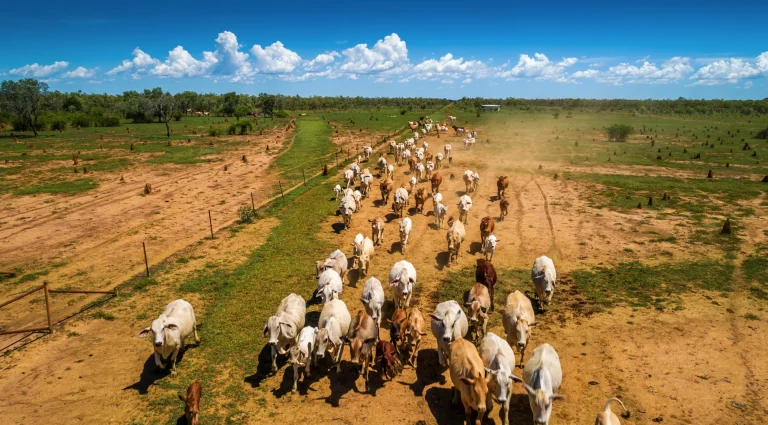
Beef cattle properties span diverse landscapes from improved pasture country suitable for intensive finishing operations to hill country suited to breeding enterprises. The flexibility of beef production systems allows properties to be configured for various operational models depending on land capability, infrastructure, and market access. Some properties support year-round cattle operations, while others suit seasonal grazing patterns that align with pasture growth cycles.
Specialty crop and horticultural properties have gained prominence as Tasmania’s reputation for premium produce has grown. Opportunities exist in viticulture, berry production, vegetable seed crops, poppy cultivation for pharmaceutical purposes, and emerging specialty crops. These intensive operations require specific soil types, climate conditions, and infrastructure but can generate superior returns per hectare compared to extensive livestock systems.
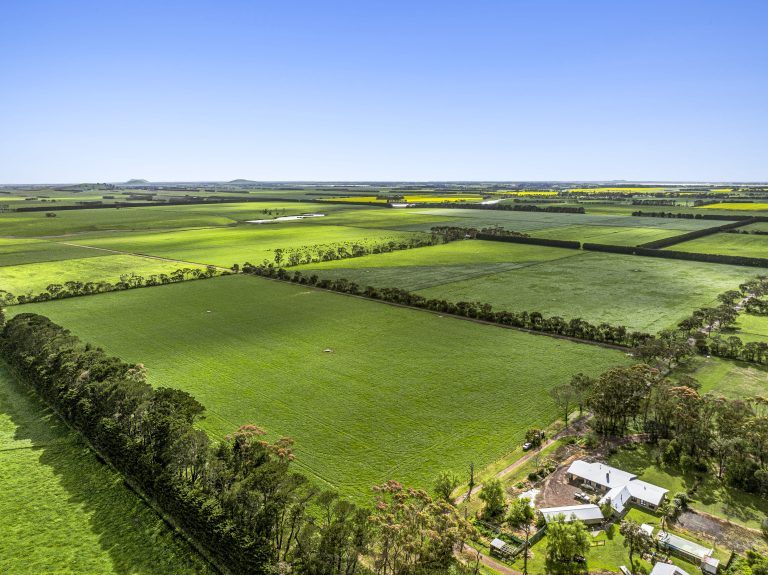
Mixed farming operations combine livestock and cropping enterprises, providing diversification benefits that can smooth income volatility and spread operational risk. Properties suitable for mixed farming typically feature combinations of improved pasture, cultivation areas, and infrastructure supporting multiple enterprises. This flexibility appeals to buyers seeking adaptable farming systems that can respond to changing market conditions.
Forestry properties and mixed forestry-grazing holdings represent another category of rural property for sale tasmania. Some properties feature established plantation forests providing long-term income streams, while others offer opportunities to establish new forestry enterprises alongside grazing operations. Understanding timber species, rotation lengths, and market dynamics is essential when evaluating forestry components of agricultural properties.
Regional Characteristics Across Tasmania’s Agricultural Zones
The northwest coast region features some of Tasmania’s most productive agricultural land, with rich volcanic soils and reliable rainfall supporting intensive dairy operations, vegetable production, and mixed farming. This region has established infrastructure, processing facilities, and service towns that support agricultural enterprises. Properties in this area typically attract strong buyer interest and command values reflecting their productivity and lower operational risk.
The northern region around the Tamar Valley and central north offers diverse agricultural opportunities from dairy and beef operations to viticulture and specialty crops. This area benefits from good transport links, proximity to Launceston, and access to both domestic and export markets through ports. Properties range from intensive irrigated operations to dryland grazing enterprises, providing options across different investment scales and operational models.
The Midlands region features extensive grazing properties suited to beef cattle and sheep operations, with some areas supporting cropping enterprises. This region offers opportunities for buyers seeking larger landholdings at more accessible price points compared to the northwest and northern regions. Properties here typically operate on lower stocking rates but provide scale advantages for livestock enterprises.
The east coast region presents opportunities for grazing properties, viticulture, and emerging specialty crops, with coastal properties often combining agricultural production with tourism or lifestyle components. This region has seen increased interest from buyers seeking properties that offer both productive capacity and amenity values. Understanding market dynamics for these properties requires recognizing both agricultural and lifestyle buyer profiles.
Southern regions around Hobart feature smaller agricultural holdings, specialty crop operations, and properties that blend farming with proximity to urban amenities. This area supports viticulture, small-scale horticulture, and livestock operations on suitable land. Properties here often attract owner-operators seeking to combine farming with off-farm employment or lifestyle considerations.
Key Considerations When Evaluating Rural Property for Sale Tasmania
Land capability and soil types form the foundation of any agricultural property assessment. Tasmania features diverse soil types from rich volcanic loams to lighter sandy soils and heavier clay country, each suited to different agricultural enterprises. Professional soil assessments during due diligence help verify productive capacity and identify any limitations that might affect your intended enterprise mix. Understanding soil drainage, fertility, and management history provides crucial insights into long-term productivity potential.
Climate and rainfall patterns vary significantly across Tasmania despite the state’s relatively small geographic area. Properties in high-rainfall zones support more intensive grazing systems and different crop options compared to lower-rainfall areas. Reviewing historical rainfall data, frost risk, growing season length, and extreme weather patterns helps assess production reliability and risk factors. Properties with favorable microclimates or protection from prevailing weather patterns may offer productivity advantages over nearby holdings.
Infrastructure quality and adequacy significantly impact both operational efficiency and capital requirements following purchase. Dairy infrastructure including milking sheds, yards, and effluent systems represents substantial invested capital that should be thoroughly assessed for condition and compliance. Fencing, water reticulation, sheds, and housing all require evaluation to determine their adequacy for your intended operation and identify any deferred maintenance or required upgrades.
Market access considerations include proximity to processing facilities, livestock markets, ports, and service centers. Properties located near key infrastructure typically offer operational advantages including reduced freight costs and greater flexibility in product marketing. However, properties in more remote locations may present value opportunities for buyers willing to manage additional logistical considerations in exchange for lower acquisition costs.
Regulatory and compliance factors require careful attention when evaluating Tasmanian agricultural properties. This includes planning scheme provisions, environmental regulations, water extraction licenses, and any special conditions affecting land use. Properties with clean compliance records and appropriate permits for existing operations reduce risk and complexity for incoming owners.
Market Dynamics and Investment Trends in Tasmanian Farmland
The market for rural property for sale tasmania responds to multiple influences including commodity prices, interest rates, seasonal conditions, and broader investor sentiment. Strong dairy commodity prices typically stimulate interest in dairy properties, while favorable beef markets increase competition for grazing land. Understanding these cyclical patterns helps buyers identify opportune acquisition timing and sellers position properties when market conditions favor their property type.
Buyer profiles in Tasmania include local farmers seeking expansion, mainland buyers attracted to Tasmania’s agricultural advantages, lifestyle purchasers seeking productive holdings with amenity values, and investors pursuing agricultural assets for portfolio diversification. Each buyer category brings different motivations, financial structures, and acquisition criteria that influence market dynamics and pricing outcomes.
Interstate buyer interest has strengthened in recent years as mainland farmers recognize Tasmania’s water security, biosecurity advantages, and reliable production environment. This expanded buyer pool has supported values for well-presented properties with strong fundamentals. However, local knowledge remains valuable in identifying properties with specific regional advantages or addressing operational considerations unique to Tasmanian farming.
Foreign investment in Australian agricultural property is subject to screening thresholds and approval processes that buyers must navigate. Understanding these requirements and their application to specific properties helps ensure transaction processes proceed smoothly without delays or complications. Professional advisors can guide both buyers and sellers through compliance requirements.
Property presentation and marketing approaches significantly influence sale outcomes for rural property for sale tasmania. Well-prepared properties with clear documentation, resolved compliance issues, and professional marketing materials attract broader interest and achieve stronger pricing than poorly presented holdings. Sellers benefit from investing in pre-sale preparation and engaging advisors who understand how to position properties effectively.
Financial Analysis and Valuation Approaches for Tasmanian Rural Properties
Comprehensive financial analysis begins with understanding historical production data and assessing sustainable carrying capacity or crop yields under competent management. Properties should be evaluated based on realistic production assumptions that account for seasonal variability and market cycles rather than optimistic projections. This conservative approach ensures your investment remains viable across a range of operating conditions.
Income capitalization methods analyze sustainable earnings before interest, tax, depreciation, and amortization relative to property values to assess investment returns. Properties generating stronger returns relative to acquisition cost offer better investment fundamentals, though buyers must verify that reported earnings reflect sustainable long-term performance rather than exceptional recent conditions. Sensitivity analysis helps identify how changes in key variables affect profitability and investment returns.
Comparable sales analysis examines recent transactions for similar properties in the same region to establish market value benchmarks. However, direct comparisons can be challenging when properties vary in size, land quality, infrastructure, and enterprise mix. Professional valuers adjust for these differences to provide reliable value assessments that support acquisition decisions and financing applications.
Debt servicing capacity represents a critical consideration for buyers utilizing finance to acquire agricultural property. Lenders require detailed financial projections demonstrating the property can generate sufficient cash flow to service debt obligations under reasonable production and price scenarios. Conservative assumptions around yields, commodity prices, and operating costs help ensure your investment remains financially sustainable even when conditions are less favorable than anticipated.
Capital requirements beyond property acquisition include working capital for livestock, machinery, operational inputs, and establishment costs for any enterprise changes you plan to implement. Buyers should develop comprehensive budgets covering all costs associated with taking ownership and operating the property to avoid undercapitalization that constrains operational performance.
How Agribusiness Horizons Supports Your Tasmanian Property Objectives
At Agribusiness Horizons, we bring specialized expertise in agricultural property transactions across Australia, including comprehensive knowledge of Tasmanian farmland markets and the unique characteristics that drive value in different regions. Our team provides end-to-end support for buyers and sellers, from initial consultation through transaction completion and beyond. We combine deep agricultural knowledge with sophisticated financial analysis to help clients make informed decisions about rural property for sale tasmania.
For buyers, we offer access to both marketed properties and off-market opportunities through our extensive industry network and relationships with sellers. Our due diligence services cover agronomic assessment, financial analysis, legal review, environmental considerations, and infrastructure evaluation to ensure you have complete information before making purchase decisions. We coordinate with specialist consultants including agronomists, solicitors, and accountants to provide comprehensive transaction support.
Our negotiation expertise helps buyers secure favorable purchase terms and pricing based on objective market evidence and property fundamentals. We manage transaction processes from initial offer through to settlement, coordinating with all parties to ensure smooth progression and timely completion. Our support continues post-purchase with transition assistance, operational introductions, and strategic advice to help you optimize your investment.
Sellers benefit from our strategic approach to property marketing and positioning. We develop tailored marketing campaigns that highlight your property’s unique attributes and reach qualified buyers through multiple channels including our database, industry networks, and targeted advertising. Our valuation services establish realistic pricing expectations based on market evidence and property characteristics, helping you achieve optimal sale outcomes without extended marketing periods.
Our comprehensive service offering includes specialized advisory on water rights, natural capital values, and sustainability credentials that increasingly influence agricultural property values. We help clients identify and quantify these assets, ensuring properties are positioned to capture their full value spectrum. This holistic approach recognizes that modern agricultural properties offer value beyond traditional production metrics.
Practical Strategies for Successful Property Acquisition in Tasmania
Begin your property search by clearly defining your objectives, operational capabilities, and financial parameters. Understanding what you’re seeking in terms of location, property size, enterprise type, and infrastructure requirements helps focus your search on suitable opportunities. Be realistic about your experience level and management capacity to avoid pursuing properties that exceed your operational capabilities.
Engage professional advisors early in your property search process to benefit from their market knowledge and access to off-market opportunities. Agricultural property specialists maintain relationships with sellers and can provide advance notice of properties coming to market. Their insights into regional differences, property characteristics, and market dynamics help you evaluate opportunities more effectively.
Visit shortlisted properties multiple times under different conditions to assess their characteristics thoroughly. Spring visits showcase properties at their best, but visiting during winter or after rain provides insights into drainage, access, and operational considerations that may not be apparent in favorable conditions. Spending time on properties helps you understand their nuances and determine whether they align with your expectations.
Conduct thorough due diligence on all aspects of properties before making purchase commitments. This includes professional inspections, soil testing, water assessments, infrastructure evaluations, legal reviews, and financial analysis. Don’t rely solely on seller information; verify critical details through independent experts to protect yourself from costly surprises after purchase.
Consider engaging local agronomists or farm consultants who understand Tasmanian farming systems and can provide objective assessments of property capability and enterprise suitability. Their expertise helps you evaluate whether properties suit your intended operations and identify any management considerations specific to Tasmanian agriculture.
Future Outlook and Emerging Opportunities in Tasmanian Agriculture
Tasmania’s agricultural sector continues adapting to changing market demands, consumer preferences, and environmental considerations. The state’s clean image and biosecurity advantages position it well to capitalize on growing demand for premium, traceable agricultural products. Properties that can demonstrate sustainable production practices and environmental stewardship may command increasing premiums as buyers recognize these values.
Emerging agricultural enterprises including specialty crops, value-added processing, and regenerative farming systems are creating new opportunities for innovative operators. Properties with characteristics suited to these enterprises may offer growth potential beyond traditional farming systems. However, buyers should carefully assess market risks and technical requirements before committing to emerging agricultural ventures.
Technology adoption in Tasmanian agriculture continues advancing, with precision farming tools, improved genetics, and data-driven management enhancing productivity and sustainability. Properties with good infrastructure and capable land types are well-positioned to benefit from these innovations. Investment in technology and improved practices can unlock additional value from well-selected properties.
Climate considerations increasingly influence agricultural property values, with buyers seeking properties offering resilience to variable weather patterns. Tasmania’s generally reliable rainfall and temperate climate provide advantages compared to more drought-prone mainland regions. Properties demonstrating climate resilience through diverse topography, reliable water, and adaptable farming systems may command increasing recognition.
Comparison of Property Types in Tasmanian Agricultural Markets
| Property Type | Rainfall Dependence | Infrastructure Investment | Technical Expertise Required | Income Stability |
|---|---|---|---|---|
| Dairy Farm | Moderate | Very High | High | Good |
| Beef Cattle Grazing | Moderate | Moderate | Moderate | Moderate |
| Mixed Farming Operation | Moderate | High | High | Good |
| Specialty Crop Enterprise | High | Very High | Very High | Variable |
| Lifestyle Farming Property | Low to Moderate | Variable | Low to Moderate | Lower |
This comparison illustrates how different property types suit various buyer profiles and operational approaches. Dairy farms offer stable income streams but require substantial infrastructure investment and specialized management skills. Beef cattle properties provide operational flexibility with moderate infrastructure requirements. Mixed farming operations combine diversification benefits with higher complexity. Specialty crop enterprises can generate superior returns but demand intensive management and carry higher production risks. Understanding these trade-offs helps you identify which property type aligns with your capabilities when evaluating rural property for sale tasmania.
Conclusion: Making Informed Decisions About Tasmanian Rural Properties
Tasmania’s agricultural property market offers diverse opportunities across regions, property types, and investment scales. Success requires comprehensive understanding of regional characteristics, thorough property assessment, realistic financial analysis, and effective transaction management. Properties demonstrating strong fundamentals including productive soils, reliable water, adequate infrastructure, and favorable locations consistently attract buyer interest and achieve solid value outcomes.
Professional advisory services provide significant advantages throughout the buying or selling process. At Agribusiness Horizons, we combine market expertise, analytical capabilities, and industry networks to help clients achieve their objectives whether acquiring their first Tasmanian property or managing complex transactions. Our commitment to transparency, technical excellence, and client-focused service ensures you receive the guidance needed to make confident decisions about rural property for sale tasmania.
As you consider opportunities in Tasmania’s agricultural property market, reflect on these important questions: What enterprise types and property characteristics align best with your operational expertise and investment objectives? How do current market conditions and commodity outlooks affect the timing and positioning of your potential transaction? What due diligence steps are essential to protect your interests and ensure sound investment decisions?
Contact Agribusiness Horizons today to discuss your Tasmanian agricultural property goals. Whether you’re searching for the ideal farming operation or preparing to market your property, our team has the expertise and resources to support your success. Visit our website at https://agribusinesshorizons.com or contact Rawdon Briggs at +61 428 651 144 to schedule a consultation and learn how we can help you achieve your rural property objectives in Tasmania.
Internal Resources
Learn more about our specialized services: