Rural Land For Sale WA: Complete Guide to Western Australian Agricultural Property Investment
Western Australia’s vast agricultural landscapes offer some of the nation’s most compelling farming investment opportunities, spanning diverse climatic zones and production systems. Whether you’re seeking rural land for sale WA opportunities in the wheat belt, pastoral regions, or intensive agricultural areas, understanding the unique characteristics of this enormous state proves essential for making sound investment decisions. At Agribusiness Horizons, we specialize in facilitating agricultural property transactions across Australia’s most dynamic farming regions, bringing comprehensive market knowledge and technical expertise to every engagement. Our team understands Western Australia’s distinctive land tenure systems, water allocation frameworks, and regional production economics that distinguish exceptional agricultural properties from ordinary rural holdings. Whether you’re an established farming enterprise seeking expansion or an investor entering the agricultural sector, our specialized approach ensures informed decisions backed by thorough analysis. Contact us today to explore available agricultural properties and discover how we can guide you toward optimal investment outcomes in Western Australia’s thriving farming sector.
Understanding Western Australia’s Agricultural Landscape
Western Australia encompasses extraordinary agricultural diversity, spanning more than two and a half million square kilometers and representing roughly one-third of the Australian continent. This immense geography creates dramatically different farming systems across regional zones, from intensive irrigation operations in the southwest to extensive pastoral properties in the north and broadacre grain production throughout the central wheat belt.
The state’s agricultural evolution reflects both climatic constraints and innovative adaptation. Early European settlement concentrated in the southwest corner where Mediterranean climate patterns supported diverse farming activities. Subsequent expansion pushed agricultural frontiers eastward and northward as improved plant genetics, mechanization advances, and agronomic understanding enabled profitable farming across increasingly challenging environments.
Contemporary Western Australian agriculture demonstrates remarkable sophistication across multiple sectors. Grain production dominates land use throughout the wheat belt, where farmers deploy precision agriculture technologies to optimize productivity despite variable rainfall. Livestock enterprises span from intensive southern operations to extensive northern pastoral stations running cattle across vast rangeland properties. Horticultural development concentrates in favored microclimates where water availability, soil quality, and temperature patterns support high-value crop production.
Understanding regional characteristics proves essential when evaluating rural land for sale WA opportunities. Properties in high-rainfall zones operate under different economic parameters than those in marginal rainfall areas. Soil types ranging from productive loams to challenging sandy profiles dramatically affect both crop selection and long-term productivity potential. Our Strategic Advisory & Consulting services help buyers navigate these complexities and identify properties aligned with their operational capabilities and investment objectives.
Major Agricultural Regions and Their Characteristics
Southern Agricultural Zone
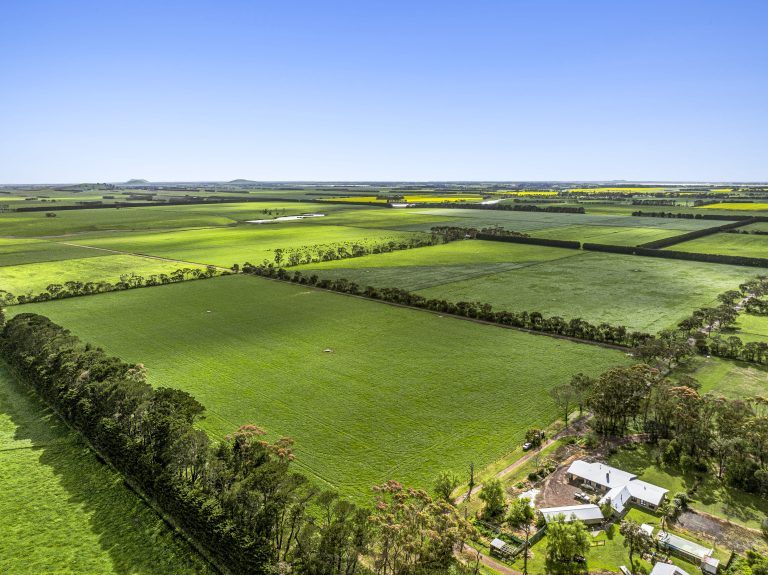
The southern agricultural region encompasses the high-rainfall areas of Western Australia’s southwest, where productive soils and reliable precipitation support diverse farming systems. This zone includes prime agricultural land around Albany, Mount Barker, Katanning, and Kojonup, where mixed farming operations combine grain production with livestock enterprises.
Properties throughout the southern zone typically feature better-developed infrastructure compared to more remote regions, with sealed road access, reliable power supply, and proximity to grain receival points reducing operational logistics costs. Soil fertility generally exceeds that of lower-rainfall zones, though waterlogging challenges affect some locations during winter months. The region’s climate reliability attracts premium valuations for quality properties with proven production history.
Livestock carrying capacity in southern areas substantially exceeds that of drier zones, enabling profitable sheep and cattle operations alongside cropping activities. Pasture productivity supports higher stocking rates, while forage conservation for drought feeding requires less emphasis than in variable rainfall regions. These advantages translate to stronger property values and competitive acquisition markets for quality agricultural land.
Central Wheat Belt
The central wheat belt stretches across Western Australia’s midsection, encompassing towns including Geraldton, Moora, Merredin, and Esperance. This extensive zone represents the heartland of the state’s grain industry, where broadacre cropping dominates land use and farm sizes typically exceed those in higher-rainfall regions.
Rainfall variability characterizes the central wheat belt, with significant year-to-year fluctuation affecting production outcomes and requiring sophisticated risk management approaches. Successful farmers in this zone employ diverse strategies including variety selection, strategic fallowing, and integrated livestock operations to buffer seasonal variation impacts. Properties with demonstrated resilience across multiple seasons command buyer interest.
Soil types throughout the central wheat belt range from productive loamy profiles to sandier textures requiring careful nutrient management. Understanding soil variability across properties proves essential for accurate productivity assessment and valuation. Modern precision agriculture technologies enable increasingly refined management of spatial variability, enhancing profitability potential for operators with technical capability and capital for technology investment.
Northern Pastoral Region
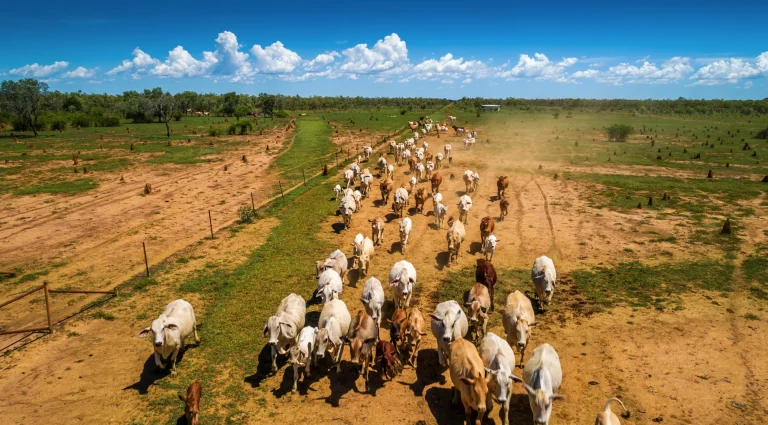
The northern pastoral region encompasses the Kimberley, Pilbara, and Gascoyne areas where extensive cattle grazing dominates agricultural land use. Properties in this zone typically span enormous areas measured in hundreds of thousands of hectares, reflecting the low carrying capacity of rangeland vegetation under tropical and semi-arid conditions.
Pastoral properties operate under fundamentally different economic models than intensive southern farming operations. Revenue generation depends on efficiently managing large cattle herds across vast areas with minimal infrastructure and labor inputs. Property values reflect both land area and carrying capacity, with additional premiums for properties featuring superior water infrastructure, strategic locations relative to markets, or development potential.
Water resource development represents the critical constraint for northern pastoral operations. Properties with established bore networks, reliable water quality, and strategic trough placement throughout paddocks demonstrate superior operational capability. Securing water rights and understanding groundwater sustainability proves essential when evaluating northern pastoral property opportunities.
Key Factors Influencing WA Rural Property Values
Climatic and Rainfall Considerations
Climate patterns fundamentally shape agricultural property values throughout Western Australia. Reliable higher rainfall areas support more intensive farming systems and generate stronger returns per hectare, translating to premium property valuations. Conversely, lower and more variable rainfall zones require larger operational scales to achieve viable economic returns, affecting per-hectare pricing accordingly.
Growing season rainfall reliability particularly influences property desirability in cropping zones. Regions demonstrating more consistent seasonal patterns attract buyer preference compared to areas experiencing frequent droughts or unseasonal rainfall events. Historical climate records provide essential context for understanding property performance potential under varying conditions.
Temperature patterns affect crop selection, livestock productivity, and operational calendars across different regions. Cooler southern areas suit crops requiring winter vernalization and livestock breeds preferring moderate conditions. Warmer northern zones favor tropical-adapted cattle genetics and heat-tolerant crop varieties. Matching property climate characteristics with intended farming systems proves essential for investment success.
Soil Quality and Agricultural Capability
Soil characteristics profoundly influence both productivity potential and property values across Western Australian agricultural regions. Productive loamy soils with good moisture-holding capacity and nutrient retention support diverse farming options and generate premium returns. Sandy soils common throughout much of the state require careful management to maintain productivity but can perform well under appropriate farming systems.
Soil depth affects both crop rooting capability and water storage capacity. Properties with deeper soil profiles demonstrate superior drought resilience and generally sustain higher productivity than shallow soil areas. Understanding soil variability across properties through detailed mapping and testing proves essential during acquisition evaluation.
Soil acidity and salinity represent significant management challenges across portions of Western Australia’s agricultural zones. Properties affected by these constraints require ongoing amelioration investment to maintain productivity. Conversely, properties with neutral pH profiles and minimal salt accumulation command premium valuations reflecting lower ongoing management costs and superior production potential.
Our Valuation & Financial Analysis services incorporate comprehensive soil assessment when evaluating rural land for sale WA opportunities, ensuring buyers understand productivity potential and any constraint management requirements affecting long-term returns.
Regional Comparison: Western Australian Agricultural Zones
| Region | Primary Production Systems | Rainfall Characteristics | Typical Property Scale | Infrastructure Development |
|---|---|---|---|---|
| Great Southern | Mixed cropping and livestock | Higher and more reliable | Medium to large holdings | Well-developed with good access |
| Central Wheat Belt | Broadacre grain production | Moderate with variability | Large to very large | Adequate with variable quality |
| Northern Pastoral | Extensive cattle grazing | Low and highly variable | Extremely large stations | Minimal, remote locations |
| Southwest Irrigation | Intensive horticulture, viticulture | Supplemented irrigation | Small to medium intensive | Excellent infrastructure |
| Mid-West Region | Mixed grain and livestock | Transitional, variable | Medium to large | Developing with improvements |
This comparison illustrates Western Australia’s extraordinary agricultural diversity and highlights how regional characteristics influence property attributes, operational requirements, and investment considerations. Buyers evaluating rural land for sale WA should understand how regional context affects both immediate operational needs and long-term value appreciation potential.
Water Resources and Allocation Systems
Water availability represents a critical determinant of agricultural property value throughout Western Australia, though its importance varies significantly across different farming systems and regions. Understanding the state’s distinctive water allocation frameworks proves essential when evaluating rural property opportunities.
In the southwest agricultural zone, rainfall typically meets crop water requirements during growing seasons, though irrigation capability enhances productivity for intensive operations including horticulture and viticulture. Properties with water licenses, established infrastructure, and reliable sources command substantial premiums. The state’s water allocation system involves licensed entitlements that buyers must verify during acquisition due diligence.
Throughout the wheat belt, most broadacre farming relies on stored soil moisture from seasonal rainfall. However, having access to stock water through bores, dams, or scheme water significantly enhances property value by supporting livestock enterprises that complement cropping operations. Water quality varies considerably across the region, with salinity levels affecting suitability for different purposes.
Pastoral properties depend entirely on water infrastructure for cattle operations. Properties with comprehensive bore networks, reliable water quality, and strategic distribution systems demonstrate superior carrying capacity and operational flexibility. Understanding groundwater resources, extraction sustainability, and water quality across pastoral properties proves essential for accurate valuation.
Our Water Rights & Natural Capital Advisory services help buyers navigate Western Australia’s water allocation systems, assess resource security, and identify optimization opportunities that enhance property performance and value.
Essential Due Diligence for WA Rural Property Acquisitions
Title and Legal Considerations
Western Australia employs distinctive land tenure systems that buyers must understand when evaluating agricultural properties. Freehold title provides the most comprehensive ownership rights and typically commands premium valuations. Crown leases represent another common tenure form, particularly in pastoral regions, where land remains owned by the state but is leased to operators under various terms and conditions.
Understanding lease conditions, rental obligations, and any restrictions on land use proves essential when considering Crown lease properties. Some leases impose constraints on development, diversification, or subdivision that may affect operational flexibility or future value realization. Our Risk Reduction services include comprehensive tenure analysis to identify any limitations affecting property use or value.
Easements, covenants, and encumbrances require thorough investigation during due diligence. Rights of way, utility easements, and neighboring property access arrangements all affect property utility and value. Historical agreements may create obligations that transfer with property ownership, requiring careful review before acquisition.
Native title considerations affect some Western Australian rural properties, particularly in more remote regions. Understanding whether native title has been extinguished, coexists with freehold title, or requires specific consultation protocols helps buyers assess any operational implications or acquisition complexities.
Physical Property Assessment
Comprehensive physical inspection forms the foundation of sound agricultural property acquisition decisions. Professional agronomic assessment evaluates soil types, drainage patterns, erosion risks, and any productivity constraints requiring management attention. This technical evaluation should encompass representative sampling across the entire property to understand spatial variability.
Infrastructure condition significantly impacts both immediate operational requirements and longer-term capital expenditure needs. Fencing quality affects livestock containment and management efficiency. Buildings including sheds, homes, and specialized facilities require condition assessment to determine replacement timeframes and maintenance requirements. Machinery and equipment inventories for properties transacted on a walk-in-walk-out basis demand thorough evaluation.
Weed and pest burdens create ongoing management obligations and costs that buyers should understand before acquisition. Properties with significant weed infestations or established pest populations may require substantial remediation investment. Conversely, well-managed properties with minimal pest pressures demonstrate superior operational efficiency and lower ongoing management costs.
Environmental considerations including native vegetation retention requirements, wetland management obligations, and biodiversity conservation constraints affect operational flexibility on some properties. Understanding these regulatory requirements helps buyers assess whether properties align with their intended farming systems and management approaches.
Financial Analysis for Rural Land Investment
Enterprise Performance Modeling
Accurate financial analysis proves essential when evaluating rural land for sale WA opportunities. Understanding property performance potential requires modeling enterprise options under various seasonal scenarios and commodity price assumptions. This analysis should incorporate both historical performance data and forward-looking projections based on realistic productivity expectations.
Grain production economics depend heavily on yield potential, input costs, and commodity prices that fluctuate considerably across seasons and market cycles. Properties with demonstrated production consistency across varying seasonal conditions typically justify premium valuations compared to those showing high variability. Modeling alternative crop rotations and enterprise mixes helps buyers understand risk-return profiles under different management strategies.
Livestock enterprise economics reflect carrying capacity, animal performance rates, and livestock prices that vary with market conditions. Properties supporting higher stocking rates generate stronger per-hectare returns, though this advantage must be weighed against typically higher acquisition costs. Integration of cropping and livestock enterprises can enhance overall farm profitability by providing diversification benefits and operational flexibility.
Horticultural operations in suitable regions generate substantially higher per-hectare returns than extensive farming systems but require greater capital investment, technical expertise, and management intensity. Evaluating these intensive operations demands specialized understanding of crop-specific economics, market access, and operational requirements.
Our Agribusiness Transactions services include comprehensive financial modeling that helps buyers understand true economic potential beyond simplistic per-hectare pricing comparisons. This analysis informs acquisition decisions and negotiation strategies based on fundamental value drivers.
Capital Requirements and Financing
Agricultural property acquisition represents only the initial capital commitment. Buyers must budget for working capital needs, immediate improvements, equipment purchases, and operational reserves to weather seasonal variability. Comprehensive financial planning that accounts for these additional requirements proves essential for acquisition success.
Working capital demands for Western Australian farming operations vary significantly across different systems. Grain production requires substantial upfront investment in seed, fertilizer, and chemicals well before harvest revenue materializes. Livestock operations involve ongoing feed costs, animal health expenses, and genetic improvement investment. Buyers should model cash flow patterns to ensure adequate financial capacity throughout production cycles.
Agricultural lending markets in Western Australia offer various financing structures tailored to different property types and farming systems. Traditional bank financing remains the primary funding source for most acquisitions, with loan-to-value ratios and interest rates reflecting property quality, buyer equity, and lender risk assessment. Understanding lender perspectives and structuring appropriate finance proposals enhances acquisition success probability.
Government assistance programs occasionally provide support for specific agricultural development initiatives, land improvement projects, or beginning farmer assistance. While these programs come and go based on policy priorities, buyers should investigate whether current programs might provide financial support for planned activities or improvements.
Critical Investment Considerations
- Scale Economics Assessment: Western Australian farming increasingly requires substantial operational scale to achieve viable returns, particularly in lower-rainfall zones where per-hectare productivity remains modest
- Infrastructure Condition Evaluation: Buildings, fencing, water systems, and access roads all require capital maintenance investment that buyers must factor into total acquisition costs and ongoing budgets
- Commodity Price Exposure Management: Properties heavily dependent on single commodity markets face concentrated price risk that requires hedging strategies or diversification approaches to manage effectively
- Climate Variability Resilience: Western Australia’s variable rainfall patterns demand farming systems and financial structures capable of weathering multiple consecutive difficult seasons without threatening business viability
- Technology Adoption Opportunities: Modern precision agriculture technologies offer substantial productivity improvements, though realizing these benefits requires both capital investment and technical capability
- Market Access Logistics: Transport costs to grain receival sites, livestock sale yards, or processing facilities affect net returns and should factor into property selection decisions
How Agribusiness Horizons Facilitates WA Rural Property Acquisitions
We understand that purchasing rural land for sale WA involves unique complexities specific to this vast state’s diverse agricultural systems. Our specialized expertise spans Western Australia’s major farming regions, providing buyers with comprehensive support throughout the acquisition process from initial property identification through successful settlement and beyond.
Property identification services leverage our extensive network throughout Western Australian agricultural communities. We maintain relationships with farming families, financial institutions, and industry participants that provide early access to quality properties before public marketing commences. This network advantage helps buyers secure premium assets without competing against broader market demand.
Comprehensive property evaluation combines agricultural assessment, financial analysis, and strategic planning to determine whether specific properties align with buyer objectives. Our agronomic specialists evaluate soil types, assess productivity potential, and identify any management challenges requiring attention. Financial modeling quantifies expected returns under various scenarios, helping buyers understand risk-return profiles and determine appropriate acquisition pricing.
Negotiation and transaction management draws on our proven processes and agricultural expertise. We coordinate with legal advisors, financing specialists, and technical consultants to ensure all transaction elements receive appropriate attention. Our goal involves protecting buyer interests while facilitating efficient execution that meets timing objectives.
Our Post-Sale & Transition Support services continue beyond settlement. We help coordinate property handovers, facilitate knowledge transfer from previous owners, and provide ongoing strategic advice as buyers implement their farming plans. This comprehensive approach increases the likelihood of acquisition success and long-term investment performance.
Sustainable Farming and Environmental Stewardship
Modern agricultural operations in Western Australia increasingly emphasize environmental sustainability alongside economic performance. Properties demonstrating strong environmental stewardship practices often command premium valuations while positioning favorably for future regulatory changes and market preferences.
Soil health management represents a foundation of sustainable farming systems. Practices including minimum tillage, stubble retention, diverse crop rotations, and strategic nutrient management enhance long-term productivity while reducing environmental impacts. Properties with documented soil improvement programs demonstrate commitment to sustainability and typically maintain superior production capacity.
Biodiversity conservation through native vegetation retention and habitat corridors contributes to ecosystem health while potentially generating carbon offset revenue. Western Australia’s carbon farming initiatives enable landholders to monetize environmental services through emission reduction projects. Properties with established carbon programs or clear development pathways may access additional revenue streams supplementing traditional farming income.
Water use efficiency gains importance as resource constraints tighten across agricultural regions. Modern irrigation technologies, soil moisture monitoring systems, and crop selection strategies that optimize water productivity enhance both environmental outcomes and operational economics. Buyers should evaluate whether properties incorporate efficient water management or require investment to improve performance.
Natural capital advisory services help buyers understand emerging environmental markets and assess opportunities to monetize ecosystem services. These considerations increasingly influence rural property valuations as markets recognize value beyond traditional production metrics.
Market Dynamics Influencing WA Rural Property Values
Understanding broader market forces helps buyers evaluate whether rural land for sale WA opportunities represent fair value and sound long-term investments. Multiple factors influence property valuations across different timeframes and regional markets throughout the state.
Agricultural commodity prices significantly affect farmland values, with extended periods of favorable pricing typically driving increased buyer demand and rising land values. Conversely, commodity downturns can soften property markets as farmer profitability declines and financing becomes more constrained. Understanding commodity market fundamentals and price cycle positioning helps inform acquisition timing decisions.
Interest rate environments influence both buyer purchasing power and comparative investment returns. Lower interest rates enhance agricultural property affordability and make farming returns more competitive relative to alternative investments. Rising rates produce opposite effects, potentially constraining buyer demand and softening property markets.
Seasonal conditions affect transaction activity and pricing psychology. Following favorable seasons with strong farm profitability, buyer confidence typically strengthens and property markets become more competitive. Extended droughts can depress markets as farmer equity deteriorates and lenders become more conservative. Our Market Timing Analysis services help buyers understand current market positioning and identify optimal acquisition windows.
Foreign investment interest periodically influences Western Australian rural property markets, particularly for larger-scale operations or unique assets. These international buyers bring additional capital to markets and may pay premium prices for strategic properties meeting specific investment criteria. Understanding foreign investment dynamics helps local buyers gauge competitive dynamics.
Technology and Innovation in WA Agriculture
Western Australian agriculture increasingly embraces technological innovation to enhance productivity, manage environmental challenges, and improve operational efficiency. Properties equipped with modern technology infrastructure or suitable for advanced system adoption demonstrate stronger long-term value potential.
Precision agriculture technologies enable spatially-variable crop management that optimizes inputs and maximizes productivity across different soil zones. Satellite imagery, yield mapping, variable rate application equipment, and automated guidance systems help farmers extract maximum value from every hectare. Properties with established precision agriculture programs demonstrate operational sophistication and efficiency.
Data management systems increasingly underpin farm decision-making. Weather monitoring networks, soil sensor arrays, and livestock tracking technologies generate valuable information streams that inform management decisions. Properties with established data collection infrastructure and historical databases provide incoming operators with substantial knowledge advantages.
Automation technologies including autonomous tractors, robotic systems, and remote monitoring capabilities reduce labor requirements while improving consistency. These innovations prove particularly valuable in Western Australia where rural labor availability challenges many farming operations. Properties configured to accommodate emerging automation technologies position favorably for future operational models.
Genetic improvements in both crops and livestock continue delivering productivity gains across Western Australian agriculture. Access to improved varieties, favorable animal genetics, and breeding technologies enhances farm performance potential. Buyers should evaluate whether properties align with modern genetic technologies or whether conversion investment would be required.
Future Outlook for Western Australian Agriculture
The trajectory for Western Australian agricultural property markets appears influenced by multiple converging trends. Global food demand continues growing as populations expand and dietary preferences shift toward higher protein consumption. Australia’s reputation for producing clean, safe agricultural products positions the nation favorably to supply international markets, with Western Australia contributing substantially to national production.
Climate adaptation increasingly shapes agricultural investment decisions across the state. Properties demonstrating resilience to variable rainfall patterns, temperature extremes, and changing seasonal dynamics attract growing buyer interest. Forward-thinking investors evaluate long-term climate projections alongside historical performance when selecting properties for acquisition.
Infrastructure development including port capacity expansion, rail network improvements, and regional road upgrades enhances Western Australia’s agricultural competitiveness. These investments reduce logistics costs and improve market access for farming operations. Properties benefiting from infrastructure improvements may experience value appreciation beyond that attributable to farming fundamentals alone.
Regenerative agriculture practices gain momentum across Western Australian farming communities. These approaches emphasizing soil health, biodiversity enhancement, and ecosystem restoration align with both environmental objectives and emerging market preferences for sustainably-produced food. Properties managed under regenerative frameworks may access premium markets and diverse revenue streams.
Conclusion: Achieving Success in WA Rural Property Investment
Western Australia’s agricultural property sector offers compelling opportunities for investors who approach acquisitions systematically and understand the state’s diverse farming systems. Success requires comprehensive evaluation spanning agronomic assessment, financial analysis, market positioning, and strategic vision development. The right property acquisition can deliver attractive returns while supporting meaningful contribution to Australia’s agricultural industry.
At Agribusiness Horizons, we bring specialized expertise to every rural land for sale WA transaction. Our agricultural knowledge, financial analysis capabilities, and deep understanding of Western Australian farming systems position us uniquely to guide buyers through sophisticated acquisitions. We coordinate comprehensive due diligence, facilitate complex negotiations, and support smooth transitions that protect buyer interests while achieving successful outcomes.
Consider these important questions as you evaluate Western Australian rural property opportunities: How does the property’s rainfall reliability and soil quality position it for consistent production performance across varying seasonal conditions? What operational improvements could enhance productivity, efficiency, or environmental performance to unlock additional value? Does the property’s scale, infrastructure, and resource base align with your management capability, capital availability, and long-term strategic objectives?
Whether you’re seeking your first agricultural property or expanding an established farming operation, our team provides the expertise and market intelligence essential for successful acquisitions. We understand that rural property investments represent both commercial opportunities and lifestyle choices, requiring balanced evaluation of multiple success factors. Contact Agribusiness Horizons today to discuss your agricultural property objectives and access our comprehensive advisory services. Reach Rawdon Briggs directly at +61 428 651 144 or [email protected] for personalized guidance on finding and acquiring optimal rural property investments throughout Western Australia’s diverse agricultural regions.