Rural Land for Sale Victoria: Your Essential Guide to Agricultural Property Investment
Victoria’s diverse agricultural landscape offers exceptional opportunities for buyers seeking productive farmland, from the high-rainfall zones of Gippsland to the irrigated districts along the Murray River. If you’re searching for rural land for sale Victoria, you’re exploring one of Australia’s most varied and valuable agricultural regions, where property types range from intensive dairy operations to extensive grazing enterprises and specialized horticultural holdings. At Agribusiness Horizons, we specialize in facilitating premium rural property transactions throughout Victoria and across Australia, bringing comprehensive expertise to help buyers identify opportunities that align with their operational goals and investment strategies. Whether you’re an established farmer looking to expand, an investor seeking agricultural assets, or a newcomer to rural property ownership, understanding Victoria’s regional characteristics and how to evaluate potential acquisitions proves essential for making sound decisions. This comprehensive guide explores everything from regional agricultural zones and property assessment criteria to transaction processes and market considerations that shape successful rural land investments.
Victoria’s Agricultural Diversity and Regional Strengths
Victoria stands out among Australian states for the remarkable diversity of its agricultural regions, each offering distinct characteristics, productive capabilities, and enterprise opportunities. The state’s varied topography, rainfall patterns, and soil types create environments suited to dairy farming, beef production, sheep grazing, grain cropping, viticulture, and intensive horticultural operations.
The productive capacity of Victorian rural land varies dramatically across regions, influenced by factors including annual rainfall, soil fertility, water availability, and established agricultural infrastructure. High-rainfall coastal and southern regions support intensive livestock operations and permanent pasture systems, while northern irrigation districts enable high-value crop production and intensive farming enterprises. Understanding these regional differences helps buyers identify areas where their intended agricultural activities can thrive.
Victoria’s established agricultural sector benefits from sophisticated processing infrastructure, well-developed transport networks, and proximity to major population centers providing ready markets for agricultural products. These advantages support property values by ensuring producers can efficiently access inputs, services, and customers. Properties positioned within proven agricultural districts benefit from this developed ecosystem, while emerging regions may offer acquisition opportunities at more competitive pricing for buyers with longer investment horizons or development experience.
Understanding Victoria’s Key Agricultural Regions
Northern Victorian Irrigation Districts
The irrigation regions of northern Victoria, including areas around the Goulburn and Murray valleys, represent some of Australia’s most productive agricultural land. Properties in these districts benefit from access to reliable irrigation water, enabling intensive dairy operations, horticultural enterprises, and high-value crop production that would be impossible under dryland conditions alone.
When evaluating rural land for sale Victoria in irrigation districts, water entitlements represent a critical value component often equal to or exceeding the value of land itself. Understanding water allocation systems, delivery reliability, seasonal availability patterns, and the regulatory environment governing water trading proves essential for buyers considering irrigated properties. These holdings typically command premium pricing relative to dryland alternatives, justified by their enhanced productive capacity and income stability.
Properties in irrigation districts often feature developed infrastructure including channel access, laser-leveled paddocks, irrigation equipment, and improvements specifically designed for intensive agricultural systems. Buyers must assess whether existing infrastructure suits their intended enterprise or whether additional capital investment will be required to establish desired operations. The combination of water security and productive soils makes these properties particularly attractive to dairy farmers, horticulturists, and intensive livestock operators seeking maximum returns per hectare.
Gippsland and High-Rainfall Zones
Victoria’s high-rainfall regions, particularly Gippsland and the southern coastal areas, support some of the state’s most intensive pastoral enterprises. Reliable rainfall, fertile soils, and temperate climates enable year-round pasture growth, making these regions ideal for dairy farming and intensive beef production systems focused on maximizing stocking rates and livestock performance.
Properties in high-rainfall zones typically feature improved pasture species, subdivision fencing supporting rotational grazing, dairy infrastructure where relevant, and well-developed water reticulation systems. The productive capacity of these holdings depends on effective pasture management, appropriate stocking rates matched to feed availability, and infrastructure that facilitates intensive livestock operations.
Buyers searching for rural properties in Gippsland should assess soil drainage characteristics, as high rainfall can create waterlogging challenges on some soil types. Properties with natural drainage advantages or existing drainage improvements often justify premium pricing through their ability to maintain productivity during wet periods. Understanding both the opportunities and constraints of high-rainfall farming helps buyers evaluate properties realistically and develop appropriate management strategies.
Western District Grazing Country
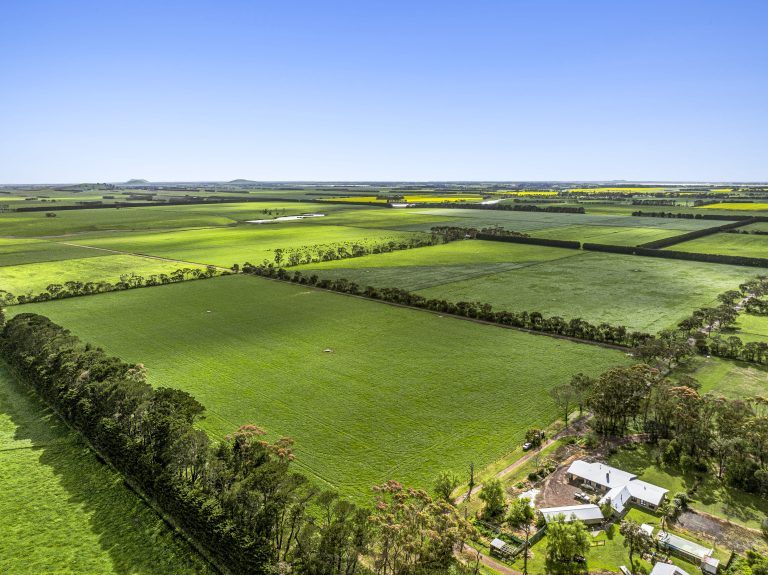
The Western District of Victoria encompasses prime sheep and cattle grazing country, characterized by volcanic soils, reliable rainfall, and established pastoral traditions. Properties in this region range from intensive sheep breeding operations to cattle fattening enterprises and mixed livestock systems combining multiple animal classes.
The volcanic plains and surrounding areas offer some of Victoria’s most valuable grazing land, with properties featuring productive improved pastures, quality livestock genetics, and infrastructure supporting efficient animal management. Many holdings in this region have been developed over generations, featuring well-maintained fencing, water systems, livestock handling facilities, and comfortable homesteads reflecting long-term family ownership.
When evaluating rural land for sale Victoria in the Western District, buyers should consider how property characteristics align with their intended livestock enterprise. Properties suited to prime lamb production may differ significantly from those optimal for cattle backgrounding or wool production. Understanding these enterprise-specific requirements helps buyers identify holdings that genuinely match their operational capabilities and market positioning strategies.
Northern Plains and Mallee Regions
Victoria’s northern plains and Mallee regions offer opportunities for extensive grazing operations and dryland cropping enterprises on larger land holdings. These areas experience lower rainfall than southern regions, requiring different management approaches and typically supporting lower carrying capacities for livestock or relying on grain production as the primary enterprise.
Properties in these regions often feature larger paddock sizes, less intensive subdivision, and infrastructure scaled for extensive rather than intensive management systems. Buyers accustomed to high-rainfall farming must adjust expectations regarding productivity per hectare, recognizing that successful operations in drier regions depend on scale, cost control, and management approaches suited to variable seasonal conditions.
The Mallee region’s agricultural potential has expanded significantly with technological advances in cropping practices and the availability of irrigation in some areas. Properties with irrigation access or potential for development attract particular interest from buyers seeking to intensify production systems, while dryland holdings appeal to those pursuing extensive grain production or opportunistic livestock enterprises.
Critical Assessment Criteria for Victorian Rural Properties
Soil Quality and Land Capability
Victoria’s diverse geology creates corresponding diversity in soil types, each with distinct characteristics affecting agricultural productivity. Volcanic soils in the Western District offer high fertility and moisture retention, while lighter sandy soils in some northern regions require different management approaches and may suit alternative enterprises.
Professional soil assessment provides objective analysis of nutrient status, pH levels, soil structure, and any limiting factors affecting productive capacity. Properties with comprehensive soil testing records enable buyers to understand exactly what they’re acquiring and plan appropriate fertilizer programs or enterprise selection. Soils affected by salinity, compaction, or other degradation issues may require significant investment for rehabilitation before achieving optimal productivity.
Understanding land capability extends beyond simple soil chemistry to encompass topography, drainage characteristics, erosion susceptibility, and practical considerations affecting machinery operation and livestock management. Properties with favorable topography typically command premium pricing through their operational advantages and lower management challenges.
We coordinate comprehensive agronomic assessments for clients, ensuring they receive detailed analysis of soil capability and productive potential before committing to rural property purchases. This due diligence process identifies both opportunities for productivity enhancement and constraints requiring attention or acceptance.
Water Resources and Infrastructure
Water security represents a fundamental requirement for successful agricultural operations, whether sourced from reliable rainfall, surface storage, groundwater resources, or irrigation entitlements. Victoria’s varied water availability across regions means assessment criteria differ significantly between high-rainfall southern areas and northern districts where irrigation or supplementary water proves essential.
Properties dependent on surface water storage require evaluation of dam capacity, catchment areas, water quality, and historical reliability through dry periods. Those with bore access need assessment of water quality, extraction licenses, reticulation infrastructure, and the sustainability of groundwater resources under various pumping scenarios. Understanding both quantity and quality of available water—and the infrastructure distributing it effectively—provides essential insight into property functionality.
For properties in irrigation districts, water entitlements require careful evaluation including allocation reliability, delivery rights, trading history, and any regulatory constraints affecting future use. Changes to water management policy can significantly impact property operations and values, making thorough investigation of water security and compliance essential components of due diligence when considering rural land for sale Victoria.
Infrastructure and Improvement Assessment
Rural property infrastructure encompasses improvements including fencing, yards, sheds, accommodation, and specialized facilities supporting specific agricultural enterprises. The condition and adequacy of existing infrastructure influences both immediate usability and near-term capital requirements—factors that should inform purchase price negotiations and financial planning.
Fencing quality affects stock control, pasture management flexibility, and biosecurity capabilities. Properties requiring extensive fencing repairs or upgrades face significant capital expenditure that should be reflected in pricing. Similarly, livestock handling facilities must suit the intended enterprise scale and type, with adequate yard capacity, modern crush facilities, and efficient design minimizing labor requirements during routine operations.
Dairy properties require assessment of dairy shed condition, milking equipment functionality, effluent management systems, and compliance with current regulatory requirements. Buyers inheriting aging dairy infrastructure must budget for potential upgrades or replacement, particularly where existing facilities don’t meet modern animal welfare standards or operational efficiency expectations.
Buildings including homesteads, worker accommodation, machinery sheds, and storage facilities contribute to property functionality and value. Structures in poor condition may require immediate attention or eventual replacement, representing capital requirements that affect overall investment returns and should inform purchase decisions.
Comparison of Victorian Rural Property Types
Property TypeRegional LocationPrimary CharacteristicsBuyer ConsiderationsIntensive Dairy FarmsGippsland, Northern Irrigation DistrictsHigh-rainfall or irrigation access, established dairy infrastructure, improved pastures, water entitlementsSpecialized dairy knowledge required, significant capital investment, intensive management demands, strong cash flow potentialPrime Grazing PropertiesWestern District, Southern RegionsQuality soils, reliable rainfall, developed pasture systems, livestock handling facilitiesProven livestock markets, premium land values, competitive acquisition environment, stable long-term performanceIrrigated Horticultural HoldingsNorthern Victoria, Specific MicroclimatesWater security, intensive infrastructure, specialized equipment, market connectivityHigh capital requirements, technical expertise needed, labor-intensive operations, premium return potentialExtensive Grazing OperationsNorthern Plains, Mallee RegionsLarger scale, lower intensity, variable rainfall, extensive management systemsScale economies important, seasonal risk management, lower per-hectare costs, operational flexibility needed
This comparison illustrates how different types of rural land for sale Victoria serve varied operational objectives and appeal to buyers with different experience levels, capital resources, and risk tolerance profiles.
How Agribusiness Horizons Supports Your Rural Property Acquisition
At Agribusiness Horizons, we bring specialized expertise to rural property transactions throughout Victoria and across Australia. Our comprehensive understanding of agricultural economics, regional market conditions, and property valuation methodologies positions us to provide exceptional support throughout your property search and acquisition process.
Our extensive network within Victoria’s agricultural sector provides access to both publicly marketed properties and confidential off-market opportunities. This privileged access often enables clients to evaluate quality rural holdings before general market exposure creates competitive pressure and potentially elevates pricing beyond comfortable investment levels. Early access to opportunities provides significant advantages in competitive markets.
We provide comprehensive transaction advisory services encompassing property identification, preliminary assessment, detailed due diligence coordination, financial analysis, and negotiation support. Our team arranges specialist assessments when required, including agronomic evaluation, water resource analysis, structural inspection of improvements, and environmental compliance review. This thorough investigation process ensures buyers understand exactly what they’re acquiring and identifies issues requiring resolution before purchase completion.
Throughout negotiation and transaction finalization, we advocate for client interests while managing inherent complexity in rural property acquisitions. Our experience means we anticipate potential complications, structure deals protecting buyer interests, and coordinate effectively with legal, financial, and regulatory professionals. When you partner with us to find rural land for sale Victoria meeting your requirements, you benefit from our commitment to achieving outcomes aligned with your objectives and our established reputation for professional excellence in agricultural property transactions.
Financial Planning for Rural Property Investment
Acquiring rural property demands comprehensive financial planning extending well beyond purchase price calculations. Total acquisition costs include legal fees, due diligence expenses, stamp duty, potential stock or equipment purchases if acquiring on a walk-in walk-out basis, and immediate capital requirements for any essential repairs or improvements needed before commencing operations.
Financing rural property acquisitions typically involves specialized agricultural lending products from financial institutions experienced with farming enterprises. Lenders assess borrowing capacity based on property productive capacity, historical or projected agricultural enterprise returns, buyer experience and financial strength, and confidence in proposed operational plans. Understanding lending criteria and preparing thorough business cases improves financing outcomes and potentially secures more favorable loan terms.
The relationship between property price, productive capacity, and agricultural enterprise returns requires realistic analysis accounting for both operational income and long-term capital appreciation potential. While Victorian rural land has demonstrated value appreciation over extended periods, annual operating returns vary based on seasonal conditions, commodity prices, input costs, and management effectiveness. Buyers should develop conservative financial projections acknowledging variability and allowing adequate buffer for challenging periods.
Tax considerations significantly affect purchase structuring decisions, with implications for ongoing operational taxation, depreciation benefits on improvements and plant, and potential capital gains treatment upon eventual disposal. Professional tax advice tailored to individual circumstances helps buyers optimize acquisition structures and understand complete financial implications of rural property ownership across operating and capital dimensions.
Victorian Rural Property Market Influences
Victoria’s rural property market responds to various influences including agricultural commodity prices, seasonal conditions, interest rates, investor sentiment, and broader economic factors affecting agricultural investment appetite. Understanding these market drivers helps buyers make informed timing decisions and develop realistic pricing expectations for properties matching their criteria.
Strong global demand for agricultural products supports underlying confidence in farming enterprise viability, though market conditions fluctuate based on seasonal rainfall, commodity price cycles, and economic factors affecting both producer profitability and investor interest. These fluctuations create varying conditions for buyers depending on specific timing and regional circumstances.
Succession transitions continue generating acquisition opportunities as established farming families consider retirement or portfolio restructuring. These succession-driven sales sometimes offer possibilities for acquiring well-maintained properties with proven operational histories, though quality holdings typically attract interest from multiple buyer groups creating competitive acquisition environments.
Investor interest in agricultural property as an asset class has influenced pricing in some regions, particularly for properties offering scale, established income streams, or development potential. While this investment activity can elevate pricing, opportunities remain for buyers across various property scales and regions depending on specific market conditions and property characteristics.
Operational Success Factors for Victorian Rural Properties
Successfully operating rural property requires much more than acquiring land and establishing agricultural enterprises. Effective farm management demands understanding of agronomic principles, livestock husbandry where relevant, seasonal planning, market timing, financial management, and numerous operational details collectively determining enterprise profitability and sustainability.
Labor requirements vary dramatically based on property size, enterprise type, and management intensity. Intensive dairy operations demand daily attention and reliable staff, while extensive grazing properties might be managed by owner-operators with seasonal casual assistance. Understanding realistic labor requirements and associated costs helps buyers develop accurate operational budgets and assess whether properties suit their intended management approach.
Marketing strategies significantly influence agricultural returns, with decisions about when to sell products, which market channels to target, and what quality specifications to achieve affecting prices realized. Properties positioned to supply premium market programs may generate superior returns compared to commodity sales, though meeting program requirements demands appropriate management systems and often compliance with specific protocols.
Risk management extends beyond seasonal variability to encompass market price fluctuations, biosecurity considerations, regulatory compliance, and operational safety. Properties with operational flexibility—such as multiple enterprise options or infrastructure supporting varied production systems—provide resilience valuable during challenging periods when particular enterprises face difficulty.
Emerging Trends Shaping Victorian Rural Property
Looking forward, several trends appear likely to influence opportunities and challenges within Victoria’s rural property sector. Technological advancement continues transforming agricultural operations, with precision farming tools, remote monitoring systems, and data-driven management approaches becoming increasingly accessible and valuable. Properties with infrastructure supporting technology adoption may appeal to progressive buyers seeking efficiency improvements and enhanced decision-making capabilities.
Sustainability considerations and environmental stewardship increasingly factor into rural property valuations and buyer preferences. Properties offering potential for carbon farming activities, biodiversity enhancement programs, or participation in environmental markets may generate additional revenue streams complementing traditional agricultural returns. Understanding how environmental opportunities might enhance property returns provides context for evaluating holdings with native vegetation or restoration potential.
Climate adaptation strategies shape buyer preferences, with growing recognition that properties offering climatic resilience, water security, or enterprise flexibility may provide advantages as weather patterns become more variable. Different regions and property types will likely perform differently under various climate scenarios, influencing long-term investment decisions for forward-thinking buyers.
Consumer preferences toward production methods, animal welfare, and environmental sustainability influence agricultural supply chains and potentially affect property values where holdings can credibly supply these premium markets. Properties suited to organic production, regenerative agriculture, or certified sustainable systems may attract particular buyer interest as these market segments expand.
Starting Your Victorian Rural Property Search
Beginning your search for rural property requires clarity about objectives, realistic assessment of capabilities and resources, and often professional guidance from specialists understanding Victoria’s diverse agricultural regions and current market conditions. While independently searching for rural land for sale Victoria remains possible, partnering with experienced advisors typically produces superior outcomes through better property matching, more effective negotiation, and comprehensive due diligence protecting investments.
Define core requirements early in your search process. Are you prioritizing specific geographic regions, particular enterprise types, certain scale parameters, infrastructure standards, or water security? Clear requirements focus searches on genuinely suitable properties rather than pursuing appealing but ultimately inappropriate opportunities not serving strategic objectives.
Consider both immediate operational requirements and longer-term strategic implications of acquisitions. Properties aligning with current capabilities while offering growth potential, operational flexibility, or strategic positioning within broader agricultural interests often represent the most successful purchases. Think beyond present situations to envision how rural holdings might serve evolving needs across years and decades.
Engage professional advisors early rather than attempting to navigate complex rural property transactions independently. Whether agronomists assessing productive capacity, legal experts reviewing contracts and title matters, or transaction specialists like our team providing market intelligence and negotiation support, expert input enhances decision quality and reduces acquisition risk.
Conclusion: Confident Decision-Making in Victorian Rural Property Investment
Victoria’s rural property market offers compelling opportunities across diverse regions, property types, and agricultural enterprises. Understanding what distinguishes superior rural land for sale Victoria from mediocre alternatives requires consideration of soil quality, water security, infrastructure adequacy, regional characteristics, and alignment with specific operational capabilities or investment strategies. The complexity of rural property transactions—spanning agronomic, financial, legal, and operational dimensions—underscores the value of professional guidance throughout acquisition processes.
At Agribusiness Horizons, we’re committed to helping buyers navigate Victoria’s rural property market with confidence, providing specialized knowledge and comprehensive support services leading to successful outcomes. Our experience facilitating agricultural property transactions, combined with our understanding of farming enterprise economics and regional market dynamics, positions us to serve as your trusted advisor throughout property search and acquisition journeys.
As you contemplate acquiring rural property in Victoria, consider these important questions: What specific property characteristics would genuinely support your intended agricultural enterprise and management approach? How do current market conditions compare to historical patterns, and what might that suggest about acquisition timing? What opportunities might exist in regions or property types that others overlook due to unfamiliarity or perceived constraints? How could professional advisory support improve both your access to quality opportunities and the terms you ultimately negotiate?
The answers to these questions shape acquisition strategies and ultimately determine success in securing rural property serving your objectives. We invite you to contact our team to discuss specific requirements and learn how our comprehensive services can support your search for Victorian rural land. Whether you’re seeking intensive dairy operations, prime grazing properties, horticultural holdings, or extensive farming enterprises, our expertise and commitment to client success make us the ideal partner for your property acquisition journey. Reach out today through our contact page at https://agribusinesshorizons.com/contact/ or call Rawdon Briggs directly at +61 428 651 144 to begin your conversation about finding the perfect rural property for your agricultural ambitions.