Ranches Australia: Your Guide to Premium Pastoral Properties and Cattle Stations
Australia’s vast pastoral landscapes support some of the world’s most impressive livestock operations. When exploring ranches Australia offers, investors discover extensive properties spanning thousands of hectares with sophisticated management systems. At Agribusiness Horizons, we specialize in facilitating transactions for premium pastoral properties and cattle stations throughout Australia’s major grazing regions. Our expertise encompasses livestock operation assessment, water infrastructure evaluation, and comprehensive financial analysis specific to extensive grazing enterprises. Connect with our specialized team to explore exceptional pastoral property opportunities with advisors who understand the unique characteristics of Australia’s ranching sector.
This comprehensive guide examines everything you need to know about Australian pastoral properties, from understanding regional variations to evaluating investment potential and navigating the complexities of large-scale livestock operations.
Understanding Australia’s Pastoral Property Landscape
Australia’s pastoral industry operates across vast regions where extensive grazing systems support cattle and sheep production on a scale unmatched in most countries. These properties, commonly called stations in Australian terminology, represent significant agricultural assets requiring specialized management expertise. The industry’s evolution reflects adaptation to challenging climatic conditions, innovative water management, and sustainable land stewardship practices.
Pastoral properties differ fundamentally from intensive agricultural operations, with lower stocking densities across larger land areas. This extensive approach suits Australia’s variable rainfall patterns and natural vegetation communities. Properties range from relatively modest holdings measured in thousands of hectares to massive stations spanning areas larger than some small countries. Understanding this scale and the associated management requirements forms the foundation for successful pastoral property investment.
The Australian pastoral sector demonstrates remarkable resilience through boom and bust cycles, supported by export market demand and domestic beef consumption. Properties with superior water infrastructure, strategic location, and proven management systems maintain strong value retention across market fluctuations. When evaluating ranches Australia provides, recognizing these fundamental characteristics helps investors identify quality pastoral opportunities.
Major Pastoral Regions Across Australia
Northern Territory Cattle Country
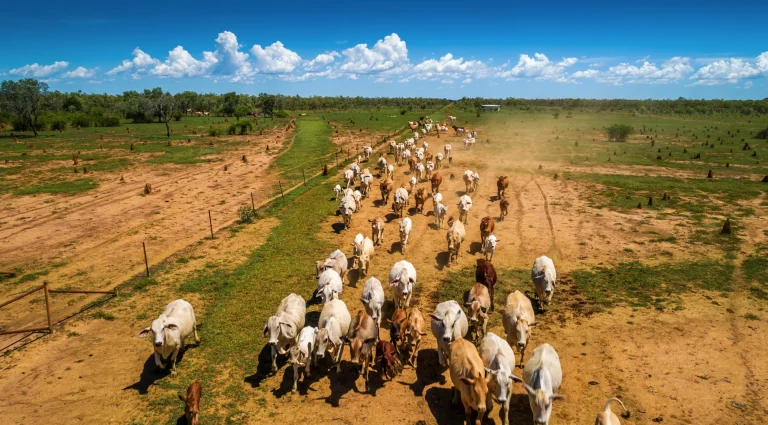
The Northern Territory represents Australia’s most extensive pastoral region, with vast cattle stations supporting significant beef production. Properties here operate across tropical and semi-arid zones where seasonal rainfall patterns dictate management practices. The region’s reputation for producing grass-fed beef aligned with live export markets creates unique commercial opportunities for pastoral investors.
Northern Territory stations typically feature extensive areas with relatively low development intensity compared to southern grazing properties. Infrastructure focuses on strategic water point development, stock handling facilities, and mustering infrastructure including yards and aircraft landing strips. Properties in this region suit investors seeking large-scale operations with growth potential through infrastructure development and management improvement.
Access to live export markets through northern ports significantly influences Northern Territory pastoral property values. Properties positioned for efficient stock transport to export facilities demonstrate strategic advantages. Understanding export market dynamics and regulatory frameworks affecting live cattle trade helps investors assess commercial viability for properties in this region.
Queensland’s Diverse Pastoral Zones
Queensland encompasses Australia’s most diverse pastoral landscapes, from tropical regions in the far north to semi-arid zones in the west and higher-rainfall grazing country in the southeast. This diversity creates opportunities across various production systems and investment scales. The state’s pastoral industry benefits from established infrastructure, processing facilities, and strong domestic and export market connections.
Central Queensland’s brigalow and semi-arid grazing lands support significant cattle operations combining breeding and finishing enterprises. Properties here benefit from reasonable infrastructure development while maintaining extensive operational scale. The region’s position between northern breeding areas and southern finishing zones creates strategic opportunities for integrated livestock operations.
Southern Queensland’s improved pasture country commands premium valuations reflecting higher carrying capacities and more intensive management potential. These properties often incorporate supplementary feeding programs and improved genetics supporting superior per-hectare productivity. Proximity to major processing facilities and domestic markets enhances operational efficiency and marketing flexibility.
Western Australia’s Remote Pastoral Properties
Western Australia’s pastoral zones extend across the state’s northern regions where tropical conditions support extensive cattle operations. These remote properties represent some of Australia’s largest pastoral holdings, with many stations measuring hundreds of thousands of hectares. The region’s relative isolation creates unique operational challenges and opportunities for investors willing to embrace remote area management.
Pilbara region pastoral properties increasingly balance traditional grazing operations with alternative revenue streams including tourism and natural resource agreements. Mining activity throughout the Pilbara creates opportunities for access agreements and compensation arrangements supplementing pastoral income. Properties positioned near mining developments may command premiums reflecting these additional revenue potential.
Kimberley pastoral properties benefit from reliable tropical rainfall patterns supporting consistent forage production. The region’s spectacular landscapes and cultural significance create tourism potential for properties with suitable infrastructure and strategic positioning. Understanding tourism development potential alongside traditional pastoral operations helps investors assess complete value propositions for Kimberley stations.
Investment Considerations for Pastoral Properties
Water Infrastructure and Development
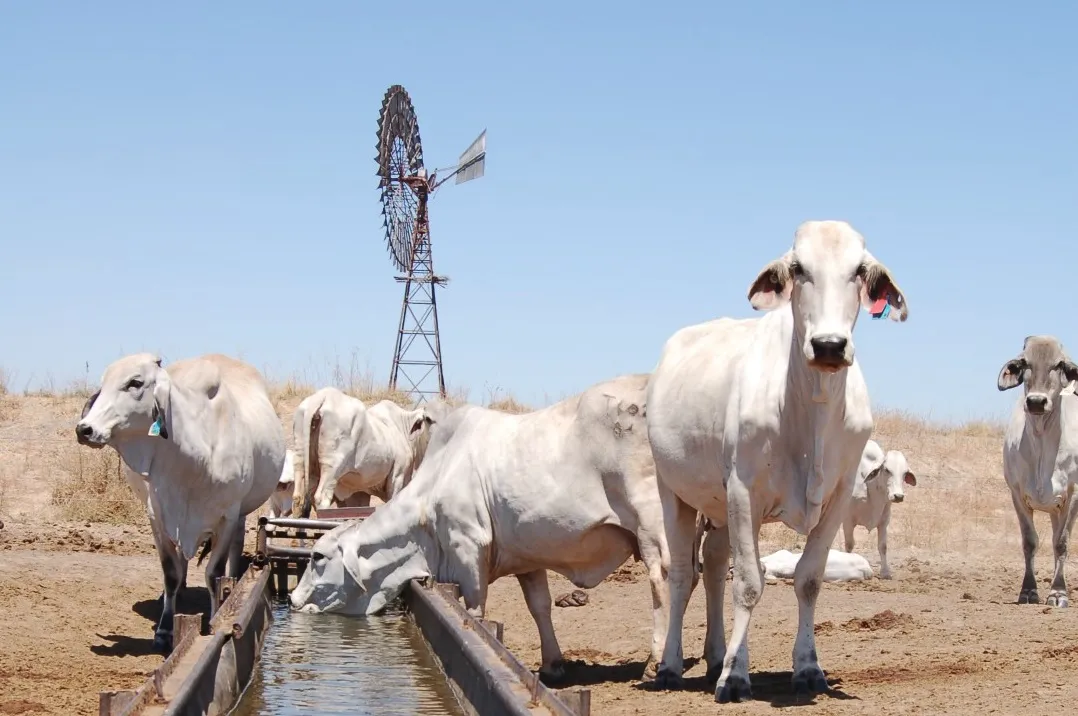
Water infrastructure represents the most critical factor determining pastoral property carrying capacity and operational viability. Properties with comprehensive water point distribution enable efficient land utilization and livestock management. Strategic bore placement, dam construction, and reticulation systems optimize grazing distribution while supporting animal welfare and production performance.
Modern pastoral properties increasingly feature sophisticated water monitoring and management systems. Solar-powered pumps, automated trough systems, and remote monitoring technology reduce operational costs while improving management efficiency. Properties with modern water infrastructure demonstrate operational advantages through reduced labor requirements and enhanced livestock management capabilities.
Water security considerations extend beyond immediate operational requirements to include long-term sustainability and climate resilience planning. Properties demonstrating diversified water sources including groundwater, surface storage, and natural watercourses show superior resilience during drought periods. Understanding regional water availability trends and property-specific water security profiles informs investment risk assessment for ranches Australia presents.
Land Condition and Carrying Capacity
Land condition assessment forms a crucial component of pastoral property evaluation, determining sustainable stocking rates and long-term productivity potential. Vegetation health, soil stability, and erosion management all influence carrying capacity and property values. Properties demonstrating responsible land management through appropriate stocking practices and vegetation conservation maintain superior long-term productivity.
Carrying capacity varies significantly across Australian pastoral regions reflecting rainfall reliability, vegetation communities, and management practices. Properties with conservative stocking histories often demonstrate superior land condition compared to overgrazed alternatives. Understanding sustainable stocking rates based on long-term rainfall averages helps investors assess realistic production expectations and financial planning requirements.
Land development opportunities through pasture improvement, weed control, and infrastructure investment can enhance property carrying capacity and values. Strategic development programs deliver returns through increased stocking rates and improved livestock performance. Assessing development potential alongside current property condition helps investors identify value enhancement opportunities within pastoral portfolios.
Financial Analysis for Pastoral Property Investments
Production Economics and Revenue Modeling
Pastoral property financial performance depends primarily on livestock production systems, market pricing, and operational efficiency. Understanding achievable weaning rates, turnoff weights, and price realization helps investors assess property financial potential. Our financial analysis services provide comprehensive revenue modeling incorporating production variability, cost structures, and market price scenarios specific to pastoral operations.
Breeding operations generate revenue through calf sales with income concentrated in annual selling periods. Financial planning must accommodate seasonal cash flow patterns with extended periods between revenue events. Properties with diversified production systems including breeding, backgrounding, and finishing operations demonstrate more consistent cash flow compared to single-enterprise alternatives.
Operational costs for pastoral properties include significant expenditures on mustering, animal health, supplementary feeding, and infrastructure maintenance. Labor costs vary considerably depending on property scale, management systems, and infrastructure quality. Properties with efficient operational systems and modern infrastructure typically demonstrate superior cost structures supporting stronger financial returns.
Capital Requirements and Asset Assessment
Pastoral property acquisitions require substantial capital commitments with values reflecting land area, infrastructure quality, water security, and operational performance. Properties with comprehensive development including buildings, yards, water systems, and fencing command premium pricing compared to underdeveloped alternatives. Understanding complete capital requirements including immediate infrastructure needs helps investors assess total investment obligations.
Livestock inventories often form significant asset components in pastoral property transactions. Cattle valuations require expert assessment considering animal quality, breeding values, and market conditions. Properties sold with livestock provide immediate operational capability but increase total capital requirements compared to property-only transactions.
Plant and equipment inventories including vehicles, machinery, and aircraft represent additional capital considerations. Understanding equipment condition, replacement requirements, and operational necessity helps buyers plan capital expenditure. Comprehensive asset assessment identifies immediate requirements and long-term replacement planning considerations supporting sustainable operational budgets.
Management Systems and Operational Excellence
Mustering and Livestock Handling
Effective mustering systems underpin successful pastoral operations, enabling efficient livestock management and marketing flexibility. Modern operations utilize helicopter mustering, motorcycle operations, and strategic yard placement optimizing labor efficiency. Properties with well-designed mustering infrastructure demonstrate operational advantages through reduced labor costs and improved animal handling.
Livestock handling facility design significantly impacts operational efficiency and animal welfare outcomes. Modern yards incorporate cattle psychology principles supporting low-stress handling and improved livestock performance. Properties featuring contemporary handling facilities attract premium buyer interest reflecting their operational advantages and animal welfare compliance capabilities.
Remote area mustering presents unique challenges requiring specialized equipment and experienced personnel. Properties in isolated regions typically maintain mustering aircraft, supporting infrastructure, and relationships with professional mustering contractors. Understanding regional mustering practices and contractor availability helps investors assess operational complexity and cost structures.
Breeding Programs and Genetic Improvement
Sophisticated breeding programs enhance livestock quality and financial returns through genetic improvement. Modern pastoral operations utilize performance recording, artificial breeding technologies, and strategic bull selection optimizing genetic progress. Properties with established breeding programs and superior genetics demonstrate enhanced revenue potential through improved offspring performance and market positioning.
Bull breeding operations require additional infrastructure including specialized paddocks, handling facilities, and bull management systems. Properties suited to bull breeding may access premium markets through production of replacement bulls for commercial operations. Understanding breeding operation requirements and market opportunities helps investors assess diversification potential within pastoral enterprises.
Female selection and culling strategies significantly influence breeding operation productivity and profitability. Properties with proven female genetics and documented performance demonstrate superior breeding foundations. Comprehensive livestock assessment during due diligence identifies genetic quality and breeding program effectiveness supporting realistic production forecasting.
Transaction Process for Pastoral Properties
Property Identification and Preliminary Assessment
Successful pastoral property acquisition begins with clearly defined investment criteria aligned with management capabilities and financial objectives. Understanding preferred property scale, acceptable remoteness, and desired production systems focuses property search efforts. Our team identifies suitable pastoral properties through both public marketing channels and exclusive off-market opportunities common in pastoral property transactions.
Initial property assessment evaluates key characteristics before committing to comprehensive due diligence. Site inspections accompanied by pastoral industry specialists provide insights into infrastructure condition, land quality, and operational systems. Aerial inspections often supplement ground-based assessment for large pastoral properties, enabling comprehensive evaluation of extensive land areas.
Financial feasibility analysis determines whether properties align with investment parameters before proceeding to formal offers. Understanding total acquisition costs including livestock inventories, operational requirements, and achievable returns supports informed decision-making. Our financial modeling services provide detailed projections enabling confident investment decisions for pastoral property acquisitions.
Comprehensive Due Diligence Requirements
Due diligence for pastoral properties requires specialized expertise addressing unique operational and regulatory considerations. Title verification confirms property boundaries, identifies encumbrances, and clarifies any native title considerations affecting property use. Water license validation ensures legal access to groundwater resources and confirms extraction entitlements supporting operational requirements.
Land condition assessment by qualified range management specialists evaluates vegetation health, erosion risk, and sustainable carrying capacity. This assessment informs realistic stocking rate projections and identifies any land degradation requiring remediation. Understanding property condition relative to regional benchmarks helps buyers assess investment quality and management requirements.
Infrastructure assessment examines buildings, yards, water systems, fencing, and access roads determining maintenance standards and replacement requirements. Properties with deferred maintenance may require significant capital investment affecting acquisition economics. Comprehensive infrastructure evaluation quantifies immediate capital needs and long-term replacement planning considerations.
How Agribusiness Horizons Facilitates Pastoral Property Transactions
At Agribusiness Horizons, we bring specialized expertise to pastoral property transactions that general agricultural brokers cannot match. Our deep understanding of extensive livestock operations, water resource management, and pastoral economics helps clients make informed decisions. We combine this technical knowledge with sophisticated transaction management capabilities delivering comprehensive service throughout acquisition or divestment processes.
Our extensive network throughout Australia’s pastoral regions provides access to both publicly marketed properties and exclusive off-market opportunities. Long-standing relationships with pastoral families and industry participants create early awareness of properties before wider market knowledge develops. This network advantage helps clients access premium stations potentially unavailable through traditional marketing channels.
Transaction coordination services manage complex processes from initial negotiation through to settlement and operational handover. We liaise with legal teams, coordinate specialized due diligence activities, and manage condition precedent requirements ensuring efficient transaction progression. Our comprehensive approach protects client interests while facilitating smooth property transfers for these large-scale agricultural assets.
Post-settlement support ensures successful operational transitions for both buyers and sellers. We coordinate introductions to stock agents, veterinarians, and mustering contractors supporting operational continuity. Our ongoing advisory services help clients optimize pastoral operations and maximize long-term investment returns through strategic management decisions.
Regional Market Dynamics and Investment Trends
Northern Pastoral Property Markets
Northern Australian pastoral markets demonstrate cyclical patterns influenced by live export demand, seasonal conditions, and domestic beef prices. Properties with reliable water and strong operational infrastructure maintain consistent demand from both domestic and international investors. The region’s position supplying live export markets creates unique commercial dynamics affecting property valuations and transaction volumes.
Foreign investment interest in northern pastoral properties reflects global demand for food production assets and Australian agricultural exposure. Understanding Foreign Investment Review Board requirements and approval processes helps international buyers navigate regulatory frameworks. Properties attractive to foreign investors often feature scale, development potential, and strategic market positioning supporting commercial livestock operations.
Infrastructure development programs throughout northern Australia create opportunities for property value enhancement through improved transport networks and processing capacity. Properties positioned to benefit from infrastructure improvements may offer superior returns through strategic acquisition timing. Monitoring regional development initiatives informs investment decision-making and timing strategies.
Southern High-Rainfall Country
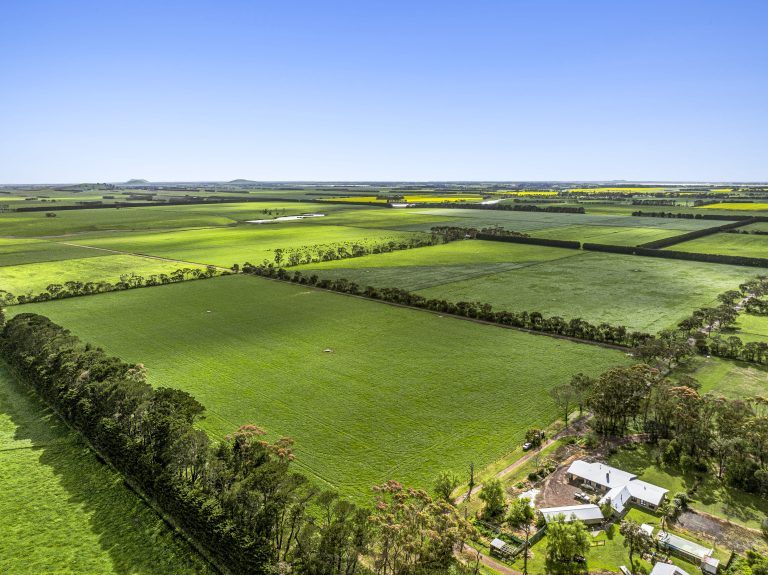
Southern Australia’s higher-rainfall grazing regions command premium valuations reflecting superior carrying capacities and more intensive production systems. Properties in these regions support higher stocking densities with greater management intensity compared to northern extensive operations. Market demand remains strong from established livestock producers seeking consolidation or diversification opportunities.
Succession planning considerations increasingly influence southern pastoral property markets as established families transition operations. Off-market transactions remain common as families prefer discreet property transfers outside public marketing processes. Strong relationships within pastoral communities provide access to these exclusive opportunities unavailable through public channels.
Climate variability increasingly influences southern pastoral property investment decisions as drought frequency impacts operational viability. Properties demonstrating climate resilience through diversified water sources and conservative management histories attract premium buyer interest. Understanding climate risk and adaptation strategies helps investors assess long-term sustainability when evaluating ranches Australia southern regions provide.
Sustainability and Environmental Stewardship
Land Management and Conservation
Responsible land management practices enhance both environmental outcomes and long-term property values. Sustainable grazing strategies maintaining appropriate stocking rates preserve vegetation health and soil stability. Properties demonstrating environmental stewardship through conservation areas, erosion control, and native vegetation protection attract investors prioritizing sustainability alongside financial returns.
Rotational grazing systems optimize pasture utilization while supporting vegetation recovery and land health maintenance. Modern pastoral operations implement strategic grazing programs based on pasture assessment and seasonal conditions. Properties with established rotational grazing infrastructure including paddock subdivision and water point distribution demonstrate management sophistication valued by discerning buyers.
Fire management represents a critical component of northern pastoral operations where strategic burning maintains pasture quality and reduces wildfire risk. Properties with proven fire management programs demonstrate responsible land stewardship and operational professionalism. Understanding regional fire management requirements and best practices helps buyers assess management obligations and operational complexity.
Natural Capital and Biodiversity Conservation
Emerging natural capital markets create additional revenue opportunities for pastoral properties through carbon farming and biodiversity conservation programs. Properties with vegetation regeneration potential or conservation value may access environmental credit markets supplementing pastoral income. Our natural capital advisory services help clients identify and optimize these emerging value streams within pastoral operations.
Indigenous land management partnerships increasingly feature in northern pastoral operations where traditional owners maintain connections to country. Collaborative management arrangements can enhance property values through cultural tourism opportunities and environmental stewardship programs. Understanding native title considerations and potential partnership opportunities helps investors assess complete value propositions.
Wildlife conservation initiatives on pastoral properties create tourism potential and conservation income streams. Properties featuring unique ecosystems or endangered species habitat may access conservation funding while maintaining grazing operations on suitable land. Strategic integration of conservation objectives with commercial livestock production enhances long-term property values and operational sustainability.
Future Outlook for Australian Pastoral Properties
Australia’s pastoral industry faces evolving challenges and opportunities as global meat markets develop and climate patterns shift. Export market access remains crucial for industry sustainability, with trade relationships and biosecurity requirements influencing property values. Properties positioned for efficient stock transport to export facilities or processing plants demonstrate strategic advantages in evolving market environments.
Technology adoption throughout pastoral operations continues accelerating with satellite monitoring, remote sensing, and data analytics transforming traditional management practices. Properties equipped for technology integration or featuring characteristics enabling efficient technology adoption may command premium valuations. Understanding technology trends and infrastructure requirements helps identify properties positioned for productivity improvements through digital agriculture advancement.
Climate adaptation strategies will increasingly differentiate successful pastoral operations from struggling alternatives. Properties demonstrating resilience through diversified water sources, conservative management, and infrastructure supporting varied production systems show enhanced sustainability. Forward-thinking investors incorporate climate scenario planning into acquisition decisions positioning portfolios for long-term viability.
Practical Considerations for Pastoral Property Ownership
Remote Area Management Challenges
Managing remote pastoral properties requires specialized skills and resources addressing isolation challenges. Understanding communication systems, emergency response capabilities, and staff accommodation requirements helps investors assess operational complexity. Properties with modern amenities and reliable communications infrastructure demonstrate advantages in attracting and retaining skilled management personnel.
Logistics and supply chain management represent significant operational considerations for remote pastoral properties. Understanding freight costs, supplier relationships, and inventory management requirements helps buyers plan operational budgets. Properties with established supply networks and efficient logistics arrangements demonstrate operational sophistication reducing management complexity for new owners.
Staff recruitment and retention challenges influence operational success for pastoral properties, particularly in remote regions. Properties with quality accommodation, modern facilities, and attractive living conditions attract skilled personnel more readily than properties with substandard amenities. Assessing staff infrastructure and recruitment feasibility helps buyers understand human resource considerations affecting operational viability.
Regulatory Compliance and Industry Standards
Pastoral operations must comply with numerous regulatory requirements spanning animal welfare, biosecurity, environmental protection, and workplace safety. Understanding applicable regulations and compliance obligations protects buyers from unexpected regulatory burdens. Our due diligence processes identify regulatory issues requiring attention and help buyers understand ongoing compliance requirements.
Livestock traceability systems including National Livestock Identification System compliance represent essential operational requirements. Properties with proven compliance records and established systems demonstrate operational professionalism. Understanding traceability obligations and documentation requirements helps new owners maintain regulatory compliance from day one of operations.
Animal welfare standards increasingly influence market access and consumer acceptance. Properties demonstrating commitment to animal welfare through appropriate handling facilities, management practices, and staff training attract premium buyers. Understanding animal welfare requirements and industry expectations helps investors assess operational standards and potential improvement requirements.
Comparison of Pastoral Property Types and Production Systems
Understanding different pastoral property characteristics across Australian regions helps align acquisitions with investment objectives. Northern breeding operations focus on calf production with extensive management systems and large land areas. These properties suit investors seeking scale opportunities with moderate management intensity and tolerance for seasonal production variability.
Backgrounding and growing operations purchase young cattle developing them for feedlot or direct market finishing. These properties require superior feed quality supporting consistent animal growth rates. Higher carrying capacities and more intensive management distinguish backgrounding operations from breeding enterprises, appealing to investors seeking greater per-hectare productivity.
Integrated operations combining breeding, backgrounding, and finishing enterprises provide diversification benefits through multiple income streams and marketing flexibility. These sophisticated operations require comprehensive infrastructure and management expertise but demonstrate reduced exposure to single market segments. Properties supporting integrated operations command premiums reflecting their operational flexibility and risk management advantages.
Specialist breeding operations focusing on seedstock production supply bulls to commercial producers. These enterprises require additional infrastructure including bull handling facilities and demonstrate complex management requiring technical expertise. Properties suited to seedstock production access premium markets through superior genetics and performance recording but require specialized knowledge for successful operation.
Conclusion: Strategic Investment in Australian Pastoral Properties
Australia’s pastoral industry offers compelling opportunities for investors seeking large-scale agricultural assets with long-term value appreciation potential. When evaluating ranches Australia provides, understanding regional variations, operational requirements, and management systems ensures informed investment decisions. From tropical Northern Territory cattle stations to southern high-rainfall grazing properties, Australian pastoral landscapes support diverse production systems accommodating varied investment strategies.
Professional advisory services deliver significant value through specialized pastoral industry knowledge, comprehensive due diligence, and expert transaction management. At Agribusiness Horizons, we combine deep understanding of extensive livestock operations with sophisticated financial analysis and transaction coordination capabilities. Our commitment to client success encompasses the entire investment journey from initial property identification through operational transition support.
As you consider pastoral property investment opportunities, several important questions deserve careful consideration: How will climate variability and water security affect your target property’s long-term carrying capacity? What infrastructure investments might enhance operational efficiency and property values? How does your acquisition strategy position you for emerging trends including natural capital markets and sustainability requirements?
Ready to explore exceptional Australian pastoral property opportunities? Contact Agribusiness Horizons today to discuss your pastoral investment objectives with our specialized advisory team. We bring extensive experience facilitating successful pastoral property transactions throughout Australia’s major grazing regions, helping clients identify, evaluate, and acquire quality pastoral properties. Our comprehensive approach ensures you benefit from expert guidance throughout every stage of your pastoral property investment journey.
Primary Contact: Rawdon Briggs
Phone: +61 428 651 144
Email: [email protected]
Website: https://agribusinesshorizons.com
Discover our specialized services: