Navigating Rural Property for Sale WA: Your Complete Guide to Agricultural Land Investment
Western Australia represents one of the most diverse and promising agricultural landscapes in the country, offering prospective buyers an extraordinary range of farming and rural opportunities. Whether you’re seeking expansive cattle stations in the Kimberley, premium horticultural land in the southwest, or grain-producing properties in the wheatbelt, understanding the nuances of rural property for sale WA requires specialized knowledge and strategic insight. At Agribusiness Horizons, we bring decades of experience in facilitating high-value agricultural transactions across Western Australia, helping buyers and sellers achieve exceptional outcomes in this dynamic market. If you’re considering entering the WA rural property market, we encourage you to contact our team for expert guidance tailored to your specific investment goals. This comprehensive guide will walk you through the essential considerations, opportunities, and strategic approaches to successfully acquiring agricultural land in Western Australia.
Understanding Western Australia’s Agricultural Property Landscape
Western Australia’s agricultural sector has undergone remarkable transformation over recent decades, establishing itself as a powerhouse in both domestic food production and international export markets. The state encompasses vastly different climatic zones and soil types, creating unique opportunities for various agricultural enterprises. From the high-rainfall regions of the southwest supporting intensive horticulture and viticulture to the semi-arid pastoral zones ideal for extensive grazing operations, WA offers unparalleled diversity.
The demand for rural property for sale WA has remained consistently robust, driven by both domestic investors seeking portfolio diversification and international buyers recognizing the stability and quality of Australian agricultural assets. Water security, technological advancement, and proximity to Asian export markets have all contributed to the state’s appeal. Properties with established infrastructure, reliable water access, and proven productivity records command particular interest from serious agricultural investors.
Climate resilience has become increasingly important in property selection, with buyers prioritizing locations that demonstrate adaptability to variable rainfall patterns. The state government’s ongoing investment in rural infrastructure, including road networks and port facilities, has enhanced the accessibility and viability of agricultural operations across diverse regions. Understanding these foundational elements provides crucial context for anyone exploring agricultural investment opportunities in Western Australia.
Key Regions and Property Types in Western Australia
Southwest Agricultural Zone
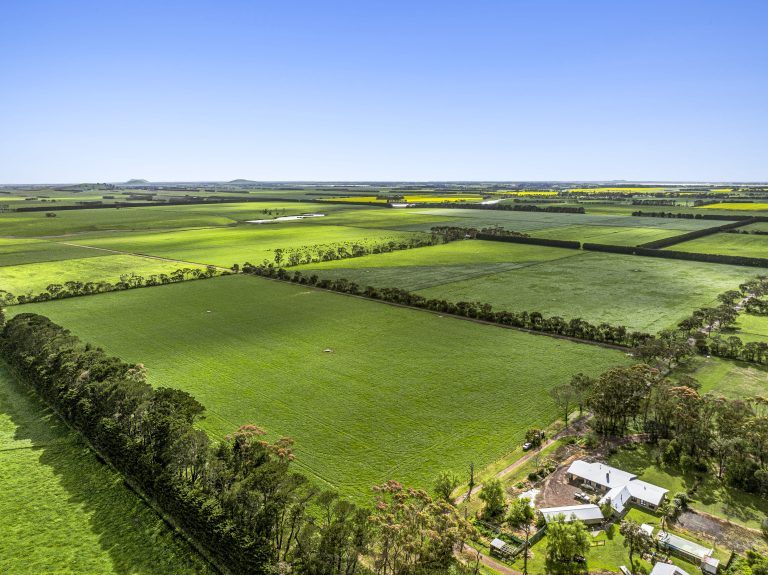
The southwest corner of Western Australia consistently attracts premium interest from buyers seeking intensive agricultural opportunities. This region supports diverse enterprises including dairy operations, beef cattle breeding, sheep farming, viticulture, and various horticultural ventures. The combination of reliable rainfall, fertile soils, and established markets makes this area particularly attractive for both experienced operators and new entrants to agriculture.
Properties in this zone typically feature well-developed infrastructure, including modern homesteads, machinery sheds, livestock handling facilities, and comprehensive fencing systems. Water resources often include a combination of natural springs, dams, and bore water, providing security across seasonal variations. The proximity to major population centers and processing facilities reduces logistics costs while maintaining access to skilled labor and agricultural services.
Wheatbelt Region
The wheatbelt represents the heart of Western Australia’s broadacre cropping industry, producing significant volumes of grain for domestic consumption and export. When evaluating rural property for sale WA in this region, buyers focus heavily on soil quality, historical yield data, and access to receival points. Properties with proven cropping history and modern farming technology installed command strong market interest.
Successful wheatbelt operations increasingly incorporate diverse crop rotations, livestock integration, and precision agriculture technologies to optimize productivity and manage risk. The region’s properties vary considerably in scale, from smaller operations suitable for family farming to extensive aggregations managed by corporate agricultural enterprises. Understanding the specific characteristics of different soil types and rainfall zones within the wheatbelt proves essential for making informed investment decisions.
Northern Pastoral Zone
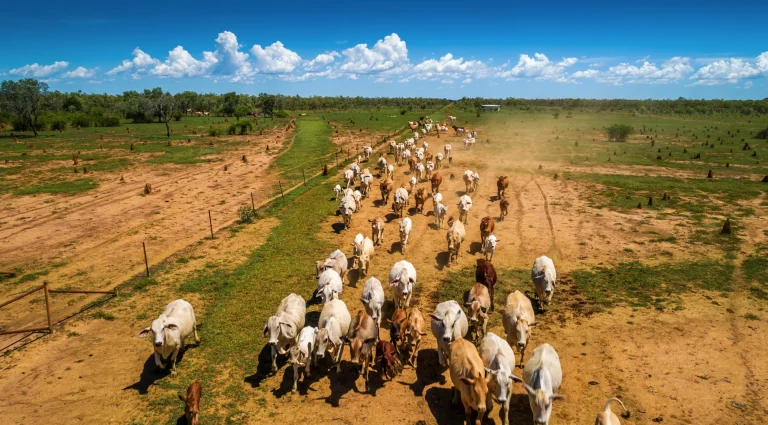
The extensive pastoral regions of northern Western Australia offer unique opportunities for large-scale cattle operations. These properties typically measure in the tens or hundreds of thousands of hectares, supporting breeding programs and live export operations. The remote nature of these holdings requires substantial operational expertise and significant capital investment in infrastructure and livestock.
Buyers considering pastoral properties must carefully evaluate water points, fencing conditions, genetic quality of existing livestock, and historical carrying capacity. The seasonal nature of northern rainfall creates specific management challenges that experienced pastoralists understand and plan for accordingly. Access to markets, whether through live export channels or domestic processing, significantly influences property values and operational viability in these regions.
Strategic Considerations for Buyers
Acquiring agricultural land represents a significant financial commitment requiring thorough due diligence and strategic planning. Successful buyers approach rural property for sale WA with clear objectives, realistic assessments of their operational capabilities, and comprehensive understanding of market dynamics. We work closely with clients to ensure they evaluate properties against their specific goals, whether focused on capital appreciation, income generation, or lifestyle considerations.
Financial structuring plays a crucial role in agricultural property acquisition, with various lending options available depending on the buyer’s circumstances and the property’s characteristics. Working with financial institutions familiar with agricultural lending ensures access to appropriate loan products and favorable terms. Many buyers also consider partnership structures or syndication arrangements to access larger or more valuable properties than they could acquire individually.
The timing of acquisitions can significantly impact both purchase price and subsequent operational success. Understanding seasonal factors, commodity price cycles, and broader economic conditions helps buyers identify optimal purchasing opportunities. Properties transitioning between owners during challenging seasonal conditions sometimes present value opportunities for buyers with patience and adequate working capital to weather initial establishment periods.
Due Diligence and Risk Assessment
Comprehensive due diligence separates successful agricultural investments from problematic acquisitions. When evaluating rural property for sale WA, buyers must examine multiple dimensions of risk including legal, environmental, operational, and financial factors. At Agribusiness Horizons, we coordinate thorough assessment processes that protect our clients’ interests and provide complete transparency about potential challenges.
Land tenure verification ensures clear title and identifies any encumbrances, easements, or restrictions that might impact operations or future development. Environmental assessments evaluate soil contamination risks, presence of protected species, and compliance with conservation regulations. Water rights require particular attention, as allocation entitlements and license conditions directly affect operational capacity and property values.
Operational history provides valuable insights into property performance under various management approaches and seasonal conditions. Reviewing previous production records, input costs, and enterprise margins helps establish realistic expectations for future performance. Infrastructure condition assessment identifies necessary capital investments and helps buyers budget appropriately for establishment costs beyond the purchase price.
Comparison of Western Australian Agricultural Regions
RegionPrimary EnterprisesWater AvailabilityInfrastructure RequirementsOperational ComplexitySouthwestDairy, horticulture, viticulture, mixed farmingHigh reliability from rainfall and groundwaterWell-developed facilities expectedModerate with intensive managementWheatbeltBroadacre cropping, sheep, integrated livestockModerate with seasonal variationModern machinery and storage essentialModerate with technology focusNorthern PastoralExtensive cattle operationsSeasonal with bore water dependenceSubstantial investment in remote facilitiesHigh with environmental challengesCoastal PlainsHorticulture, viticulture, intensive livestockGenerally reliable with irrigation systemsPremium facilities for specialized productionModerate to high depending on enterpriseEastern GoldfieldsPastoral grazing, emerging opportunitiesLimited requiring water infrastructureBasic to moderate facilitiesHigh with distance and climate factors
This comparison illustrates the diverse characteristics across Western Australia’s agricultural zones, each offering distinct opportunities for buyers with appropriate expertise and resources.
How Agribusiness Horizons Supports Your Property Search
Our specialized approach to rural property for sale WA transactions combines deep agricultural knowledge with comprehensive market intelligence and established buyer networks. We understand that acquiring farmland represents both a significant financial investment and a lifestyle decision for many buyers, requiring sensitivity to individual circumstances alongside rigorous commercial analysis.
Through our strategic advisory services, we help buyers develop clear acquisition criteria aligned with their long-term objectives. Our team conducts preliminary assessments of potential properties, identifying both opportunities and concerns before buyers commit significant time and resources to detailed inspections. This filtering process ensures clients focus their attention on properties genuinely matching their requirements.
Our comprehensive due diligence support coordinates legal, environmental, and agronomic assessments, providing buyers with complete information to make confident decisions. We maintain relationships with leading agricultural consultants, legal practitioners, and financial institutions, facilitating efficient transaction processes. Our negotiation expertise consistently secures favorable terms for buyers, whether addressing purchase price, settlement conditions, or inclusion of livestock and equipment.
Beyond transaction completion, we provide post-purchase transition support helping new owners establish operations successfully. This includes introductions to local contractors, agronomic advisors, and neighboring operators, accelerating the establishment phase. We also assist with operational planning, budgeting, and enterprise selection to optimize property performance under new ownership.
Emerging Trends in Western Australian Agricultural Property
The agricultural property market continues evolving in response to technological advancement, climate considerations, and changing consumer preferences. Understanding these trends helps buyers identify properties positioned to capitalize on future opportunities rather than simply reflecting current market conditions.
Water security has emerged as a premium consideration, with properties featuring diverse water sources and modern storage infrastructure commanding substantial interest. Investment in water efficiency technologies, including advanced irrigation systems and soil moisture monitoring, increasingly differentiates properties in the market. The development of water trading markets has also created new value streams for properties holding significant allocations.
Environmental sustainability and carbon farming present emerging opportunities for agricultural landholders. Properties with potential for vegetation enhancement, soil carbon sequestration, or biodiversity conservation may generate additional income streams alongside traditional agricultural enterprises. Forward-thinking buyers increasingly evaluate these potential value additions when assessing rural property for sale WA.
Technology integration continues reshaping agricultural operations, with precision agriculture, automated machinery, and data analytics improving productivity and profitability. Properties with established technology infrastructure or characteristics amenable to technology adoption attract particular interest from sophisticated agricultural investors. The ability to monitor and manage operations remotely has also expanded the pool of potential buyers beyond traditional full-time farmers.
Practical Steps for International and Interstate Buyers
Buyers from outside Western Australia face additional considerations when entering the market, including understanding local regulations, establishing operational management, and adapting to regional conditions. International investors must navigate Foreign Investment Review Board requirements, which apply to agricultural land acquisitions above certain thresholds. Early engagement with legal advisors familiar with these processes ensures compliance and avoids unnecessary delays.
Establishing reliable property management arrangements proves essential for absentee owners, whether engaging experienced farm managers or entering partnership arrangements with local operators. The quality of management directly impacts both operational performance and long-term asset values. We assist clients in identifying and vetting potential management partners, ensuring alignment of interests and appropriate governance structures.
Understanding regional agricultural practices, seasonal patterns, and local market conditions requires investment of time and often benefits from guidance by professionals with established local networks. Attending field days, engaging with industry organizations, and building relationships with neighboring properties helps newcomers integrate into agricultural communities. These connections provide valuable knowledge sharing and access to local resources that enhance operational success.
Financial Structuring and Investment Returns
Agricultural property investment requires careful financial planning considering both capital appreciation and operational returns. The diverse range of rural property for sale WA offers varied return profiles depending on enterprise type, property characteristics, and management approach. Realistic expectations based on thorough financial analysis help buyers structure appropriate funding arrangements and operational budgets.
Working capital requirements vary significantly across different agricultural enterprises, with intensive operations typically requiring substantial ongoing investment in inputs, labor, and maintenance. Understanding the seasonal cash flow patterns of intended enterprises helps buyers structure financing to avoid liquidity pressures during establishment phases. Many lenders offer specialized agricultural loan products with flexible repayment terms aligned to production cycles.
Portfolio diversification through agricultural property investment attracts institutional investors, family offices, and high-net-worth individuals seeking tangible assets with inflation protection characteristics. The correlation between agricultural returns and general equity markets tends to be low, providing genuine diversification benefits. Additionally, agricultural land has historically maintained value through economic cycles, although individual property performance varies based on multiple factors.
Tax considerations significantly impact net returns from agricultural property investment, with various concessions and structures available to optimize outcomes. Engaging specialist agricultural accountants early in the acquisition process helps buyers structure ownership appropriately and understand available deductions and concessions. Depreciation schedules, capital gains tax provisions, and income averaging all influence actual after-tax returns.
Navigating Market Conditions and Timing Your Purchase
Market timing influences both acquisition pricing and subsequent operational establishment. Understanding cyclical patterns in agricultural commodity markets, interest rate environments, and seasonal factors helps buyers identify favorable purchasing opportunities. While attempting to time markets perfectly proves elusive, awareness of market conditions enables more informed decision-making.
Properties marketed during challenging seasonal conditions or following periods of lower commodity prices sometimes present value opportunities for buyers with adequate capital reserves. Sellers facing succession pressures, debt servicing challenges, or lifestyle changes may accept offers below peak market values, particularly for settlements that accommodate their specific circumstances. Patient buyers willing to conduct extensive market analysis often identify these opportunities.
Competitive tension in agricultural property markets varies significantly across regions and property types. Premium properties in highly sought locations with strong infrastructure and proven performance typically attract multiple interested buyers, driving competitive bidding processes. Understanding the level of market activity for different property categories helps buyers develop appropriate negotiation strategies and realistic price expectations.
The relationship between rural property for sale WA listings and actual transaction volumes provides insights into market sentiment and momentum. During periods of high transaction activity, buyers must act decisively when suitable properties emerge, while slower markets afford more time for deliberation and negotiation. Our market intelligence and transaction experience help clients navigate these varying conditions effectively.
Environmental and Sustainability Considerations
Modern agricultural property investment increasingly incorporates environmental stewardship and sustainability planning alongside traditional productivity assessments. Properties with existing conservation covenants, remnant vegetation, and established environmental management systems may offer both operational advantages and potential additional revenue streams. Understanding the environmental characteristics and management obligations associated with potential acquisitions forms an essential component of due diligence.
Soil health assessment has gained prominence as buyers recognize the fundamental importance of soil biology and structure to long-term productivity. Properties demonstrating investment in soil improvement through practices like cover cropping, reduced tillage, and organic matter addition may justify premium pricing based on enhanced future productivity. The costs and timeframes required to rehabilitate degraded soils influence investment returns and should factor into valuation assessments.
Water quality and aquatic ecosystem health increasingly attract regulatory attention and influence property management requirements. Understanding any obligations regarding waterway protection, riparian zone management, or wetland conservation helps buyers plan operations and budget appropriately. Properties with proactive environmental management records often experience smoother regulatory interactions and stronger community relationships.
Climate adaptation planning has become integral to agricultural property management, with buyers seeking land capable of supporting diverse enterprises under varying climatic conditions. This might include properties with irrigation infrastructure allowing intensity adjustment based on water availability, multiple land classes supporting different enterprises, or locations in regions with historically stable climatic patterns. Water rights and natural capital advisory services help buyers evaluate these complex considerations.
Conclusion: Your Path to Agricultural Property Ownership
Acquiring rural property for sale WA represents a significant milestone requiring careful planning, thorough analysis, and expert guidance. The diversity of Western Australia’s agricultural regions creates opportunities for various buyer profiles, from experienced operators seeking expansion to new entrants establishing their first farming enterprise. Success in this market demands realistic expectations, comprehensive due diligence, and willingness to learn from those with established knowledge of local conditions.
At Agribusiness Horizons, we pride ourselves on delivering exceptional results for agricultural property buyers through our specialized expertise, comprehensive market knowledge, and commitment to client success. Our end-to-end support ensures you navigate the acquisition process confidently, from initial property identification through to successful operational establishment. Whether you’re seeking a boutique horticultural property or an extensive pastoral holding, our team brings the insights and relationships necessary to identify and secure properties aligned with your vision.
Consider these thought-provoking questions as you contemplate your agricultural property journey:
- How do changing consumer preferences for sustainably produced food create new value opportunities in agricultural properties?
- What role might technological advancement play in reshaping traditional assumptions about optimal property size and management intensity?
- How can agricultural property ownership contribute to broader wealth preservation strategies while supporting productive food systems?
Ready to explore the exceptional opportunities available in Western Australia’s agricultural property market? Contact Agribusiness Horizons today to discuss your specific requirements and discover how our expertise can help you achieve your investment objectives. Our team stands ready to guide you through every step of the acquisition process, ensuring you secure the ideal property for your agricultural aspirations.