Investing in Winery QLD Properties: Your Complete Guide to Wine Production Assets
Queensland’s wine industry presents exciting opportunities for investors seeking agricultural properties with strong potential. Whether you’re looking to purchase an established winery QLD operation or develop vineyard land from scratch, understanding the market is key to making smart investment decisions. At Agribusiness Horizons, we help clients navigate the complex world of wine production property acquisitions throughout Queensland and beyond. Our team brings specialized knowledge in agricultural transactions, water rights advisory, and financial analysis to ensure you make informed choices about your investment. In this guide, you’ll discover what makes Queensland vineyard properties attractive, the key factors to consider when purchasing, and how to maximize returns from wine production assets.
The Growing Appeal of Queensland Wine Production Properties
Queensland may not be Australia’s largest wine-producing state, but it offers unique advantages for agricultural investors interested in wine production facilities. The state’s diverse climate zones create opportunities for different grape varieties and wine styles, from the cooler Granite Belt region to the subtropical areas closer to the coast.
Recent years have seen renewed interest in Queensland winery properties as investors recognize the value in boutique wine production operations. The state’s wine regions benefit from their proximity to major population centers, making cellar door sales and wine tourism viable income streams alongside traditional wholesale channels. Agricultural land in wine-producing areas has shown resilience as an investment class, with vineyard properties offering both immediate income potential and long-term capital appreciation.
The combination of productive agricultural land, established infrastructure, and growing consumer interest in locally produced wines makes winery operations in Queensland an attractive proposition for both experienced wine industry participants and newcomers to agricultural investment. Understanding the regional characteristics and operational requirements is important before committing to a purchase.
Understanding the Queensland Wine Industry Landscape
Queensland’s wine regions each offer distinct characteristics that influence property values and operational success. The Granite Belt, located southwest of Brisbane, produces quality cool-climate wines and attracts tourists year-round. Properties in this region typically feature established vineyards, cellar door facilities, and accommodation infrastructure. The South Burnett region, north of Brisbane, offers a warmer climate suitable for different grape varieties and tends to present more affordable entry points for investors.
When evaluating a winery QLD property, you need to understand the complete agricultural operation. Wine production requires specialized knowledge about soil types, water availability, climate patterns, and vineyard management practices. Properties with established vines, irrigation infrastructure, and processing facilities command premium prices compared to undeveloped land suitable for vineyard conversion.
The wine business in Queensland combines agricultural production with value-added processing and retail sales. Successful operations balance grape growing with wine making, storage, and distribution. Many properties include cellar door facilities that generate direct-to-consumer sales, providing better profit margins than wholesale channels alone. Tourism potential adds another revenue dimension, particularly for properties with scenic locations and quality accommodation facilities.
Market conditions in the wine industry can affect property values and investment returns. Queensland vineyard properties have benefited from growing domestic wine consumption and the trend toward boutique, locally produced wines. However, potential buyers should carefully assess the operational history, production volumes, and revenue streams of any winery they consider purchasing.
Key Considerations for Winery QLD Acquisitions
Before purchasing wine production facilities in Queensland, several factors require thorough evaluation:
- Water Rights and Irrigation: Vineyards require reliable water access throughout the growing season. Properties with secure water allocations, established irrigation systems, and adequate storage capacity provide operational certainty and support consistent grape production.
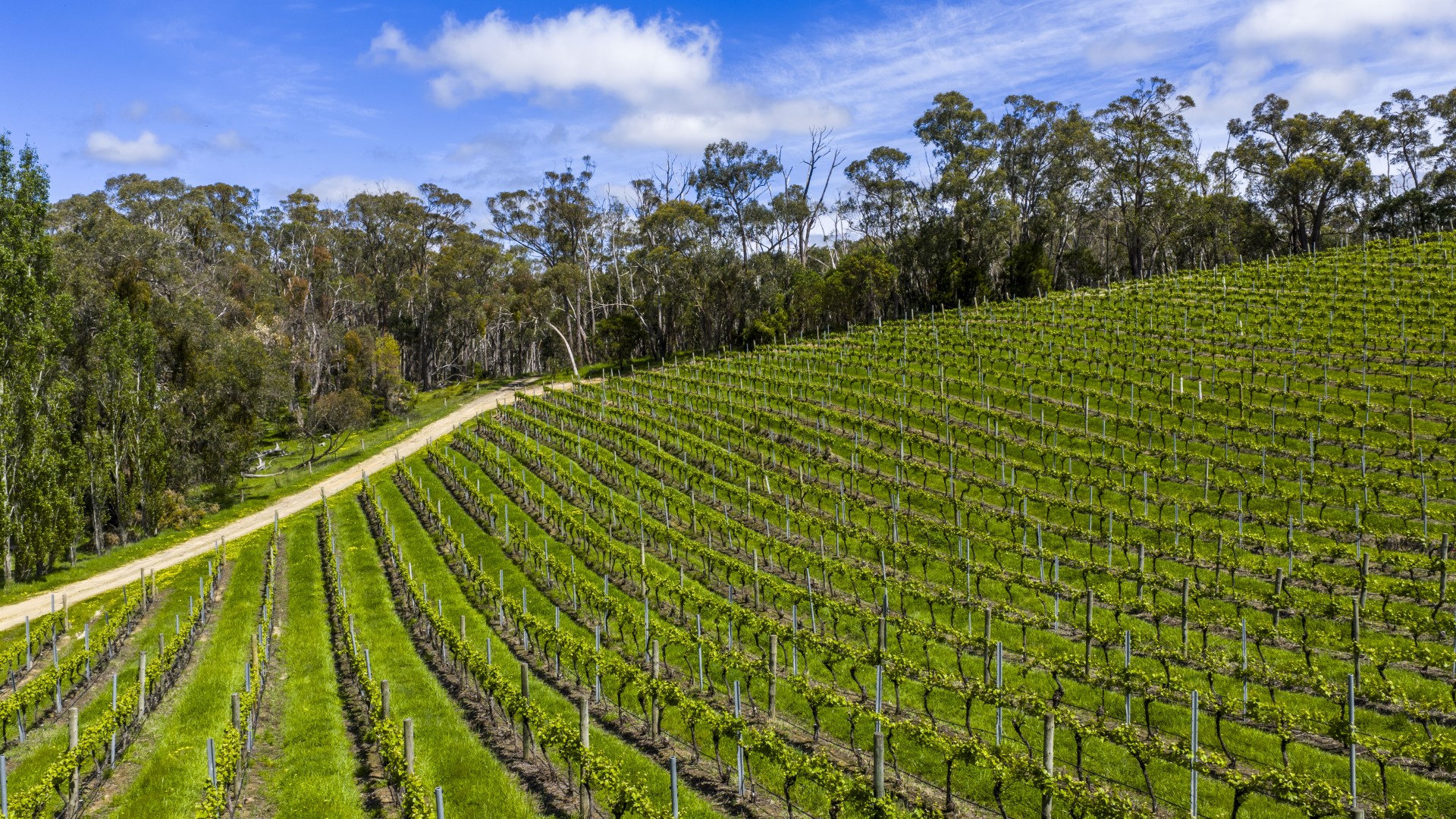
- Soil Quality and Vineyard Condition: The age and health of existing vines significantly impact production capacity and quality. Properties with well-maintained vineyards planted with desirable varieties offer immediate production potential, while older plantings may require replacement investment.
- Infrastructure and Equipment: Wine production requires specialized facilities including crush pads, fermentation tanks, barrel storage areas, and bottling equipment. The condition and capacity of existing infrastructure affects both operational costs and potential production volume.
- Regulatory Compliance: Wine production operations must meet various regulatory requirements including licensing, food safety standards, and environmental regulations. Properties with current compliance documentation and necessary permits reduce acquisition risks and transition challenges.
Financial and Operational Aspects of Wine Estate Investment
Purchasing a winery QLD property requires careful financial planning and operational understanding. Wine production combines agricultural activities with manufacturing and retail operations, creating multiple cost centers and revenue streams. Investors need to evaluate historical production data, sales records, and operating expenses to understand true profitability.
Agricultural property valuations for wine estates incorporate multiple factors beyond simple land value. The worth of established vineyards, processing facilities, brand equity, and customer relationships all contribute to overall property value. Our team at Agribusiness Horizons uses comprehensive methodology combining comparable sales analysis, income capitalization, and specialized techniques to deliver accurate valuations for wine production properties.
Financing wine estate acquisitions often requires lenders with agricultural expertise who understand seasonal cash flows and production cycles. Wine businesses typically experience peak sales during certain periods while carrying inventory and production costs year-round. Working capital requirements can be substantial, particularly for properties with significant barrel aging programs.
Operational management of vineyard properties demands either personal expertise or access to skilled personnel. Viticulture knowledge, wine making capabilities, and business management skills are all necessary for successful operations. Some buyers prefer properties with existing management teams, while others bring their own expertise or engage consultants to oversee operations.
Location and Market Advantages
The geographic location of Queensland winery properties affects both operational costs and market opportunities. Properties closer to Brisbane and the Gold Coast benefit from larger local markets and tourism traffic, potentially supporting higher cellar door sales volumes. However, these locations typically command premium prices and may face greater competition from other wine producers.
Rural locations offer different advantages including:
- Lower Property Costs: Agricultural land farther from major centers typically costs less per hectare, allowing investors to acquire larger properties or allocate more capital to operational improvements.
- Authentic Wine Tourism Experience: Remote locations can attract tourists seeking authentic rural experiences, potentially supporting accommodation businesses and premium wine pricing.
- Larger Production Scale Opportunities: More affordable land enables development of larger vineyard areas, supporting economies of scale in grape production and wine making operations.
Regional characteristics influence grape growing success and wine styles. Climate patterns, altitude, soil types, and microclimate variations all affect which varieties perform best. Properties with proven track records in specific varieties provide lower risk than attempting new plantings in untested locations.
Comparing Queensland Wine Regions
| Region | Climate Profile | Wine Styles | Tourism Potential | Infrastructure |
|---|---|---|---|---|
| Granite Belt | Cool to moderate | Quality reds and whites | High – established destination | Well-developed facilities |
| South Burnett | Warm | Full-bodied wines | Moderate – growing interest | Developing infrastructure |
| Scenic Rim | Moderate | Diverse varieties | High – scenic beauty | Mixed development |
| Coastal Hinterlands | Subtropical | Alternative varieties | Moderate – tourist traffic | Limited wine facilities |
This comparison shows how different Queensland wine regions offer varying characteristics for winery QLD investments. Your choice should align with your operational capabilities, target market, and investment objectives.
How Agribusiness Horizons Supports Your Winery QLD Investment
At Agribusiness Horizons, we bring specialized expertise to wine production property transactions throughout Queensland and nationally. Our team understands the unique aspects of vineyard properties and wine business operations, providing comprehensive support throughout your acquisition process.
We offer detailed market analysis specific to wine regions, helping you understand property values, production potential, and investment returns. Our valuation services incorporate wine industry expertise, assessing not just land value but also the worth of established vineyards, brand equity, and customer relationships. We evaluate operational performance, identifying opportunities to improve efficiency and profitability.
Our water rights advisory services prove particularly valuable for vineyard properties where irrigation reliability affects production quality and volume. We assess existing water entitlements, identify optimization opportunities, and ensure compliance with regulatory requirements.
Through our extensive network of wine industry contacts, we often identify off-market opportunities for qualified buyers. We connect you with suitable properties matching your investment criteria, whether you seek an established turnkey operation or development land for new vineyard plantings.
From initial property identification through due diligence, negotiation, and transaction completion, we provide end-to-end support tailored to your specific needs. Our post-acquisition assistance helps ensure smooth transitions, connecting you with operational expertise, viticulture consultants, and wine making professionals as needed.
Contact our team today to discuss your Queensland winery property interests and learn how we can help you identify and acquire the right wine production assets for your portfolio.
Making Your Winery Investment Successful
Success in wine estate ownership requires planning beyond the initial property acquisition. New owners should develop clear business strategies addressing production volumes, wine styles, pricing positions, and distribution channels. Properties with existing operations benefit from maintaining relationships with established customers while gradually implementing changes aligned with your vision.
Vineyard management requires ongoing attention to maintain plant health and optimize fruit quality. Regular pruning, pest management, canopy management, and harvest timing all influence grape quality and wine production outcomes. Many successful owners work closely with viticulture consultants who bring specialized regional knowledge and technical expertise.
Wine production facilities need consistent maintenance and periodic equipment upgrades. Fermentation tanks, barrel storage areas, crushing equipment, and bottling lines all require capital investment over time. Planning for these expenses helps maintain operational efficiency and product quality standards.
Market development takes time and sustained effort. Building customer relationships through cellar door experiences, wine club memberships, and targeted marketing creates sustainable revenue streams. Properties with tourism potential can develop accommodation offerings, events, and experiences that complement wine sales and build brand loyalty.
The financial performance of vineyard properties improves with scale and efficiency. Owners should regularly review operational costs, production yields, and sales channels to identify improvement opportunities. Some operators find value in contract crushing services, allowing them to focus on viticulture while outsourcing wine making to specialists.
Conclusion: Your Path to Queensland Wine Production Assets
Investing in winery QLD properties offers unique opportunities within Australia’s agricultural sector. These specialized operations combine primary production with value-added processing and retail sales, creating multiple income streams and investment value drivers. Queensland’s diverse wine regions provide options ranging from established boutique operations to development opportunities for experienced investors.
Success requires thorough due diligence, realistic financial planning, and operational expertise or access to qualified management. Properties with secure water rights, healthy established vineyards, and well-maintained facilities typically offer lower risk profiles and faster paths to positive returns.
As you consider Queensland’s wine production property market, ask yourself: What scale of operation aligns with your capital availability and management capacity? How will you differentiate your wines and build customer relationships in competitive markets? What role will tourism and cellar door sales play in your business model?
The answers to these questions, combined with professional guidance from agricultural property specialists, will help you make informed decisions about wine estate investments. At Agribusiness Horizons, we’re ready to help you explore opportunities in Queensland’s wine industry and identify properties that match your investment objectives.
Contact us today at [email protected] or call +61 428 651 144 to discuss your winery property interests and begin your journey toward owning productive wine production assets in Queensland.