Finding Premium Vineyards for Sale Victoria: Your Complete Investment Guide
Are you considering entering the wine industry through property ownership? Victoria’s wine regions offer some of Australia’s most respected viticultural land, attracting investors from across the globe. Whether you’re an experienced wine producer looking to expand or a newcomer seeking entry into this rewarding agricultural sector, understanding what makes victorian vineyard properties valuable is your first step toward success.
When searching for vineyards for sale victoria, you’ll discover a diverse range of opportunities across world-renowned wine regions. From established operations with mature vines to development-ready land awaiting your vision, Victoria’s wine country presents compelling investment potential. At Agribusiness Horizons, we bring specialized knowledge in horticultural property transactions, helping clients navigate the complexities of acquiring premium viticultural assets. Our team understands the unique characteristics that make vineyard properties valuable investments, and we’re ready to guide you through every stage of your acquisition journey.
This article will walk you through the essential aspects of purchasing vineyard property in Victoria, from understanding regional characteristics to evaluating soil quality and water access. You’ll learn about the critical factors that influence property values, discover what sets Victoria’s wine regions apart, and gain insights into the practical considerations that determine long-term success in viticulture.
The Evolution of Victoria’s Wine Industry
Victoria’s reputation as a premium wine-producing state has deep historical roots stretching back over a century. The state’s diverse geography creates distinct microclimates that support an impressive array of grape varieties, from cool-climate Pinot Noir to robust Shiraz. This viticultural diversity has positioned Victoria as one of Australia’s most dynamic wine regions, attracting both domestic and international investment in recent years.
The modern Victorian wine industry combines traditional winemaking heritage with innovative agricultural practices. Advances in irrigation technology, precision viticulture, and sustainable farming methods have transformed how vineyard properties operate. Today’s buyers seek more than just fertile land—they look for properties equipped with modern infrastructure, reliable water resources, and the potential for value-added wine tourism operations.
Understanding this evolution helps prospective buyers appreciate why certain properties command premium prices. Established vineyards with proven production histories, quality infrastructure, and strong regional reputations offer immediate operational capacity. Meanwhile, undeveloped viticultural land presents opportunities for buyers to create custom operations aligned with their specific wine production goals. The diversity of available properties means there’s something for every investment strategy and budget level.
Understanding Victoria’s Premier Wine Regions
Victoria encompasses several distinct viticultural zones, each offering unique characteristics that influence grape quality and property value. The Yarra Valley, known for elegant cool-climate wines, features rolling hills and moderate temperatures that suit varieties like Chardonnay and Pinot Noir. Properties here often include established cellar door facilities, making them attractive for buyers interested in wine tourism alongside production.
The Mornington Peninsula provides coastal influences that create ideal growing conditions for premium grape varieties. The maritime climate moderates temperature extremes, extending the growing season and allowing grapes to develop complex flavor profiles. Wine grape farms victoria in this region typically command premium prices due to their proximity to Melbourne and established wine tourism infrastructure.
Moving inland, the Heathcote region has gained international recognition for exceptional Shiraz production. The ancient Cambrian soils and continental climate create distinctive wine characteristics that collectors prize. Meanwhile, the King Valley offers diverse microclimates supporting everything from Italian varieties to traditional French grapes. This regional variety means buyers can find properties suited to their preferred wine styles and target markets.
The Rutherglen region, famous for fortified wines, represents another distinct opportunity. Properties here often include heritage winemaking facilities and established vine stocks that produce the concentrated fruit necessary for dessert wine production. Each region carries different investment considerations, from water availability to established market demand for specific wine styles.
Key Benefits of Investing in Victorian Vineyard Properties
Victorian viticultural assets offer several compelling advantages for agricultural investors:
- Strong Market Recognition: Victoria’s wine regions enjoy well-established domestic and international reputations, supporting premium pricing for quality wines and providing ready market access for new producers.
- Diverse Revenue Streams: Beyond grape production, many vineyard properties support wine tourism, cellar door sales, events hosting, and accommodation, creating multiple income sources that strengthen overall returns.
- Capital Appreciation Potential: Quality viticultural land in established regions has shown steady value growth over time, particularly properties with water security and modern infrastructure.
- Lifestyle Integration: Vineyard ownership allows investors to combine agricultural business with lifestyle benefits, especially in regions close to urban centers where weekend access is convenient.
The combination of agricultural productivity and tourism potential makes viticulture operations for sale particularly attractive to family offices and high-net-worth individuals seeking tangible assets with both financial and lifestyle returns. Properties with existing infrastructure offer immediate operational capacity, while development opportunities allow buyers to create custom facilities aligned with their vision.
Critical Considerations When Evaluating Vineyard Properties
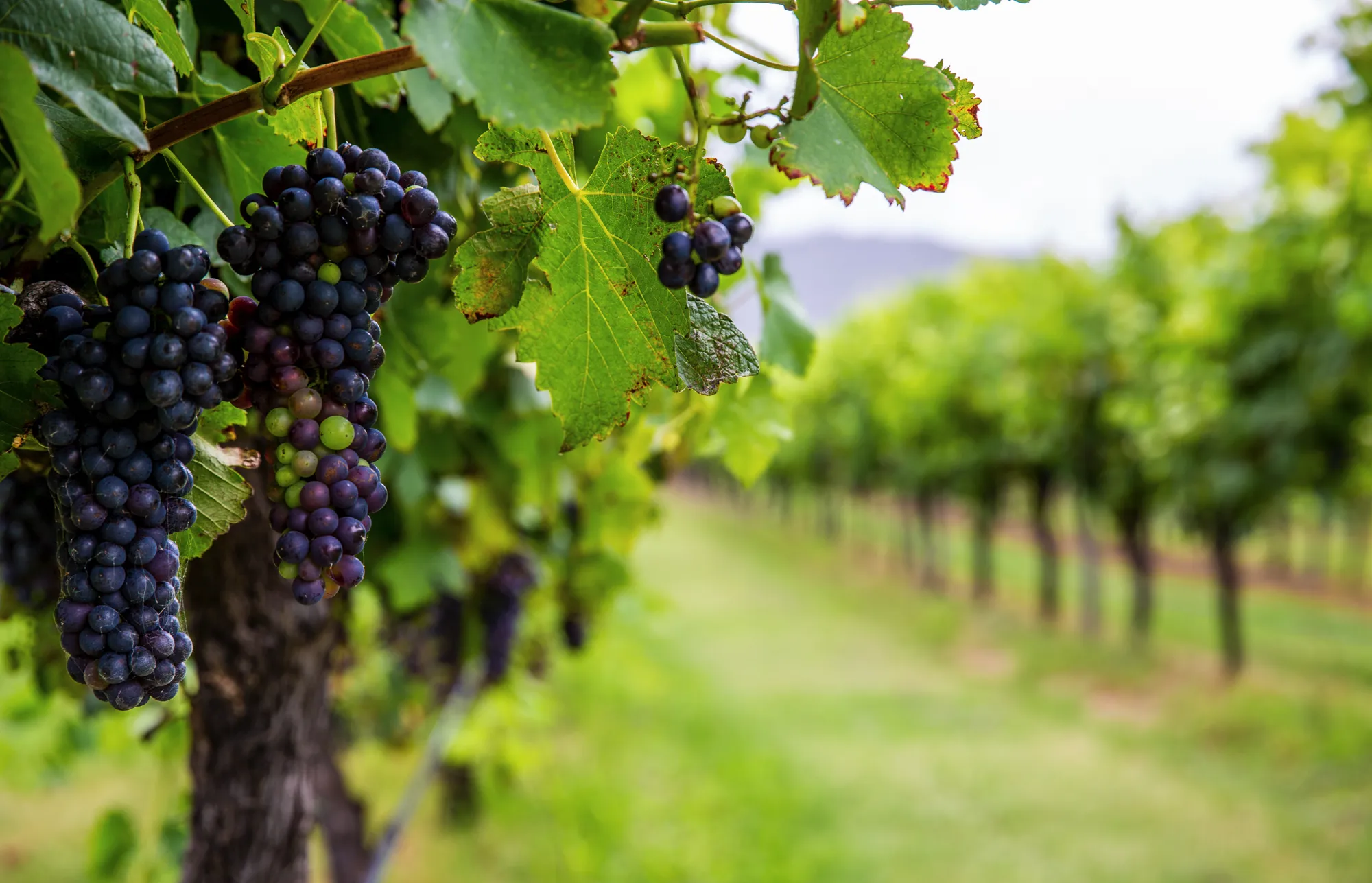
Successful vineyard acquisition requires thorough evaluation of multiple factors that influence long-term viability and profitability. Soil composition ranks among the most important considerations—different grape varieties thrive in specific soil types, and understanding your land’s characteristics helps determine which varieties will perform best. Professional soil analysis reveals nutrient levels, drainage capacity, and pH balance, all factors that affect vine health and fruit quality.
Water security represents another non-negotiable requirement for viable viticulture. Victorian wine country estates need reliable irrigation to manage vintage variation and maintain consistent production. Properties with permanent water allocations, on-farm storage, or access to irrigation schemes offer greater operational flexibility than those dependent solely on rainfall. Understanding water rights, licensing requirements, and historical allocation patterns is essential before committing to any property.
Climate analysis helps predict long-term suitability for specific grape varieties. While Victoria’s overall climate supports viticulture, individual properties experience microclimatic variations based on elevation, aspect, and proximity to water bodies. These subtle differences influence harvest timing, disease pressure, and ultimate wine quality. Reviewing historical weather data and consulting with local viticulturists provides valuable insights into what you can realistically achieve.
Existing infrastructure significantly impacts both immediate operational capacity and long-term development costs. Established trellising systems, irrigation infrastructure, winery facilities, and storage capacity represent substantial capital investments. Properties offering quality existing infrastructure reduce your initial outlay and accelerate your path to production. However, buyers should assess whether existing systems align with their production goals or whether significant modifications will be necessary.
Comparison of Victorian Wine Region Characteristics
| Wine Region | Primary Varieties | Climate Profile | Tourism Potential | Infrastructure Development |
|---|---|---|---|---|
| Yarra Valley | Pinot Noir, Chardonnay | Cool-climate, moderate rainfall | High – proximity to Melbourne | Well-established cellar doors |
| Mornington Peninsula | Pinot Noir, Pinot Gris | Maritime influence, coastal | High – scenic coastal location | Premium facilities common |
| Heathcote | Shiraz, Viognier | Continental, warm summers | Moderate – growing recognition | Mix of established and developing |
| King Valley | Italian varieties, Prosecco | Diverse microclimates | Moderate – alpine tourism overlap | Varied facility standards |
| Rutherglen | Durif, Muscat varieties | Warm, continental | Moderate – heritage tourism | Heritage facilities common |
This comparison illustrates why understanding regional characteristics matters when searching for vineyards for sale victoria. Each region offers distinct advantages depending on your production goals, tourism ambitions, and target wine market. Properties in regions with established cellar door trails benefit from existing visitor traffic, while emerging areas may offer more affordable entry points with room for appreciation as regional recognition grows.
How Agribusiness Horizons Supports Your Vineyard Acquisition
At Agribusiness Horizons, we recognize that acquiring viticultural property requires specialized knowledge that goes beyond standard real estate transactions. Our experience with horticultural assets and high-value agricultural property positions us to guide you through every aspect of your vineyard purchase.
We begin by understanding your specific objectives—whether you’re seeking an established operation with immediate cash flow potential or raw land where you can develop your vision from scratch. Our comprehensive market analysis evaluates comparable transactions, reviews historical production data, and assesses future value potential based on regional trends and infrastructure quality.
Our team conducts thorough due diligence examining soil quality reports, water rights documentation, pest and disease history, and compliance with viticultural regulations. We coordinate with agronomists, viticulturists, and water rights specialists to ensure you understand exactly what you’re acquiring. This rigorous assessment process identifies potential issues before they become costly problems.
When you find a property that meets your criteria, our experienced negotiators work to secure favorable terms while managing the complex documentation required for agricultural property transfers. We understand the intricacies of water license transfers, planning permits for wine tourism facilities, and the environmental regulations affecting grape growing properties victoria.
Our support extends beyond the transaction itself. Through our post-sale transition services, we help coordinate handover of vital operational information, introduce you to local suppliers and contractors, and provide ongoing strategic advice as you establish your presence in Victoria’s wine industry. Contact us to discuss how we can help you find and acquire the perfect vineyard property.
Practical Considerations for Vineyard Property Buyers
Successful vineyard ownership requires more than just acquiring the right property—you need a clear operational strategy from day one. Before making offers, develop a detailed business plan outlining your production goals, target wine market, and revenue expectations. Consider whether you’ll manage operations yourself, hire experienced vineyard managers, or lease the land to established wine producers. Each approach carries different financial implications and time commitments.
Understand the full cost structure beyond the purchase price. Vineyard maintenance, including pruning, pest management, irrigation management, and harvest labor, represents ongoing expenses that vary by region and growing conditions. Properties with established vines require different maintenance approaches than newly planted operations. Budget for both routine maintenance and unexpected challenges like extreme weather events or pest outbreaks.
Regulatory compliance deserves careful attention. Victorian vineyards must comply with environmental regulations, water use restrictions, workplace safety requirements, and food safety standards if processing grapes on-site. Working with experienced agricultural legal advisors ensures you understand all obligations before committing to purchase.
Consider your exit strategy from the beginning. Whether you plan to pass the property to the next generation, sell after developing value, or maintain long-term operations, understanding your ultimate goals helps shape acquisition decisions. Properties with multiple use options or development potential typically offer more flexibility for future owners.
Network with local wine industry professionals before purchasing. Establishing relationships with viticulturists, winemakers, wine merchants, and regional wine associations provides valuable insights into local conditions, market trends, and operational best practices. These connections prove invaluable once you take ownership and begin navigating the practical challenges of vineyard management.
Conclusion: Your Path to Victorian Vineyard Ownership
Acquiring vineyards for sale victoria represents an opportunity to enter one of Australia’s most respected agricultural sectors. From the cool-climate elegance of the Yarra Valley to the robust reds of Heathcote, Victoria offers diverse options for every wine production goal and investment strategy. Success requires thorough research, professional guidance, and realistic planning that accounts for both opportunities and challenges.
The right property combines favorable growing conditions, reliable water access, quality infrastructure, and alignment with your long-term objectives. Whether you’re seeking an established operation with proven production or development-ready land where you can create your vision, Victoria’s wine regions offer compelling options. Understanding regional characteristics, soil quality, climate patterns, and market dynamics helps you make informed decisions that support sustainable profitability.
As you consider your vineyard investment journey, ask yourself these important questions: What wine styles align with your production goals and target markets? Does the property’s existing infrastructure support your operational vision, or will significant development be required? How will you balance production efficiency with the lifestyle and tourism opportunities that make vineyard ownership so appealing?
At Agribusiness Horizons, we bring specialized expertise in agricultural property transactions to help you navigate the complexities of vineyard acquisition. Our comprehensive approach covers everything from initial property identification through due diligence, negotiation, and post-purchase support. We understand what makes viticultural properties valuable and how to structure transactions that protect your interests while achieving your investment objectives.
Ready to explore Victorian vineyard opportunities? Contact Agribusiness Horizons today to discuss your requirements. Our team is ready to help you find, evaluate, and acquire the perfect viticultural property for your needs. Whether you’re taking your first steps into wine production or expanding an established operation, we provide the expertise and support necessary for successful outcomes. Let us guide you toward your Victorian vineyard investment goals.