Farm Sales SA: Your Comprehensive Guide to Selling Agricultural Property in South Australia
Introduction
South Australia’s agricultural sector represents a cornerstone of the state’s economy, with farm sales SA transactions reflecting the evolving dynamics of modern agriculture and changing landholder priorities. Whether you’re considering retirement, portfolio restructuring, succession planning, or strategic divestment, selling agricultural property in South Australia requires specialized knowledge and careful planning to achieve optimal outcomes in competitive markets.
The decision to sell farmland involves complex considerations spanning property preparation, accurate valuation, strategic marketing, buyer qualification, and negotiation expertise. At Agribusiness Horizons, we specialize in facilitating farm sales SA transactions across diverse production systems, from the premium cropping country of the Yorke Peninsula to the extensive pastoral stations of the Flinders Ranges. Our team understands regional market dynamics, buyer motivations, and transaction processes that maximize sale prices while minimizing time on market and vendor stress.
This comprehensive guide explores everything South Australian landholders need to know about farm sales SA, from initial preparation and valuation strategies to marketing approaches and post-sale considerations. We encourage vendors contemplating agricultural property sales to contact our experienced team for confidential discussions about your specific circumstances and objectives.
Understanding the journey ahead helps sellers approach transactions strategically, positioning properties effectively and negotiating from strength. Let’s examine the critical elements that separate successful farm sales SA from disappointing outcomes that leave vendors wondering what might have been achieved with better preparation and expert guidance.
Understanding South Australia’s Agricultural Property Market
South Australia’s agricultural landscape encompasses remarkable diversity, creating distinct market segments with different buyer profiles, pricing dynamics, and transaction characteristics. Understanding these regional variations helps vendors position farm sales SA appropriately and target marketing toward qualified buyers most likely to recognize property value.
The Mid North region, encompassing areas around Clare and the lower Flinders Ranges, supports mixed farming operations combining cropping and livestock production. Properties here attract family farming operations seeking diversification and investors pursuing balanced exposure across multiple agricultural commodities. The region’s moderate rainfall reliability and established infrastructure support sustainable production systems appealing to risk-conscious buyers.
Yorke Peninsula and Eyre Peninsula represent South Australia’s premium cropping country, with deep fertile soils and favorable seasonal patterns supporting intensive grain production. Farm sales SA in these regions consistently attract strong competition from established farming families, corporate farming entities, and institutional investors seeking exposure to Australia’s grain sector. Water access, soil quality, and infrastructure condition significantly influence pricing within these highly sought-after areas.
The South East’s higher rainfall zone supports diverse production including cropping, intensive livestock operations, dairy farming, and forestry enterprises. Properties in this region benefit from more reliable moisture patterns, though higher land values reflect this reduced climate risk. Farm sales SA in the South East often attract buyers seeking production security and operational flexibility across multiple agricultural enterprises.
The pastoral zone extending through the Flinders Ranges and far north presents large-scale extensive grazing opportunities. These properties suit operators experienced with rangeland management and investors comfortable with the climatic variability inherent to semi-arid environments. While these farm sales SA transactions involve lower per-hectare pricing, total transaction values remain substantial given property scale.
At Agribusiness Horizons, our comprehensive understanding of regional market dynamics ensures farm sales SA are positioned strategically to attract appropriate buyer segments. Our market analysis capabilities provide vendors with realistic pricing guidance based on comparable transactions, regional demand trends, and current market sentiment.
Preparing Your Property for Sale
Successful farm sales SA begin well before properties reach the market, with strategic preparation significantly influencing both sale price and transaction efficiency. Vendors who invest time and resources in pre-sale optimization consistently achieve superior outcomes compared to those rushing properties to market without adequate preparation.
Property Presentation and Infrastructure
First impressions matter substantially in agricultural property transactions. Buyers form initial opinions during site inspections that influence subsequent offer decisions and negotiation positions. Addressing deferred maintenance, removing accumulated rubbish, repairing obvious defects, and presenting properties in tidy condition demonstrates pride of ownership that buyers reward with stronger offers. While vendors need not undertake major capital improvements immediately before sale, basic presentation standards significantly impact perceived property value.
Infrastructure condition directly influences buyer assessments of immediate capital requirements and ongoing maintenance obligations. Comprehensive documentation of recent improvements, maintenance schedules, and infrastructure specifications helps buyers understand asset condition and reduces uncertainty that typically translates to conservative valuations. Photographs and records of major works, equipment servicing, and structural maintenance provide transparency that builds buyer confidence.
Documentation and Information Assembly
Comprehensive information packages streamline due diligence processes and position vendors as organized professionals whom buyers trust. Essential documentation includes clear title information and survey plans, current rates and water license details, soil test results and agronomic assessments, production records and financial performance history, environmental management plans and compliance records, equipment and livestock inventories with condition assessments, lease agreements and contractual obligations, and recent infrastructure improvements and maintenance records.
Assembling this information before marketing commences allows vendors to address any issues proactively rather than responding to buyer-raised concerns during negotiations. Properties presented with complete documentation attract more serious inquiry and progress through due diligence more efficiently, reducing transaction timeframes and minimizing risk of deal failure.
Compliance and Risk Management
Addressing regulatory compliance issues before farm sales SA reach the market prevents complications during due diligence that can delay transactions or provide buyers with negotiation leverage. Key compliance areas include native vegetation management and biosecurity obligations, water license accuracy and allocation trading compliance, chemical storage and workplace health requirements, environmental protection and conservation agreements, and local government planning and development approvals.
Our risk reduction services identify potential compliance issues and guide vendors through resolution processes before properties are marketed. This proactive approach protects sale prices and prevents last-minute complications that undermine vendor negotiating positions or cause transaction failures.
Valuation Strategies for South Australian Farmland
Accurate valuation forms the foundation of successful farm sales SA, establishing realistic price expectations while ensuring properties are not undervalued relative to market potential. Agricultural property valuation requires specialized expertise combining comparable sales analysis, income capitalization methodology, and understanding of regional market dynamics.
Comparable sales analysis examines recent transactions of similar properties within the region, adjusting for differences in size, soil quality, water security, infrastructure condition, and other value-influencing factors. This methodology provides market-based valuation benchmarks reflecting what buyers actually pay for agricultural properties rather than theoretical values divorced from transaction reality. However, comparable analysis requires careful selection of truly similar properties and thoughtful adjustment for material differences.
Income capitalization approaches value properties based on productive capacity and achievable financial returns. This methodology particularly suits properties with established production histories and reliable income streams, allowing buyers to assess acquisition costs relative to expected returns. Vendors benefit from presenting comprehensive financial records demonstrating sustainable income generation that supports robust valuations under this approach.
Sensitivity analysis tests valuation assumptions against variable factors including commodity price fluctuations, seasonal rainfall variations, input cost changes, and interest rate movements. Understanding how values respond to these variables helps vendors appreciate market risk factors and positions properties appropriately given current economic conditions and buyer sentiment.
At Agribusiness Horizons, our valuation services incorporate multiple methodologies to provide comprehensive property assessments. We conduct detailed analysis of comparable farm sales SA, model income potential under various scenarios, and apply professional judgment informed by current market conditions. This rigorous approach ensures vendors enter negotiations with confidence in property values and realistic price expectations.
Understanding true market value prevents two common errors that compromise farm sales SA outcomes. Overpricing properties beyond supportable valuations extends marketing periods, creates negative market perception, and ultimately forces price reductions that achieve lower final prices than realistic initial pricing would have secured. Conversely, undervaluation relative to market potential leaves money on the table that proper pricing and marketing would have captured.
Marketing Strategies That Maximize Sale Prices
Strategic marketing distinguishes successful farm sales SA that achieve premium prices from mediocre outcomes settling for whatever offers emerge from passive market exposure. Effective marketing combines professional presentation, targeted audience reach, and strategic communication that generates competitive tension among qualified buyers.
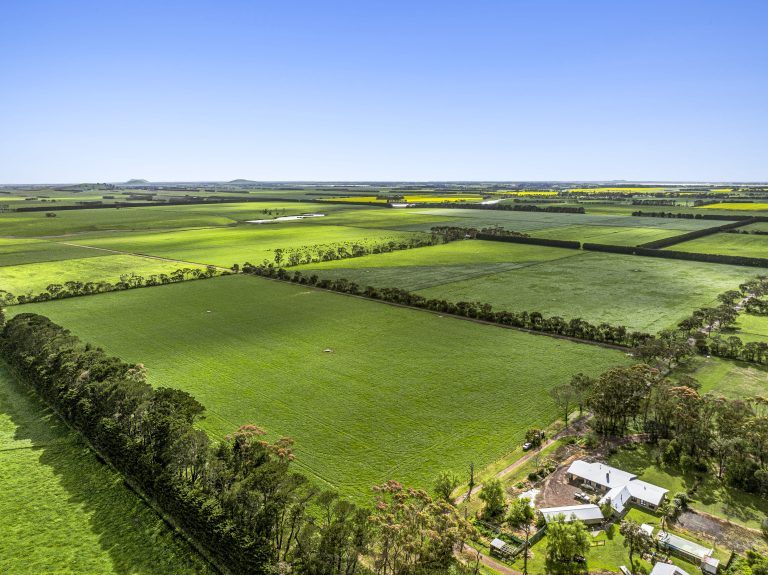
Professional marketing collateral creates powerful first impressions that influence buyer interest and subsequent valuation perspectives. High-quality aerial photography and videography showcase property scale, layout, and regional context in ways ground-level images cannot match. Comprehensive information memorandums provide detailed agronomic data, financial performance summaries, infrastructure inventories, and regional market analysis that helps buyers understand property potential and supports strong valuations.
Our marketing and sales strategies leverage professional production capabilities to create compelling property presentations. We invest in aerial drone footage, professional ground photography, detailed property maps, comprehensive agronomic profiles, and financial summaries that position farm sales SA at the premium end of market perception.
Targeted marketing reaches appropriate buyer segments rather than broadcasting indiscriminately to audiences unlikely to purchase. Agricultural properties appeal to distinct buyer categories including adjacent landholders seeking aggregation opportunities, established farming operations pursuing expansion or diversification, institutional investors seeking agricultural asset exposure, family offices deploying capital into tangible assets, and international buyers pursuing Australian agricultural investments.
Understanding which buyer segments suit particular properties allows focused marketing that generates qualified inquiry rather than wasting resources on broad campaigns reaching unsuitable audiences. Our extensive database of active buyers across these categories ensures farm sales SA receive targeted exposure to decision-makers most likely to recognize value and present strong offers.
Campaign timing influences market response, with certain periods offering better buyer activity levels than others. Understanding agricultural cycles, commodity market sentiment, and seasonal factors helps optimize marketing timing for maximum impact. While urgent vendor circumstances sometimes dictate timing, strategic vendors benefit from selecting marketing periods that align with favorable market conditions.
Confidentiality management protects vendor interests while ensuring appropriate market exposure. Many vendors prefer discretion during marketing phases, particularly when continuing operational management during sale processes. Balancing confidentiality requirements with effective marketing reach requires sophisticated approaches including targeted direct communication to pre-qualified buyers, controlled information release through staged disclosure processes, and professional management of inquiry channels that filter serious buyers from casual observers.
Comparison of South Australian Agricultural Regions
| Region | Primary Production Systems | Soil Quality | Rainfall Patterns | Infrastructure Development | Buyer Competition |
|---|---|---|---|---|---|
| Yorke Peninsula | Intensive cropping, mixed farming | Excellent arable soils | Moderate reliability | Well-established | Very strong |
| Eyre Peninsula | Cropping, sheep, mixed enterprises | Good to excellent | Variable patterns | Developed networks | Strong demand |
| South East | Cropping, intensive livestock, dairy | High fertility | Higher reliability | Advanced systems | Consistent interest |
| Mid North | Mixed farming, livestock grazing | Variable quality | Moderate patterns | Established services | Moderate activity |
| Pastoral Zone | Extensive grazing, rangeland | Lower intensity use | Low reliability | Basic infrastructure | Specialized buyers |
This comparison illustrates how different South Australian regions present varied characteristics affecting farm sales SA pricing, marketing approaches, and buyer profiles. Premium cropping regions command higher per-hectare values and attract broader buyer interest, while extensive pastoral properties appeal to specialized operators comfortable with scale management and climatic variability.
How Agribusiness Horizons Optimizes Farm Sales SA
Our specialized approach to agricultural property sales delivers consistently superior outcomes for South Australian vendors through comprehensive services spanning preparation, marketing, negotiation, and transaction management. We combine deep agricultural knowledge with sophisticated marketing capabilities and expert negotiation to maximize sale prices while streamlining processes.
Pre-sale consultation identifies optimization opportunities that enhance property values before marketing commences. We assess infrastructure improvements offering strong return on investment, recommend addressing deferred maintenance impacting buyer perceptions, identify compliance issues requiring resolution, and develop strategic positioning that highlights competitive advantages. This preparation phase often delivers value improvements substantially exceeding consultation costs.
Bespoke marketing campaigns position each property strategically based on its unique characteristics and appropriate buyer segments. Rather than applying generic templates, we develop tailored strategies reflecting property scale, production systems, regional context, and vendor objectives. Our campaigns leverage professional collateral production, targeted buyer database communication, strategic media placement, and coordinated property inspections that create competitive environments among qualified buyers.
Our selling process expertise ensures farm sales SA progress efficiently from listing through settlement. We manage inquiry qualification and buyer communication, coordinate property inspections and follow-up, facilitate due diligence information provision, negotiate terms and manage offer presentations, and coordinate legal processes and settlement logistics. This comprehensive management reduces vendor burden while ensuring nothing falls through the cracks.
Negotiation expertise consistently secures favorable terms extending beyond simple sale price. Understanding buyer motivations, regional market dynamics, and property-specific value drivers allows us to craft negotiation strategies that maximize vendor outcomes. We negotiate settlement timing aligned with vendor needs, equipment and livestock inclusion terms, transition support arrangements minimizing vendor obligations, and risk allocation in sales contracts protecting vendor interests.
Post-sale support continues beyond settlement, assisting vendors with transition planning and reinvestment strategies. Our post-sale transition services help vendors navigate the complex period following property sales, including tax-efficient structuring of sale proceeds, reinvestment opportunity identification, and succession planning for multi-generational farming families.
Whether you’re in early planning stages or ready to proceed with farm sales SA immediately, our team provides specialized expertise necessary for success. Schedule a confidential consultation to discuss how we can support your South Australian agricultural property sale objectives.
Buyer Qualification and Negotiation Management
Distinguishing serious buyers from casual observers saves vendors time and positions negotiations effectively. Not all inquiry represents genuine purchasing interest, and engaging extensively with unqualified parties wastes resources better directed toward legitimate prospects.
Financial capability assessment determines whether interested parties can realistically complete purchases at asking price levels. Pre-qualified buyers with confirmed financing arrangements or substantial equity positions merit priority attention compared to those requiring extensive financing contingencies or lacking demonstrated capital access. Our buyer vetting processes identify financially qualified parties early, focusing vendor attention on genuine opportunities.
Operational capability evaluation considers whether buyers possess the knowledge and resources to successfully operate properties post-purchase. Established farming operations or experienced agricultural investors typically present lower transaction risk than first-time buyers unfamiliar with production systems or regional conditions. While newcomers occasionally make excellent buyers, their transactions often require additional time for education and financing arrangement, factors vendors should understand when evaluating offers.
Offer structure analysis extends beyond headline purchase prices to examine terms, conditions, settlement timing, and risk allocation. Offers with extensive conditions or extended due diligence periods present higher risks of transaction failure compared to cleaner proposals with reasonable but limited contingencies. Vendors must weigh higher-priced conditional offers against potentially lower but more certain unconditional proposals.
Negotiation strategy development responds to market conditions, property characteristics, and vendor circumstances. Strong seller markets with multiple qualified buyers warrant firm pricing positions and competitive bidding processes that drive prices upward. Softer markets may require more flexible approaches and direct negotiation with serious buyers identified through marketing efforts.
At Agribusiness Horizons, our negotiation expertise consistently delivers superior outcomes in farm sales SA. We understand regional market dynamics, buyer psychology, and strategic positioning that extracts maximum value while maintaining constructive relationships necessary for successful transaction completion. Our experience managing complex negotiations across diverse property types and market conditions provides vendors with confidence throughout this critical phase.
Transaction Management and Settlement Coordination
Successfully navigating from accepted offer to settled transaction requires careful coordination across multiple parties and work streams. Agricultural property settlements involve complexity beyond residential transactions, with additional considerations around livestock, equipment, water transfers, and operational transitions.
Legal documentation preparation demands expertise in agricultural property transactions. Standard contracts require modification addressing farm-specific elements including livestock and equipment inclusions, water allocation transfers and carryover provisions, lease assignments and contractual obligations, environmental compliance representations, and operational transition arrangements. Engaging legal practitioners experienced in agricultural transactions prevents documentation errors that create disputes or delay settlements.
Due diligence coordination facilitates buyer investigations while protecting vendor interests. Vendors must provide reasonable access and information while maintaining operational confidentiality and managing disruption to ongoing farming activities. Structured due diligence processes with defined timelines and information protocols streamline this phase while preserving vendor flexibility to manage their businesses during sale periods.
Settlement preparation involves multiple administrative tasks requiring attention to detail. Water license transfers must be lodged with appropriate authorities, livestock brands and property identification codes require updating, rates and charges need adjustment to settlement dates, and final property inspections confirm condition alignment with contract terms. Oversights in settlement preparation create last-minute complications that delay completion or trigger disputes.
Our end-to-end support services manage transaction coordination from offer acceptance through post-settlement matters. We maintain oversight of all transaction elements, identify potential issues early, and coordinate solutions that keep settlements on track. This comprehensive management dramatically reduces transaction failure risk while minimizing vendor stress during what can be overwhelming periods.
Strategic Timing Considerations for Farm Sales SA
Market timing significantly influences outcomes when selling agricultural property, with various factors creating more or less favorable conditions for vendor outcomes. While personal circumstances sometimes dictate timing regardless of market conditions, vendors with flexibility benefit from understanding cyclical dynamics affecting farm sales SA.
Commodity price cycles influence farmland values through impacts on operating cash flows and buyer confidence. Strong commodity prices improve farm profitability, strengthen balance sheets, and create optimism that supports aggressive property valuations. Conversely, commodity price weakness reduces buyer appetite and constrains capital available for property acquisitions. Understanding current positioning within typical commodity cycles helps inform timing decisions.
Seasonal conditions affect both property presentation and buyer psychology. Properties marketed during favorable growing seasons showcase productive potential more effectively than those presented during droughts or challenging conditions. While sophisticated buyers adjust for seasonal variations, visual presentation during inspections influences emotional responses that impact offer decisions. Strategic vendors optimize marketing timing to align with favorable seasonal presentations when circumstances permit.
Interest rate environments shape agricultural property markets through financing cost impacts and alternative investment return comparisons. Lower interest rate periods generally support stronger property values as borrowing costs decrease and fixed-income investment alternatives offer diminished returns, directing capital toward tangible assets including farmland. Higher rate environments may moderate buyer competition while creating opportunities for well-capitalized purchasers less dependent on debt financing.
Regulatory and policy cycles occasionally create timing opportunities or challenges. Policy changes affecting water management, environmental regulations, taxation treatment, or foreign investment approval processes can influence buyer appetite and achievable pricing. Staying informed about potential policy changes helps vendors time farm sales SA to avoid unfavorable regulatory transitions.
Our market timing analysis helps vendors understand current market positioning and optimal timing strategies. We monitor commodity markets, seasonal outlooks, interest rate trajectories, and regulatory developments to provide informed guidance on whether immediate marketing or strategic delay serves vendor interests better.
Succession Planning and Multi-Generational Transitions
Many farm sales SA result from succession planning considerations as multi-generational farming families navigate complex transitions between generations. Successfully managing these transitions requires balancing financial objectives with family relationship preservation and legacy considerations.
Family communication establishes shared understanding of objectives, constraints, and priorities among all stakeholders. Open discussions about retirement timing, ongoing involvement in operations, financial needs, and property division options help prevent misunderstandings that create family conflicts. Professional facilitation often helps families navigate emotionally charged discussions about properties representing generations of family history.
Structural options for succession include outright property sales with proceeds distributed among family members, partial sales retaining family involvement in reduced operations, lease-back arrangements allowing continuing operational involvement, and staged transitions transferring ownership progressively over time. Each approach presents different financial, taxation, and operational implications requiring careful analysis.
Taxation planning minimizes unnecessary tax burdens while ensuring fair value distribution among family members. Capital gains tax considerations, small business concessions, and strategic timing of transactions significantly impact net proceeds available for retirement funding or reinvestment. Engaging taxation specialists experienced in agricultural transactions ensures optimal structuring that preserves family wealth.
At Agribusiness Horizons, we understand the unique dynamics of family-driven farm sales SA. Our sensitive approach balances commercial objectives with family relationship considerations, facilitating discussions that preserve family harmony while achieving necessary financial outcomes. We coordinate with legal, taxation, and financial planning specialists to deliver comprehensive succession solutions.
Conclusion
Successfully managing farm sales SA requires specialized knowledge spanning property preparation, accurate valuation, strategic marketing, buyer qualification, expert negotiation, and comprehensive transaction management. South Australia’s diverse agricultural regions present varied market dynamics and buyer profiles that demand tailored approaches rather than generic marketing strategies.
Vendors who invest in professional guidance consistently achieve superior outcomes compared to those attempting independent sales or engaging generalist real estate agents lacking agricultural expertise. The value delivered through optimized preparation, targeted marketing, and expert negotiation typically far exceeds professional service costs, making specialized representation a sound investment rather than an expense.
At Agribusiness Horizons, we bring decades of combined experience in high-value agricultural property transactions to every farm sales SA engagement. Our comprehensive service offering supports vendors from initial consultation through post-settlement matters, ensuring optimal outcomes while minimizing stress throughout what can be complex and emotionally challenging processes. We invite South Australian landholders considering property sales to contact our team for confidential discussions about your circumstances and objectives.
As you contemplate farm sales SA opportunities, consider these questions: What property improvements might enhance sale value beyond their cost? Which buyer segments would find your property most attractive and how do you reach them effectively? How does current market timing align with your personal circumstances and could strategic delay improve outcomes? What post-sale plans will you implement to manage proceeds tax-efficiently while supporting your next life chapter?
Whether you’re planning retirement, restructuring agricultural holdings, managing succession transitions, or pursuing strategic divestment, South Australian agricultural property markets offer opportunities for well-prepared vendors working with specialized advisors. Begin your farm sales SA journey with confidence by partnering with Agribusiness Horizons for expert guidance throughout the process.