Due Diligence Procedures for Agribusiness Investments: A Comprehensive Guide
When considering agribusiness investments, thorough due diligence procedures for agribusiness investments form the foundation of successful transactions. The agricultural sector presents unique challenges and opportunities that require specialized knowledge and systematic evaluation processes. Understanding these procedures can mean the difference between a profitable investment and costly mistakes in farmland acquisitions, rural property purchases, or agricultural enterprise investments.
At Agribusiness Horizons, we recognize that comprehensive due diligence procedures for agribusiness investments require expertise across multiple disciplines, from soil science and water rights to financial analysis and regulatory compliance. Our team guides clients through every aspect of the evaluation process, ensuring they make informed decisions backed by thorough investigation and professional analysis. Contact us today to discuss how our specialized knowledge can protect your investment interests and maximize your returns.
This guide will walk you through the essential components of agricultural due diligence, from initial property assessment to final transaction completion, providing you with the knowledge needed to navigate complex agribusiness investment decisions confidently.
Understanding Agricultural Due Diligence
Agricultural due diligence encompasses a comprehensive evaluation process that extends far beyond traditional property assessments. Unlike residential or commercial real estate, agricultural properties require specialized analysis of factors such as soil composition, water availability, climate patterns, and operational infrastructure. The complexity of modern farming operations demands investigation into equipment conditions, livestock health records, crop yield histories, and existing contracts with suppliers and buyers.
The agricultural sector’s dependence on natural resources and weather patterns adds layers of complexity to investment evaluation. Successful due diligence procedures for agribusiness investments must account for seasonal variations, long-term climate trends, and the property’s resilience to environmental challenges. This includes assessing irrigation systems, drainage infrastructure, and the property’s ability to maintain productivity under varying conditions.
Modern agricultural operations often involve sophisticated technology systems, from precision farming equipment to automated livestock management systems. Due diligence must evaluate these technological assets, their maintenance requirements, and their contribution to operational efficiency. Additionally, the regulatory environment surrounding agriculture continues to evolve, requiring careful examination of compliance requirements and potential future regulatory changes that could impact profitability.
Essential Components of Agricultural Due Diligence
Physical Property Assessment
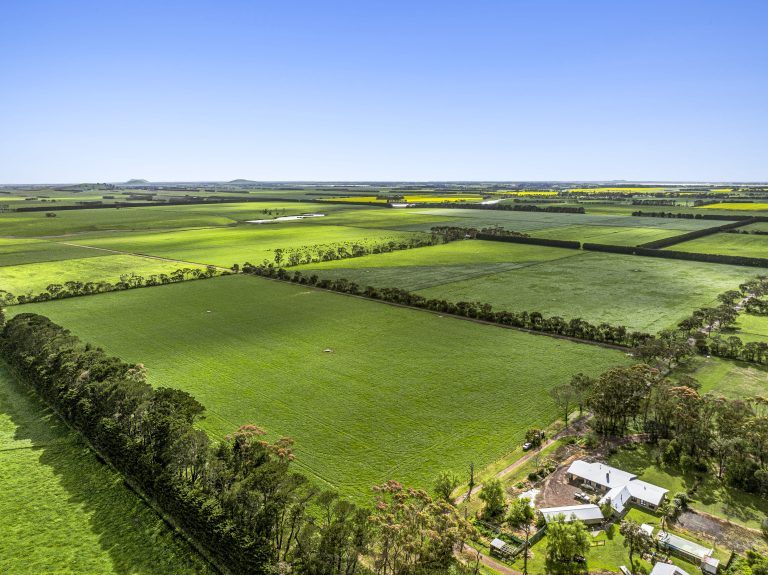
The foundation of any agricultural investment evaluation begins with comprehensive physical property assessment. This process involves detailed soil testing to determine fertility levels, pH balance, and nutrient content across different areas of the property. Soil composition analysis reveals the land’s suitability for various crops and helps predict future productivity potential. Professional soil scientists can identify any contamination issues or limitations that might affect agricultural use.
Water resources represent another critical component requiring thorough investigation. This includes evaluating water rights, availability, and quality, as well as assessing existing irrigation infrastructure and its efficiency. Ground water levels, bore capacity, and seasonal water availability patterns must be documented and analyzed. The evaluation should also consider future water security and potential impacts from climate change or regulatory changes affecting water allocation.
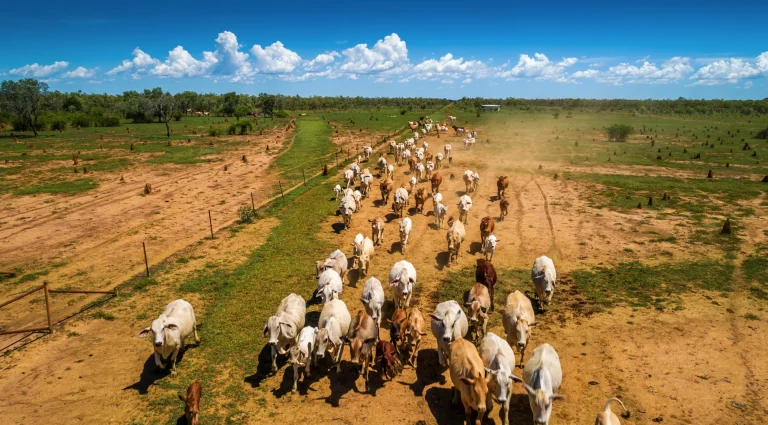
Infrastructure assessment encompasses buildings, fencing, roads, and equipment storage facilities. The condition and adequacy of these structures directly impact operational efficiency and future capital requirements. Livestock facilities require particular attention to animal welfare standards and regulatory compliance. Additionally, the property’s proximity to processing facilities, markets, and transportation networks affects operational costs and market access.
Financial and Operational Analysis
Financial due diligence for agricultural properties requires specialized understanding of farming economics and seasonal cash flow patterns. Historical financial records should be analyzed over multiple years to account for seasonal variations and commodity price fluctuations. This analysis includes examining revenue streams, operating expenses, capital expenditures, and debt service obligations.
Operational efficiency assessment involves evaluating current farming practices, crop rotation systems, and livestock management procedures. This includes analyzing yield per hectare, feed conversion ratios, and other key performance indicators specific to the agricultural operation. The evaluation should identify opportunities for improvement and potential risks to current production levels.
Contract analysis forms a crucial component of operational due diligence. This includes reviewing existing agreements with suppliers, buyers, contractors, and service providers. Long-term contracts can provide stability but may also limit flexibility in changing market conditions. The terms, duration, and transferability of these agreements must be carefully evaluated.
Legal and Regulatory Compliance
Agricultural properties are subject to numerous regulations covering environmental protection, animal welfare, food safety, and land use. Due diligence procedures for agribusiness investments must include comprehensive review of all applicable permits, licenses, and compliance requirements. This includes environmental impact assessments, particularly for intensive agricultural operations or properties near sensitive ecosystems.
Water rights and usage permits require careful examination, as these can significantly impact property value and operational viability. The transferability of water rights and any restrictions on usage must be clearly understood. Additionally, any historical violations or ongoing compliance issues must be identified and their potential impact assessed.
Zoning regulations and land use restrictions can affect future development potential and operational flexibility. Understanding current zoning classifications and any proposed changes helps assess long-term investment viability. Heritage listings, native vegetation requirements, and other environmental restrictions must also be evaluated.
Risk Assessment and Mitigation Strategies
Agricultural investments face unique risks that require specialized assessment and mitigation strategies. Climate risk assessment has become increasingly important as weather patterns become more variable and extreme events more frequent. This includes evaluating the property’s exposure to drought, flooding, frost, and other weather-related risks that could impact productivity.
Market risk analysis involves assessing exposure to commodity price volatility and demand fluctuations. Diversification opportunities within the property or through complementary investments should be evaluated. The property’s ability to adapt to changing market conditions or switch between different agricultural uses provides valuable flexibility.
Operational risks include equipment failure, disease outbreaks, and key personnel dependencies. Assessment of insurance coverage, backup systems, and contingency plans helps identify potential vulnerabilities. The evaluation should also consider the property’s resilience to supply chain disruptions and input cost fluctuations.
Environmental risks encompass soil degradation, water quality issues, and potential contamination from neighboring properties or historical land use. Professional environmental assessments can identify these risks and recommend appropriate mitigation measures. Understanding the property’s environmental liabilities and ongoing monitoring requirements is essential for long-term investment success.
Technology and Innovation Assessment
Modern agricultural operations increasingly rely on sophisticated technology systems that require careful evaluation during due diligence. Precision agriculture equipment, GPS guidance systems, and automated irrigation controls represent significant investments that can enhance productivity and efficiency. The condition, age, and compatibility of these systems must be assessed, along with their contribution to operational performance.
Data management systems and record-keeping capabilities are becoming increasingly important for regulatory compliance and operational optimization. The quality and completeness of production records, financial data, and compliance documentation affects both current operations and future decision-making capabilities.
Innovation potential represents an often-overlooked aspect of agricultural due diligence. Properties with potential for implementing new technologies or sustainable practices may offer additional value through improved efficiency or access to premium markets. Assessment should include evaluation of the property’s suitability for renewable energy generation, carbon sequestration programs, or other emerging opportunities.
Comparison of Due Diligence Approaches
| Aspect | Traditional Approach | Comprehensive Approach | Agribusiness Horizons Method |
|---|---|---|---|
| Scope | Basic property inspection | Multi-disciplinary assessment | Integrated analysis across all factors |
| Timeline | Limited timeframe | Extended evaluation period | Structured timeline with key milestones |
| Expertise | General property knowledge | Specialized agricultural expertise | Deep industry knowledge and relationships |
| Risk Assessment | Standard property risks | Agricultural-specific risks | Comprehensive risk modeling and mitigation |
| Technology Focus | Minimal consideration | Basic technology assessment | Advanced technology and innovation evaluation |
| Regulatory Review | General compliance check | Detailed regulatory analysis | Proactive compliance and future planning |
How Agribusiness Horizons Enhances Due Diligence
At Agribusiness Horizons, we bring specialized expertise to every aspect of agricultural due diligence procedures for agribusiness investments. Our multi-disciplinary team combines agricultural economics, soil science, water management, and financial analysis to provide comprehensive evaluation services. We understand that successful agricultural investments require more than surface-level assessment – they demand deep understanding of complex interactions between natural resources, technology, markets, and regulations.
Our approach to due diligence integrates advanced data analytics with on-ground expertise to provide clients with actionable insights. We leverage our extensive network of agricultural specialists, including agronomists, veterinarians, and equipment experts, to ensure thorough evaluation of all aspects of potential investments. This collaborative approach enables us to identify both opportunities and risks that might be overlooked by less specialized firms.
We also provide ongoing support throughout the due diligence process, coordinating with legal teams, financial advisors, and other professionals to ensure comprehensive evaluation. Our experience with complex agricultural transactions enables us to anticipate potential issues and develop strategies to address them proactively. This comprehensive approach helps clients make informed decisions with confidence in their investment choices.
Future Trends in Agricultural Due Diligence
The agricultural sector continues to evolve rapidly, driven by technological innovation, changing consumer preferences, and environmental considerations. Future due diligence procedures for agribusiness investments will need to incorporate assessment of sustainability practices, carbon footprint, and environmental stewardship capabilities. Properties that demonstrate strong environmental performance may command premium valuations as sustainability becomes increasingly important to investors and consumers.
Digital agriculture and precision farming technologies are transforming agricultural operations, creating new opportunities for efficiency gains and productivity improvements. Due diligence processes will need to evaluate the potential for implementing these technologies and their expected return on investment. This includes assessment of data management capabilities, connectivity infrastructure, and the property’s suitability for automated systems.
Climate adaptation and resilience will become increasingly important factors in agricultural investment decisions. Properties that demonstrate ability to adapt to changing climate conditions and implement resilient farming practices will likely outperform those that cannot. Due diligence procedures will need to incorporate climate risk modeling and assessment of adaptation strategies.
The integration of renewable energy generation and carbon sequestration programs into agricultural operations presents new revenue opportunities that must be evaluated during due diligence. Understanding the property’s potential for these additional income streams and their impact on overall investment returns will become standard practice.
Conclusion
Thorough due diligence procedures for agribusiness investments represent the cornerstone of successful agricultural property transactions. The complexity of modern farming operations, combined with increasing regulatory requirements and market volatility, demands comprehensive evaluation processes that go far beyond traditional property assessments. Success requires specialized expertise, systematic evaluation procedures, and deep understanding of the unique challenges and opportunities present in agricultural investments.
The agricultural sector’s continued evolution toward technology-driven, sustainable practices means that due diligence procedures for agribusiness investments must adapt to evaluate new factors and opportunities. Properties that demonstrate strong environmental stewardship, technological innovation, and operational efficiency will likely command premium valuations in future markets.
As you consider your next agricultural investment, ask yourself: Are you confident in your ability to evaluate all the complex factors that determine agricultural property value? How will you assess the property’s resilience to climate change and market volatility? What expertise do you need to ensure comprehensive evaluation of technological systems and regulatory compliance?
The stakes in agricultural investments are too high to rely on incomplete or superficial due diligence. Contact Agribusiness Horizons today to discuss how our specialized expertise and comprehensive evaluation processes can protect your investment interests and help you make informed decisions with confidence. Our team stands ready to guide you through every aspect of agricultural due diligence, ensuring you have the knowledge and insights needed for successful investment outcomes.