Discovering Premium Rural Land for Sale Tasmania: Your Agricultural Investment Guide
Tasmania’s agricultural sector presents outstanding opportunities for investors seeking productive farmland with strong environmental credentials and diverse farming potential. As specialists in agricultural property transactions, we at Agribusiness Horizons understand that finding the right rural land for sale Tasmania requires expert guidance, comprehensive market knowledge, and a strategic approach to property acquisition. Whether you’re an established farmer looking to expand operations or an investor exploring agricultural assets, Tasmania’s rural property market offers compelling prospects across multiple sectors.
This guide will walk you through the key considerations for purchasing agricultural land in Tasmania, from understanding regional variations and property types to navigating the acquisition process with confidence. We’ll share insights into what makes Tasmanian farmland attractive, how to assess property value, and why working with specialized agribusiness advisors can make the difference between a good investment and an exceptional one.
Understanding Tasmania’s Agricultural Property Landscape
Tasmania has long been recognized for its clean, green reputation and high-quality agricultural production. The island state’s temperate climate, reliable rainfall patterns, and pristine environment create ideal conditions for diverse farming operations. From the fertile valleys of the northwest to the premium grazing country of the Midlands, each region offers distinct advantages for different agricultural pursuits.
The agricultural property market in Tasmania has shown consistent strength, driven by both domestic and international interest. Buyers are attracted to the state’s biosecurity advantages, water security, and growing reputation for premium agricultural products. The combination of established infrastructure, supportive farming communities, and access to both domestic and export markets makes Tasmanian farmland particularly appealing.
Recent years have seen increased attention on Tasmania’s capacity for sustainable agriculture and carbon-neutral farming practices. Properties with strong environmental credentials, native vegetation coverage, and potential for natural capital development command premium interest. This trend reflects broader market shifts toward regenerative agriculture and ESG-aligned agricultural investments.
Key Regions for Agricultural Land in Tasmania
Tasmania’s agricultural regions each bring unique characteristics and opportunities. The northwest boasts some of the state’s most productive agricultural land, with rich volcanic soils supporting intensive horticulture, dairy farming, and mixed cropping enterprises. This region benefits from consistent rainfall and established processing infrastructure, making it attractive for commercial-scale operations.
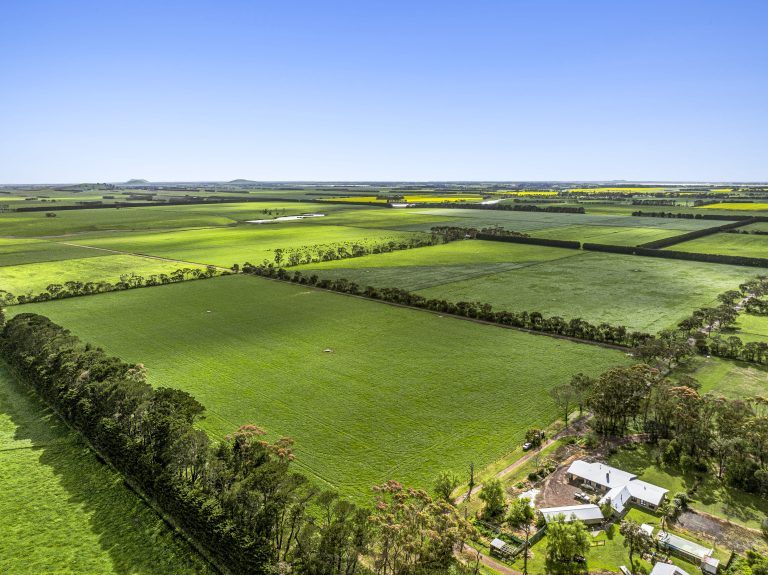
The Midlands region offers extensive grazing country suitable for sheep and cattle production, with properties typically featuring improved pastures and well-developed water infrastructure. This area has historically been the backbone of Tasmania’s wool and meat industries, with many properties carrying prestigious agricultural heritage. The landscape here is characterized by rolling hills, established shelter belts, and reliable water sources.
Southern Tasmania presents opportunities for specialized agriculture, including viticulture, cherries, and other high-value crops that benefit from the cooler climate. The region’s proximity to Hobart provides access to markets, services, and export facilities. Properties in this area often combine productive agricultural land with lifestyle appeal, attracting diverse buyer profiles.
The east coast and northern regions offer different prospects again, from coastal grazing properties to irrigated cropping land. Each area presents distinct climate conditions, soil types, and market access considerations that influence property suitability and value.
What Makes Rural Land for Sale Tasmania Attractive to Investors
Several factors contribute to Tasmania’s appeal as an agricultural investment destination. The state’s biosecurity status remains one of its strongest assets. Tasmania’s island geography provides natural protection from many pests and diseases affecting mainland agriculture. This status enables premium market access and supports higher commodity prices for Tasmanian produce.
Water security represents another significant advantage. While climate variability affects all agricultural regions, Tasmania generally experiences more reliable rainfall than many mainland areas. Many properties feature well-developed water infrastructure including dams, bores, and irrigation systems. The state’s water management frameworks provide clarity around water rights and allocation, reducing uncertainty for agricultural investors.
Tasmania’s reputation for clean, premium production opens doors to high-value markets. The state’s agricultural products command price premiums in both domestic and international markets, particularly for organic, sustainable, and specialty products. This market positioning supports stronger returns on agricultural investments and creates opportunities for value-adding enterprises.
The agricultural property market itself demonstrates favorable characteristics. Compared to some mainland regions, Tasmanian farmland has historically shown steady appreciation while maintaining relative affordability for commercial-scale operations. The balance between productive capacity, carrying cost, and capital appreciation potential makes the state attractive for both operating farmers and investment portfolios.
Assessing Property Value and Productive Capacity
Evaluating rural land for sale Tasmania requires understanding multiple value drivers beyond simple per-hectare pricing. Soil quality stands as perhaps the most fundamental consideration. Properties with deep, well-drained soils and favorable nutrient profiles support diverse agricultural uses and command premium valuations. Soil testing results, production history, and agronomic assessments provide crucial insights into long-term productive capacity.
Water infrastructure and security significantly influence property value. Properties with permanent water sources, developed dam systems, and irrigation infrastructure offer greater operational flexibility and resilience. Understanding water rights, allocation volumes, and reliability becomes crucial during property assessment. We work with water advisory specialists to ensure buyers have complete clarity on water assets and entitlements.
Infrastructure quality directly affects operational efficiency and capital requirements. Well-maintained fencing, working yards, machinery sheds, and storage facilities reduce immediate capital investment needs and support smooth operational transitions. The condition and suitability of existing improvements should align with intended agricultural use and business plans.
Location factors including market access, proximity to processing facilities, and availability of agricultural services affect both operational costs and property values. Properties within reasonable distance of major towns benefit from better service access, workforce availability, and reduced transport costs. Consideration of road quality, particularly during wet seasons, matters for operations dependent on regular livestock or produce movements.
Climate and topographical characteristics shape agricultural suitability and risk profiles. Aspect, elevation, frost susceptibility, and rainfall patterns all influence what enterprises will thrive on specific properties. Understanding these environmental factors helps match property characteristics with intended agricultural purposes.
Comparing Agricultural Property Types in Tasmania
| Property Type | Primary Characteristics | Typical Agricultural Uses | Key Considerations |
|---|---|---|---|
| Improved Grazing Country | Developed pastures, reliable water, established infrastructure | Cattle breeding and finishing, sheep production, mixed livestock operations | Carrying capacity, pasture improvement history, livestock handling facilities |
| Intensive Horticultural Land | Premium soils, irrigation infrastructure, protection from weather extremes | Berry production, vegetables, orchard crops, viticulture | Frost protection, irrigation reliability, proximity to processing facilities |
| Broadacre Cropping Land | Large continuous areas, suitable topography, appropriate soil types | Cereal crops, oilseeds, fodder production | Machinery access, soil fertility, seasonal rainfall patterns |
| Mixed Farming Properties | Combination of improved and natural areas, diverse infrastructure | Multiple enterprise options, rotational grazing and cropping | Flexibility for enterprise changes, infrastructure suitability for different uses |
| Specialized Agricultural Assets | Purpose-built infrastructure for specific enterprises | Dairy farming, controlled environment agriculture, intensive animal production | Enterprise-specific facilities, regulatory compliance requirements, specialized knowledge needs |
How Agribusiness Horizons Supports Your Tasmania Property Search
Our approach to helping clients secure rural land for sale Tasmania begins with understanding your specific agricultural objectives and investment criteria. We recognize that every buyer brings different goals, whether building a farming enterprise, diversifying investment portfolios, or pursuing regenerative agriculture projects. This initial consultation shapes our property identification strategy and ensures we focus on opportunities genuinely aligned with your needs.
We maintain extensive networks throughout Tasmania’s agricultural community, providing access to both openly marketed properties and off-market opportunities. Our relationships with landholders, professional advisors, and industry participants often give clients early insight into properties before public marketing begins. This network advantage can prove decisive in competitive market conditions.
Our valuation and financial analysis services provide clients with comprehensive understanding of property worth and investment potential. We employ agricultural economists and valuation specialists who understand the nuances of Tasmanian farmland pricing. Our assessments incorporate comparable sales analysis, productive capacity evaluation, and development potential to deliver accurate property valuations.
The due diligence support we provide goes beyond standard property inspections. Our team coordinates agronomic assessments, water rights verification, environmental compliance checks, and infrastructure evaluations. We engage specialist consultants where needed to ensure clients have complete information before committing to purchases. This thorough approach to risk reduction protects your investment and prevents costly surprises.
We actively participate in negotiations to secure favorable purchase terms. Our experience in agricultural property transactions means we understand what represents fair value and what terms protect buyer interests. Whether negotiating price, settlement conditions, or special terms around water rights or livestock, we advocate strongly for our clients throughout the transaction process.
Contact our team today to discuss your interest in Tasmanian agricultural properties. We’ll arrange an initial consultation to understand your objectives and begin identifying suitable opportunities in Tasmania’s rural property market.
Current Trends Shaping Tasmania’s Rural Property Market
Several notable trends are influencing the rural land for sale Tasmania market. Institutional and family office interest in agricultural assets has grown, bringing sophisticated capital to the Tasmanian market. These investors typically seek larger-scale properties with strong productive capacity and professional management potential. Their presence has contributed to competitive pricing for premium agricultural assets.
The focus on sustainability and carbon farming is reshaping buyer priorities. Properties with substantial native vegetation, biodiversity values, and carbon sequestration potential attract premium interest. Our water rights and natural capital advisory team helps clients understand and optimize these emerging value streams, including Australian Carbon Credit Unit generation potential.
Technology adoption in agriculture continues to influence property decisions. Buyers increasingly seek properties where precision agriculture, remote monitoring, and data-driven management can be implemented effectively. Properties with good connectivity, suitable topography for technology deployment, and existing infrastructure for modern farming practices hold particular appeal.
Interstate and international buyer activity remains significant in Tasmania’s agricultural property market. The state’s reputation, biosecurity advantages, and relative affordability compared to some mainland regions drive ongoing interest from outside buyers. This diverse buyer pool supports market liquidity and competitive property valuations.
Practical Considerations When Pursuing Tasmanian Farmland
Timing your property search and purchase matters in agricultural markets. Understanding seasonal patterns in property listings, buyer activity, and market sentiment helps inform strategic timing decisions. Our [market timing analysis](https://agribusiness horizons.com/services/market-timing/) services provide insights into current market conditions and optimal transaction windows.
Financing agricultural property purchases requires working with lenders who understand farming operations and asset valuation. We maintain relationships with agricultural banking specialists who can structure appropriate finance facilities for farmland acquisitions. Understanding lending criteria, security requirements, and approval timeframes proves crucial for smooth transactions.
Engaging appropriate professional advisors beyond property agents strengthens your acquisition process. Agricultural consultants, water engineers, environmental specialists, and legal advisors with rural property expertise all contribute valuable insights during property evaluation and transaction management.
Planning for property transition and operational commencement should begin before settlement. Understanding timing around livestock movements, planting seasons, and infrastructure requirements helps ensure smooth operational start-up. Our post-sale and transition support services help buyers navigate this crucial period effectively.
Connecting with local farming communities and agricultural service providers before purchase provides valuable context about regional conditions, operational norms, and available support services. Tasmania’s agricultural communities are generally welcoming to serious farmers and investors committed to land stewardship.
Strategic Acquisition Approaches for Different Buyer Types
Operating farmers seeking to expand their enterprises should focus on properties that complement existing operations. Proximity to current holdings, compatibility with existing infrastructure and livestock, and alignment with management capacity all matter for successful expansion. The ability to achieve operational efficiencies through scale benefits should factor into valuation and investment decisions.
Investment buyers prioritizing financial returns need rigorous analysis of productive capacity, operational costs, and market dynamics for intended agricultural enterprises. Understanding both enterprise-level economics and property-level appreciation potential helps structure appropriate investment strategies. Properties suitable for professional farm management or lease arrangements may better serve purely investment-focused buyers.
Buyers pursuing regenerative agriculture or sustainable farming models should prioritize properties with good environmental foundations. Native vegetation coverage, healthy soil biology, water quality, and opportunities for biodiversity enhancement all matter for these approaches. Understanding potential for natural capital income streams including carbon credits and biodiversity stewardship payments can support investment justification.
New entrants to agriculture face unique challenges and opportunities. Selecting properties with forgiving characteristics, access to agricultural advice, and scope for learning while building enterprises becomes important. Starting with manageable scale, proven agricultural uses, and supportive local communities can ease the transition into farming.
Working Within Tasmania’s Regulatory Environment
Tasmania’s regulatory framework for agricultural land requires understanding and compliance. Planning schemes, agricultural zone provisions, and environmental management requirements all affect how properties can be used and developed. Early investigation of regulatory constraints helps avoid purchasing properties unsuitable for intended purposes.
Water use and management sits within defined regulatory frameworks. Understanding water licensing requirements, extraction limits, and ongoing compliance obligations matters for any property dependent on irrigation or stock water. We help clients navigate these regulatory considerations as part of comprehensive property assessment.
Biosecurity responsibilities come with owning agricultural land in Tasmania. Understanding requirements around pest and disease management, weed control, and livestock movement documentation helps ensure compliance and protects the state’s agricultural reputation. These obligations should factor into operational planning and budgeting.
Environmental obligations including native vegetation protection, wildlife management, and waterway health require attention. Properties with significant environmental values may carry specific management requirements or development restrictions. Understanding these obligations before purchase prevents conflicts between agricultural objectives and regulatory requirements.
Building Your Agricultural Enterprise in Tasmania
Establishing successful agricultural enterprises on newly acquired Tasmanian farmland requires careful planning and staged implementation. Beginning with thorough property familiarization helps understand microclimates, soil variations, and operational challenges specific to your land. This knowledge foundation supports better management decisions as you develop your enterprise.
Developing relationships with local agricultural service providers, contractors, and consultants builds essential support networks. Tasmania’s agricultural service sector includes specialized agronomists, veterinarians, machinery dealers, and livestock agents who understand regional conditions and farming practices. These relationships contribute to operational success and problem-solving capacity.
Investing strategically in infrastructure improvements should align with enterprise plans and cash flow capacity. Prioritizing improvements that directly support productive capacity or reduce operational costs typically delivers better returns than aesthetic or lifestyle-focused investments. Our strategic advisory team helps clients develop rational infrastructure investment plans.
Engaging with local farming communities through agricultural shows, field days, and industry organizations provides valuable learning opportunities and professional networks. Tasmania’s agricultural sector features active industry groups, research organizations, and extension services that support farm business development.
Conclusion: Your Pathway to Tasmanian Agricultural Property
The opportunity to acquire rural land for sale Tasmania represents more than a property transaction—it’s an investment in productive agricultural assets within one of Australia’s most attractive farming environments. Tasmania’s combination of biosecurity advantages, environmental quality, water security, and market reputation creates a compelling foundation for agricultural investment success.
Whether you’re an experienced farmer seeking expansion opportunities, an investor diversifying into agricultural assets, or someone pursuing a vision for sustainable land management, Tasmania’s rural property market offers prospects worth serious consideration. The key to success lies in thorough property evaluation, understanding regional variations and agricultural economics, and working with advisors who bring specialized agribusiness expertise.
We at Agribusiness Horizons combine deep agricultural knowledge with comprehensive transaction management to help clients achieve their property acquisition objectives. Our end-to-end support approach means you benefit from coordinated professional services throughout your property search, evaluation, purchase, and transition into ownership.
As you consider opportunities in Tasmania’s agricultural property market, think about these questions: What agricultural enterprises best match your skills, resources, and objectives? How do different regional characteristics across Tasmania align with your intended farming approach? What role could natural capital development play in your long-term property strategy?
The answers to these questions will help shape your property search and acquisition strategy. Our team stands ready to help you work through these considerations and identify opportunities that genuinely align with your goals.
Ready to begin your search for Tasmanian farmland? Contact our team at Agribusiness Horizons today. Call Rawdon Briggs on +61 428 651 144 or visit our website to schedule a consultation. We’ll discuss your objectives, provide current market insights, and begin identifying premium rural land for sale Tasmania that matches your agricultural investment criteria. Let our expertise in agribusiness transactions guide you toward the right property for your farming future.