Comprehensive Guide to Farmland for Sale Australia: Investment Opportunities and Strategic Acquisition
Introduction
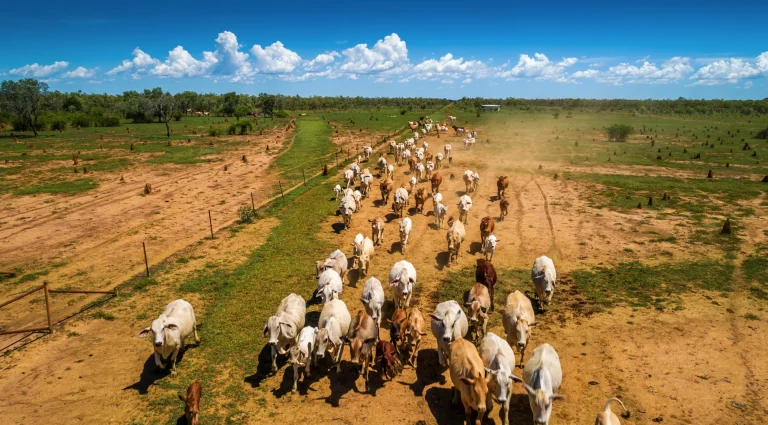
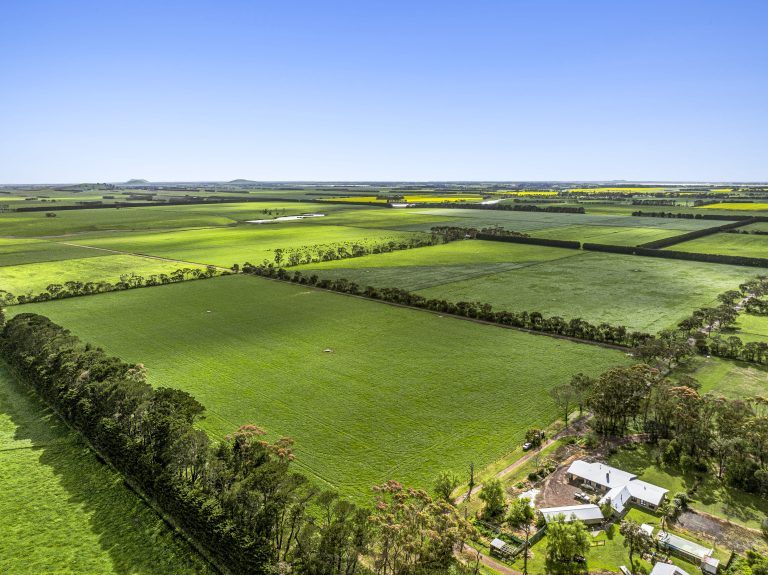
Australia’s agricultural landscape represents one of the world’s most sought-after investment opportunities, with diverse climatic zones and established farming systems attracting both domestic and international buyers. When exploring farmland for sale Australia-wide, potential investors encounter everything from sprawling cattle stations in the Northern Territory to intensive horticultural operations in Victoria’s high-rainfall regions. The Australian agricultural property market offers remarkable stability compared to volatile urban real estate sectors, providing tangible assets that generate consistent returns while contributing to global food security.
At Agribusiness Horizons, we specialize in facilitating complex agricultural property transactions across the continent, connecting serious buyers with premium rural land opportunities. Whether you’re a family office seeking portfolio diversification, an institutional investor targeting large-scale operations, or an experienced farmer looking to expand, we provide comprehensive guidance throughout your acquisition journey. This article explores the essential considerations, regional dynamics, and strategic approaches to successfully purchasing agricultural land in Australia, helping you navigate this specialized market with confidence and expert support.
Understanding Australia’s Agricultural Property Market
The Australian agricultural sector has demonstrated remarkable resilience across economic cycles, with productive farmland maintaining its value proposition through periods of broader market uncertainty. Unlike residential property markets that respond sharply to interest rate movements and sentiment shifts, quality agricultural land tends to appreciate steadily, driven by fundamental factors including water security, soil quality, infrastructure access, and operational productivity.
Several key dynamics shape the current landscape when assessing farmland for sale Australia offers to prospective buyers. Foreign investment interest remains strong, particularly from Asian markets seeking food security and stable returns, while domestic buyers including family offices and superannuation funds increasingly recognize agricultural land as a strategic asset class. The unbundling of water rights from land titles in many regions has created additional complexity and opportunity, allowing buyers to optimize their water security independently of land acquisition decisions.
Climate variability continues influencing regional preferences, with buyers showing heightened interest in properties demonstrating water security through permanent infrastructure, licensed entitlements, or reliable rainfall patterns. The transition toward regenerative agriculture practices and carbon farming opportunities has also emerged as a value driver, with properties offering natural capital potential commanding premium positioning in the market. Understanding these broader trends helps buyers identify opportunities aligned with long-term value creation rather than speculative short-term gains.
Regional Opportunities Across Australian Agricultural Zones
Australia’s vast geographical diversity creates distinctly different agricultural investment opportunities across states and territories, each offering unique advantages depending on enterprise type and investment objectives. Queensland’s agricultural regions span from tropical sugarcane country to extensive cattle grazing operations, with the state’s diverse climatic zones supporting everything from intensive horticulture to broad-acre cropping. The Darling Downs remains particularly attractive for grain production, while coastal regions offer opportunities in specialty crops and livestock operations.
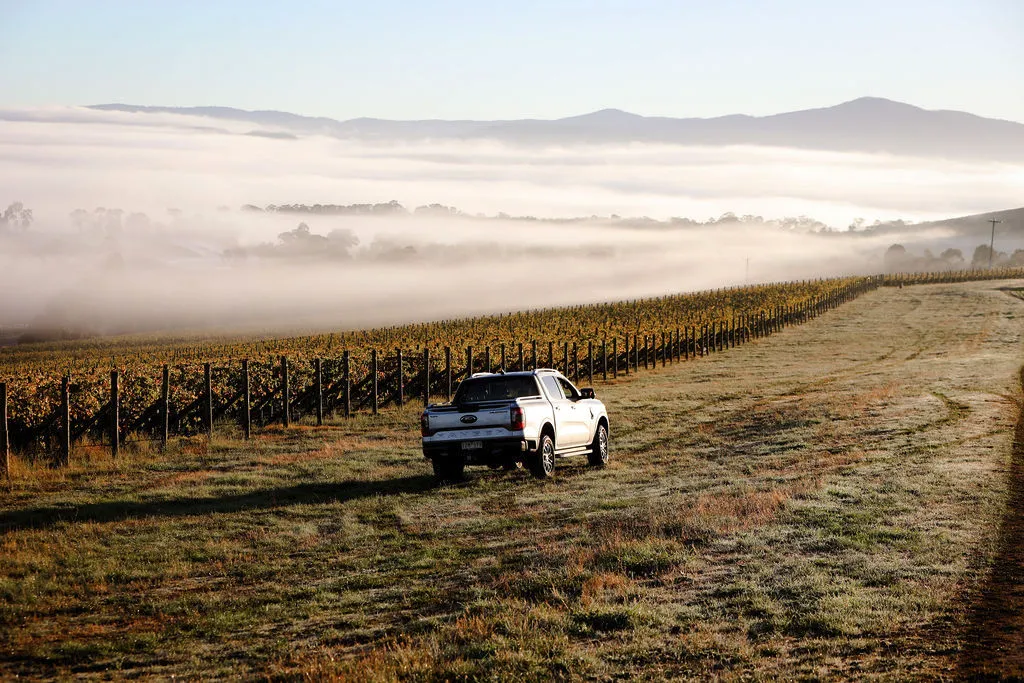
New South Wales presents investors with premium irrigation districts including the Murrumbidgee and Murray regions, where water security supports high-value horticultural enterprises and cotton production. The state’s tablelands offer reliable rainfall for livestock enterprises, while western regions provide extensive grazing opportunities across larger landholdings. Victorian agricultural markets showcase some of Australia’s most productive dairy regions in Gippsland, premium wine grape country across multiple regions, and intensive horticultural operations in the Goulburn Valley where modern irrigation infrastructure supports diverse cropping systems.
South Australia’s agricultural landscape centers on broad-acre grain production across the Eyre Peninsula and Mid North regions, with the Adelaide Hills and Riverland supporting specialized horticulture including almonds, citrus, and stone fruit. Western Australia’s expansive wheat belt attracts buyers seeking scale, while the state’s developing pastoral regions in the north offer pioneering opportunities for those willing to embrace longer development horizons. Tasmania’s temperate climate and reliable rainfall create favorable conditions for dairy, beef, and specialty crops, with the state increasingly recognized for premium produce commanding strong market returns.
Essential Considerations When Evaluating Farmland for Sale Australia
Successful agricultural property acquisition requires systematic evaluation across multiple dimensions, extending well beyond simple per-hectare pricing comparisons. Water security stands as perhaps the most critical factor in most Australian agricultural contexts, whether through licensed allocations in regulated systems, permanent infrastructure including bores and dams, or reliable annual rainfall patterns. Properties offering secure water access command premium valuations, reflecting the fundamental importance of irrigation capability to operational productivity and enterprise flexibility.
Soil quality and land classification directly impact productive capacity and suitable enterprise options. Understanding soil types, nutrient profiles, drainage characteristics, and limitations helps buyers assess realistic yield expectations and input requirements. Professional agronomic assessment proves invaluable, particularly for buyers less familiar with specific regional conditions or enterprise types. Infrastructure condition including fencing, machinery sheds, livestock handling facilities, and improvements significantly influences both operational efficiency and capital requirements post-acquisition.
Access to markets, processors, and transport networks affects operational costs and enterprise viability, with properties offering proximity to key infrastructure typically carrying value premiums justified by reduced logistics expenses. Climate patterns and rainfall reliability vary enormously across Australian agricultural regions, making historical climate data and future projections essential components of due diligence. Properties demonstrating climate resilience through diversified water sources or suitable enterprise mixes better position owners against increasing weather variability.
Regulatory considerations including environmental overlays, heritage listings, native vegetation requirements, and planning restrictions can significantly impact operational flexibility and future development potential. Thorough investigation of all regulatory encumbrances helps buyers understand both limitations and compliance obligations. When examining any farmland for sale Australia buyers should also consider the vendor’s operational history, existing enterprise performance, and available financial records to inform realistic projections of future returns under their own management.
Water Rights and Natural Capital Value in Agricultural Property
Water rights represent increasingly valuable assets within Australian agricultural transactions, often warranting separate valuation and strategic consideration independent of land assessment. In regulated river systems across southern and eastern Australia, water entitlements trade separately from land, allowing buyers to optimize their water security through strategic acquisition aligned with intended enterprise requirements. Understanding the distinction between permanent water entitlements and temporary seasonal allocations proves essential, as entitlements provide long-term security while allocations fluctuate based on seasonal conditions and system management decisions.
Different water classes carry varying levels of reliability and priority during shortage periods, with high-security entitlements commanding significant premiums over general security alternatives. Properties offering a mix of entitlement types provide operational flexibility, allowing owners to balance risk and return across enterprise choices. Groundwater access through licensed bores offers additional security in many regions, particularly where surface water reliability faces increasing pressure from competing demands and climate variability.
Natural capital opportunities including carbon sequestration, biodiversity credits, and regenerative agriculture certifications create additional revenue streams for landowners willing to participate in emerging environmental markets. The Australian Government’s Clean Energy Regulator programs support landowners in monetizing carbon storage through approved methodologies including soil carbon initiatives and vegetation management projects. Properties offering suitable characteristics for these programs carry enhanced value propositions, particularly as corporate buyers increasingly seek credible carbon offsets aligned with net-zero commitments.
Calculating the long-term value of natural capital income streams requires specialized expertise in both regulatory frameworks and market dynamics. At Agribusiness Horizons, we help buyers assess environmental asset potential and model realistic returns from diversified income sources beyond traditional agricultural production, ensuring comprehensive valuation that captures both current productivity and future opportunity.
Strategic Acquisition Approaches for Different Buyer Types
Different buyer categories approach agricultural property acquisition with distinct objectives and decision-making frameworks, requiring tailored strategies to achieve optimal outcomes. Family farming enterprises seeking expansion typically prioritize operational synergies with existing holdings, including proximity for efficient management, complementary seasonal workloads, and shared infrastructure utilization. These buyers often focus on properties offering immediate productive capacity without extensive capital requirements, allowing rapid integration into existing operations.
Institutional investors and family offices evaluate agricultural property through portfolio lens, assessing risk-adjusted returns, income stability, capital growth potential, and diversification benefits. These buyers typically engage longer holding periods and tolerate lower immediate yields in exchange for capital appreciation and inflation hedging characteristics. Properties offering professional management capacity, economies of scale, and clear value-enhancement pathways attract institutional capital seeking passive agricultural exposure without operational involvement.
Strategic buyers including agribusiness companies, processors, and vertically integrated operations seek properties supporting upstream supply chain control, raw material security, or strategic market positioning. These buyers may accept valuations exceeding pure investment metrics where properties deliver strategic advantages including feedstock reliability, quality control, or competitive positioning. International buyers often prioritize water security, food production capacity, and stable governance frameworks, with Australian agricultural property offering all three characteristics within a mature market economy.
First-time agricultural investors benefit from professional guidance navigating unfamiliar territory, with expert advisors providing critical education on enterprise economics, risk factors, and realistic return expectations. Regardless of buyer type, successful acquisition requires clear objective definition, thorough due diligence, realistic financial modeling, and patient capital willing to ride through agricultural cycles inherent in commodity-exposed enterprises. When searching farmland for sale Australia presents opportunities across all these buyer categories, with property types and price points spanning from entry-level holdings to institutional-scale portfolios.
Financing Agricultural Property Acquisitions
Agricultural property financing differs substantially from residential lending, with lenders evaluating security based on productive capacity, enterprise performance, and borrower expertise rather than simple loan-to-value ratios. Traditional agricultural lenders including rural banks and specialized agricultural finance providers understand farming business models and structure facilities accordingly, typically offering longer terms and flexible repayment schedules aligned with enterprise cash flows.
Equity requirements for agricultural lending generally exceed residential property standards, with lenders typically requiring considerable deposits reflecting higher risk profiles and longer value realization horizons. Demonstrated agricultural experience or credible operational management plans significantly influence lending decisions, as financial institutions recognize that land value alone provides insufficient security without capable management delivering enterprise returns. Established farming operations with proven track records access more favorable terms than speculative buyers without agricultural credentials.
Alternative financing structures including vendor financing, joint ventures, and staged acquisitions provide creative approaches for buyers facing conventional lending constraints. Vendor financing arrangements where sellers retain partial interest through debt instruments can bridge gaps between buyer equity and total consideration, benefiting both parties through transaction completion. Joint venture structures allow buyers to partner with established operators, contributing capital while benefiting from operational expertise and shared risk.
Detailed business planning including enterprise budgets, cash flow projections, sensitivity analysis, and risk mitigation strategies strengthens financing applications and demonstrates buyer sophistication to lending institutions. Professional financial advice from specialists understanding both agricultural economics and lending criteria proves invaluable in structuring optimal financing arrangements. At Agribusiness Horizons, we connect buyers with appropriate financing sources and help structure proposals maximizing approval likelihood while preserving favorable terms aligned with long-term business objectives.
How Agribusiness Horizons Facilitates Your Property Acquisition
At Agribusiness Horizons, we bring specialized expertise in agricultural property transactions that extends far beyond traditional brokerage services, providing comprehensive support throughout your acquisition journey. Our transaction management begins with detailed consultation to understand your investment criteria, operational capabilities, and strategic objectives, ensuring we identify opportunities genuinely aligned with your requirements rather than simply presenting available listings. We maintain extensive buyer databases and industry relationships enabling access to both on-market listings and confidential off-market opportunities not broadly advertised.
Our due diligence support encompasses comprehensive assessment across agronomic, legal, financial, environmental, and operational dimensions, coordinating specialist input where required to ensure thorough evaluation before commitment. We facilitate site inspections with expert guidance highlighting property features, potential concerns, and realistic development opportunities based on regional conditions and market dynamics. Our valuation services combine comparable transaction analysis, income capitalization modeling, and ESG-adjusted performance projections, delivering robust valuation frameworks supporting confident decision-making.
Expert negotiation on your behalf leverages our market intelligence and relationship capital to secure favorable terms extending beyond headline price to include settlement timing, conditions precedent, and contract provisions protecting your interests. We coordinate with legal advisors, financial institutions, and regulatory bodies throughout the transaction process, managing documentation flows and milestone tracking ensuring smooth progression toward settlement. Post-acquisition transition support helps new owners establish operational systems, connect with local service providers, and optimize enterprise performance from day one.
When you’re exploring farmland for sale Australia offers through our services, you gain access to proprietary market data, transaction expertise, and strategic advisory capabilities positioning you for long-term success. Our commitment to client outcomes means we invest time educating buyers on agricultural realities, challenging unrealistic assumptions, and ensuring you enter transactions with clear understanding of opportunities and obligations. Contact our team to discuss your agricultural property acquisition objectives and discover how our specialized expertise delivers superior outcomes across all transaction stages.
Comparison of Australian Agricultural Investment Regions
RegionPrimary EnterprisesWater SecurityClimate PatternMarket AccessInvestment ProfileDarling Downs, QLDGrain, cotton, livestockModerate through allocationsSummer-dominant rainfallExcellent rail and roadEstablished, premium pricingRiverina, NSWRice, cotton, horticultureHigh through irrigationVariable with hot summersStrong processor networksMature market, water-dependentGippsland, VICDairy, beef, fodderHigh through rainfallReliable year-roundExcellent dairy infrastructurePremium dairy regionEyre Peninsula, SAGrain, sheepLow, rainfall-dependentMediterranean winter rainfallPort access advantageBroadacre, weather-exposedSouth West, WAGrain, livestockLow to moderateMediterranean patternDeveloping infrastructureScale opportunitiesNorthern Pastoral, NTExtensive cattle grazingModerate through boresTropical wet-dry seasonsRemote from marketsDevelopment potential, patient capital
This comparison illustrates the diversity of agricultural investment opportunities across Australia, highlighting how regional characteristics including climate, water access, and infrastructure shape enterprise suitability and investment returns. Buyers should carefully match regional attributes with their operational capabilities and risk tolerance when evaluating opportunities.
Due Diligence Best Practices for Agricultural Property Buyers
Comprehensive due diligence distinguishes successful agricultural acquisitions from problematic purchases requiring unexpected capital injection or operational challenges post-settlement. Title investigation should confirm clear ownership, identify all encumbrances including easements and covenants, and verify boundary accuracy through recent survey documentation. Water entitlement verification requires checking registry records confirming entitlement volumes, security classifications, and any usage restrictions or compliance obligations affecting operational flexibility.
Environmental assessments identify potential contamination, native vegetation obligations, threatened species habitat, and regulatory overlays that might constrain future land use or development. Historical operational records including enterprise budgets, yield data, input costs, and overhead allocations provide baseline expectations for realistic financial modeling under your management. Soil testing across representative sampling locations confirms productive capacity and identifies any nutrient deficiencies or limitations requiring remediation investment.
Infrastructure inspection by qualified professionals assesses condition of improvements including irrigation systems, machinery sheds, fencing, and livestock facilities, quantifying deferred maintenance and capital replacement requirements. Engaging agronomic advisors familiar with regional conditions provides expert assessment of crop suitability, management practices, and realistic yield expectations based on soil types and climate patterns. Legal review of all contracts including existing leases, supply agreements, and service arrangements identifies obligations transferring to new ownership.
Financial modeling should incorporate conservative yield assumptions, current input costs, realistic commodity pricing, and adequate contingency allowances for weather variability and market volatility. Sensitivity analysis testing various scenarios including adverse seasonal conditions, commodity price movements, and interest rate changes helps quantify downside risk and ensure financial resilience across agricultural cycles. Professional advisors familiar with agricultural transactions prove invaluable in identifying issues overlooked by less experienced buyers, potentially saving substantial costs through early risk identification.
Future Trends Shaping Australian Agricultural Property Markets
Several emerging trends will significantly influence Australian agricultural property values and investment dynamics over coming decades. Climate adaptation requirements will increasingly differentiate properties based on water security, enterprise flexibility, and demonstrated resilience to weather variability. Properties offering diverse water sources, climate-appropriate enterprise options, and adaptive management capacity will command premiums as buyers prioritize risk mitigation in more volatile climatic conditions.
Technology adoption including precision agriculture, automated systems, and data-driven management will enhance productivity on well-capitalized operations while potentially widening performance gaps between sophisticated and traditional farming approaches. Properties offering infrastructure supporting technology integration including connectivity, power capacity, and modern improvements will attract premium buyer interest from operators seeking efficiency advantages. Sustainability credentials and natural capital income streams will become increasingly important as corporate buyers seek credible carbon offsets and consumers demand environmentally responsible production systems.
Regulatory evolution around environmental protection, water management, and land use will continue creating both constraints and opportunities, with properties positioned for compliance commanding stability premiums while those offering environmental service potential capture emerging revenue opportunities. Demographic shifts including aging farming populations and succession planning challenges will drive ongoing property turnover, creating acquisition opportunities for well-capitalized buyers prepared to operate at scale.
Global food security concerns and protein demand growth, particularly across Asian markets, will support long-term fundamentals for productive Australian agricultural land capable of export-oriented production. Infrastructure investment in transport, processing, and port facilities will enhance accessibility and reduce logistics costs for well-positioned properties. Buyers focusing on long-term fundamentals rather than short-term speculation will benefit from these structural trends supporting sustainable value appreciation in quality agricultural assets.
Conclusion
Exploring farmland for sale Australia offers represents a significant opportunity for investors seeking tangible assets delivering stable returns, inflation hedging, and portfolio diversification benefits. The complexity of agricultural property transactions demands specialized expertise spanning agronomic assessment, water rights analysis, financial modeling, and market intelligence. Successful buyers approach acquisitions systematically, conducting thorough due diligence, engaging professional advisors, and maintaining realistic expectations about enterprise economics and agricultural cycles.
As you consider agricultural property investment, several questions warrant careful reflection: How does your risk tolerance align with the inherent volatility of commodity-exposed agricultural enterprises? What operational expertise or management arrangements will you employ to maximize productive capacity? How will emerging opportunities including natural capital income streams and regenerative agriculture practices factor into your long-term value creation strategy?
At Agribusiness Horizons, we provide comprehensive support for buyers navigating Australia’s agricultural property market, from initial opportunity identification through post-settlement transition. Our specialized expertise, extensive networks, and commitment to client outcomes position you for success in this rewarding but complex investment category. Contact Rawdon Briggs at +61 428 651 144 or reach out through our website at https://agribusinesshorizons.com/contact/ to discuss your agricultural property acquisition objectives. Let us help you identify, evaluate, and secure the right agricultural investment aligned with your strategic goals and operational capabilities.
Meta Description: Discover comprehensive insights on farmland for sale Australia with expert guidance on regional opportunities, due diligence, water rights, and strategic acquisition approaches for agricultural property investors.
Close Match Variations of Primary Keyword:
- Australian farmland opportunities
- Agricultural property Australia market
- Rural land investments Australia
- Commercial farming properties Australian regions
- Productive agricultural land Australian states
Semantically Related Keywords: Agricultural property investment, rural land acquisition, water entitlements, irrigation systems, cattle stations, horticultural operations, broad-acre farming, livestock enterprises, cropping systems, soil quality assessment, climate resilience, natural capital, carbon farming, regenerative agriculture, property due diligence, agribusiness transactions, enterprise budgets, commodity markets, sustainable farming, environmental stewardship, portfolio diversification, institutional investors, family offices, succession planning, precision agriculture