Comprehensive Guide to Calculating Investment Returns for Grazing Land Ventures in Australia
Australia’s vast pastoral landscapes offer compelling investment opportunities for sophisticated investors seeking exposure to agricultural assets with strong fundamentals and diverse return profiles. The continent’s extensive grazing regions, from tropical savannas in the north to temperate grasslands in the south, present unique analytical challenges that require specialized expertise in agricultural economics and property valuation. For institutional investors, family offices, and private equity groups, calculating investment returns for grazing land ventures in Australia demands comprehensive understanding of both operational dynamics and market fundamentals that drive long-term performance.
At Agribusiness Horizons, we recognize that successful pastoral property investment requires sophisticated financial modeling that accounts for the complex interplay between land appreciation, operational returns, and risk factors unique to extensive grazing systems. Our specialized team combines deep agricultural knowledge with proven financial analysis methodologies to help clients evaluate investment opportunities and optimize portfolio performance across Australia’s diverse grazing regions. This comprehensive guide examines the essential approaches and considerations for accurate return calculation in pastoral property investments.
Australia’s Grazing Land Investment Landscape
Australia’s grazing industry encompasses an extraordinary diversity of operational systems, climatic conditions, and market exposures that create distinct investment characteristics across different regions and property types. The sector’s resilience through various economic cycles demonstrates the fundamental strength of well-managed pastoral assets, while technological advances continue enhancing operational efficiency and profitability potential.
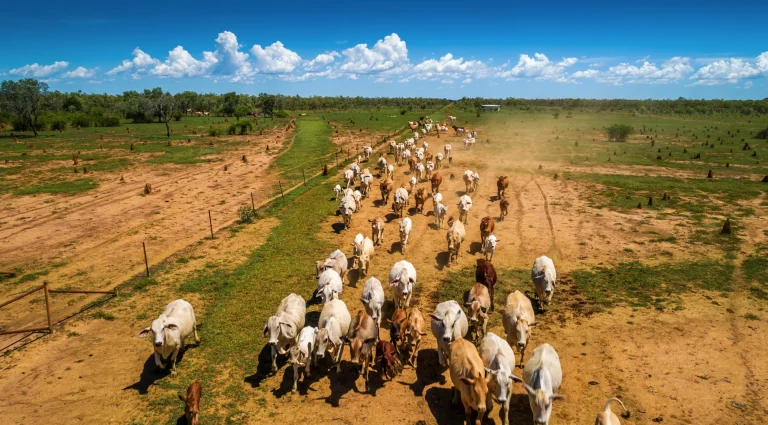
The scale and diversity of Australian grazing operations range from intensive finishing properties in high-rainfall coastal regions to extensive cattle stations covering hundreds of thousands of hectares in arid inland areas. This diversity creates multiple investment strategies and return profiles that require tailored analytical approaches reflecting specific operational characteristics and market dynamics.
Modern grazing enterprises increasingly integrate sophisticated management systems, genetic improvement programs, and value-added processing capabilities that enhance both operational efficiency and market positioning. These operational improvements create additional value streams and return components that must be accurately captured in comprehensive investment analysis frameworks.
Fundamental Return Calculation Methodologies
Income Capitalization Approach
Investment return analysis for pastoral property acquisitions utilizing income capitalization methodology focuses on sustainable cash flow generation from livestock operations, agistment services, and ancillary revenue streams. This approach requires thorough understanding of carrying capacity, stocking rate optimization, and seasonal management strategies that maximize sustainable productivity while maintaining land condition.
Sustainable carrying capacity assessment forms the foundation of income-based valuations, requiring detailed analysis of pasture productivity, water availability, and seasonal variations that affect livestock performance. Professional agronomic assessment becomes essential for accurately determining long-term sustainable stocking rates that support consistent operational returns.
Revenue diversification through agistment arrangements, tourism activities, hunting enterprises, or carbon credit programs creates additional income streams that enhance overall investment returns while providing operational flexibility during adverse market conditions. These ancillary revenue sources require careful evaluation of market demand, regulatory requirements, and operational integration possibilities.
Comparative Market Analysis
Grazing property financial performance evaluation through comparative analysis requires extensive databases of recent transactions and deep understanding of how property characteristics affect relative values and return potential. Successful application demands careful adjustment for differences in location, scale, infrastructure quality, and operational capabilities that significantly impact investment performance.
Transaction analysis must account for varying sale conditions, financing arrangements, and strategic motivations that may influence reported sale prices and complicate direct comparison with investment return expectations. Professional market intelligence becomes essential for interpreting transaction data and developing accurate performance benchmarks.
Regional market dynamics create distinct performance patterns across different grazing areas, with properties in established agricultural regions often demonstrating more stable returns compared to frontier areas with higher growth potential but increased operational risks. Understanding these regional characteristics enables more accurate return projections and risk assessment.
Total Return Framework Analysis
Comprehensive return calculation requires integration of both operational cash flows and capital appreciation potential to develop total return projections that reflect all value creation sources. This framework must account for land value appreciation, infrastructure enhancement, operational improvements, and market position strengthening that contribute to long-term investment performance.
Capital appreciation patterns for grazing properties reflect both general real estate market trends and sector-specific factors including commodity price cycles, technological advancement adoption, and regulatory environment changes. Historical analysis provides valuable insights while forward-looking assessment requires sophisticated understanding of market drivers and trend analysis.
Infrastructure investment returns encompass both immediate operational improvements and long-term asset value enhancement through facility upgrades, technology adoption, and sustainability improvements. These capital investments require careful analysis of payback periods, operational benefits, and market value impacts to optimize investment timing and scale.
Key Performance Drivers and Variables
Operational Efficiency Factors
Stocking rate optimization represents the primary operational lever affecting pastoral property returns, requiring sophisticated understanding of pasture management, animal nutrition, and seasonal planning strategies. Optimal stocking rates balance immediate income generation with long-term land condition maintenance and operational sustainability.
Livestock management systems incorporating genetic improvement, health management, and marketing strategy optimization create significant opportunities for return enhancement through improved productivity and premium market access. These management improvements often require initial capital investment but generate sustained operational benefits over extended periods.
Feed supplementation strategies and drought management planning affect both operational costs and revenue stability during challenging seasonal conditions. Properties with robust drought management capabilities typically demonstrate more consistent returns and enhanced long-term value compared to operations vulnerable to seasonal variations.
Market Access and Infrastructure
Transport infrastructure quality and market access convenience significantly impact operational costs and marketing flexibility, affecting both immediate returns and long-term competitiveness. Properties with superior infrastructure access typically command premium valuations while generating more consistent operational returns.
Processing facility proximity influences marketing options and price realization potential, with properties near major processing centers often achieving superior market returns compared to remote locations requiring extensive transport arrangements. These locational advantages become increasingly important as processing industry consolidation continues.
Technology infrastructure including telecommunications, power supply, and water systems affects both operational efficiency and management capability, particularly for large-scale operations requiring sophisticated monitoring and coordination systems. Modern infrastructure investments often generate substantial operational benefits while enhancing property marketability.
Regional Climate and Environmental Considerations
Rainfall patterns and seasonal variability create fundamental differences in operational risk and return stability across Australian grazing regions. Properties in higher rainfall areas typically demonstrate more consistent returns but may face different operational challenges compared to arid region properties with greater seasonal variation.
Drought frequency and severity significantly impact return volatility and risk management requirements, with properties in drought-prone regions requiring more sophisticated financial planning and operational flexibility to maintain consistent performance through challenging periods.
Climate change adaptation strategies increasingly influence long-term return projections as properties investing in resilience improvements may demonstrate superior performance compared to operations vulnerable to changing environmental conditions. These adaptation investments require careful evaluation of costs versus long-term benefit realization.
Regional Performance Analysis Framework
Different grazing regions across Australia demonstrate distinct return characteristics reflecting climatic conditions, market access, operational systems, and development potential. Understanding these regional differences enables more accurate return projections and portfolio diversification strategies that optimize risk-adjusted performance.
Northern Australian pastoral regions offer significant scale opportunities and development potential but face unique challenges including seasonal access limitations, infrastructure development requirements, and specialized management expertise needs. These regions may offer higher potential returns but require sophisticated risk management and operational capabilities.
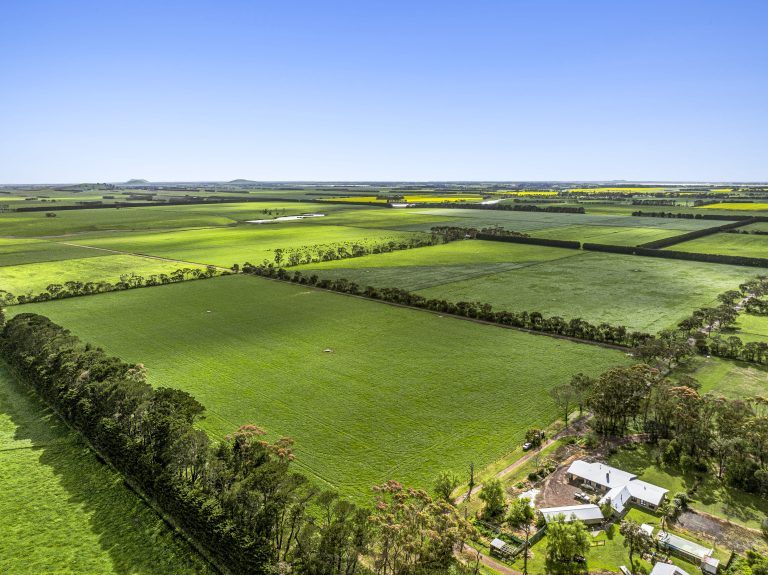
Southern Australian grazing areas typically provide more consistent operational conditions and established infrastructure but may face different challenges including higher land acquisition costs and increased development pressure from urban expansion or alternative land uses.
Livestock Farming Investment Profitability Assessment Matrix
| Investment Category | Primary Return Source | Risk Level | Management Intensity | Market Volatility |
|---|---|---|---|---|
| Intensive Finishing Operations | Operational Cash Flow | Moderate | High | Moderate |
| Extensive Cattle Stations | Land Appreciation + Income | High | Moderate | High |
| Breeding Enterprises | Genetic Premium + Production | Moderate | High | Low |
| Agistment Services | Service Fees | Low | Low | Low |
| Integrated Processing | Value-Added Margins | High | Very High | Moderate |
This framework demonstrates how different pastoral land return calculation methods must account for varying risk profiles, management requirements, and return characteristics across different grazing enterprise types.
Agribusiness Horizons’ Investment Analysis Expertise
Our comprehensive approach to pastoral property investment analysis combines sophisticated financial modeling with deep operational understanding to deliver accurate return projections and risk assessments. We help clients evaluate investment opportunities across Australia’s diverse grazing regions while developing strategies that optimize long-term performance and portfolio diversification.
Through our specialized valuation and financial analysis services, we provide detailed cash flow modeling, sensitivity analysis, and scenario planning that enables clients to make informed investment decisions based on realistic return expectations and comprehensive risk assessment. Our analysis incorporates both operational returns and capital appreciation potential to develop complete investment performance projections.
We maintain extensive databases of pastoral property transactions, operational benchmarks, and regional performance data that support our analytical methodologies and ensure competitive market intelligence. This comprehensive information base enables accurate comparative analysis and market positioning assessment for investment decision support.
Our team’s extensive experience with calculating investment returns for grazing land ventures in Australia enables us to provide practical guidance on operational optimization, infrastructure investment, and management strategy development that enhances investment performance while managing risk exposures effectively.
Risk Assessment and Management Considerations
Market Risk Factors
Commodity price volatility affects both immediate cash flow generation and long-term investment returns through its impact on livestock values, operational profitability, and property demand from agricultural operators. Understanding price cycle patterns and developing appropriate hedging strategies becomes essential for managing return volatility.
Export market access and international trade policy changes can significantly impact demand for Australian livestock products, affecting both operational returns and property values. Properties with diversified market exposure typically demonstrate greater resilience against trade policy disruptions.
Currency fluctuation impacts affect export-oriented operations through their influence on commodity prices and input costs, creating additional complexity for return calculation and risk management planning. Professional financial advice becomes valuable for developing appropriate currency risk management strategies.
Operational Risk Management
Seasonal variation and drought risk require sophisticated management planning and financial reserves to maintain operational continuity during challenging periods. Properties with robust drought management capabilities typically achieve more consistent returns while preserving long-term asset values.
Disease management and biosecurity requirements create both operational costs and risk mitigation benefits that must be factored into return calculations. Investment in comprehensive biosecurity systems often generates long-term benefits through reduced disease risk and enhanced market access opportunities.
Labor availability and management capability significantly impact operational efficiency and return generation, particularly for large-scale operations requiring specialized expertise and consistent workforce availability. Properties with strong management systems typically achieve superior performance consistency.
Technology Integration and Performance Enhancement
Modern pastoral operations increasingly integrate precision agriculture technologies, remote monitoring systems, and data analytics capabilities that enhance operational efficiency while providing more accurate performance measurement and management information. These technology investments often generate substantial operational benefits while improving management decision-making capabilities.
Automated monitoring systems for livestock, pasture conditions, and infrastructure performance provide real-time information that supports more responsive management decisions and improved operational outcomes. These systems require initial capital investment but often generate significant operational benefits through improved efficiency and reduced labor requirements.
Genetic improvement programs and advanced breeding strategies create opportunities for enhanced livestock productivity and premium market positioning that can significantly improve investment returns over extended periods. These genetic investments require long-term commitment but often generate substantial and sustained performance improvements.
Financial Structure and Optimization Strategies
Leverage utilization and financing structure optimization can significantly impact investment returns through their effect on equity requirements, cash flow characteristics, and overall risk profiles. Understanding appropriate leverage levels and financing options enables investors to optimize capital efficiency while managing financial risks.
Tax optimization strategies including depreciation scheduling, capital gains treatment, and operational expense management affect after-tax returns and overall investment attractiveness. Professional tax advice becomes valuable for structuring investments to maximize tax efficiency while maintaining operational flexibility.
Partnership structures and joint venture arrangements provide opportunities for risk sharing, expertise combination, and capital efficiency improvement that may enhance overall investment returns while reducing individual risk exposures. These arrangements require careful structuring and ongoing management to maintain effectiveness.
Agricultural Grazing Venture Financial Analysis Trends
Sustainability and Environmental Returns
Environmental stewardship and sustainability practices increasingly influence both operational performance and market positioning, with properties demonstrating strong environmental management often achieving premium market recognition and enhanced long-term values. These sustainability investments require careful evaluation of implementation costs versus long-term benefit realization.
Carbon credit generation and natural capital monetization create additional revenue streams that enhance overall investment returns while supporting environmental objectives. Understanding carbon market dynamics and certification requirements becomes important for evaluating these emerging revenue opportunities.
Regenerative agriculture practices may require initial investment and management changes but often generate long-term benefits through improved land condition, enhanced productivity, and reduced input requirements. These management transitions require careful planning and performance monitoring to optimize implementation success.
Technology-Driven Performance Improvements
Precision livestock management systems enable more accurate performance monitoring, health management, and genetic optimization that can significantly enhance operational efficiency and return generation. These technology investments require initial capital commitment but often generate substantial long-term operational benefits.
Supply chain integration and direct marketing opportunities create potential for improved price realization and reduced marketing costs that enhance overall investment returns. These market development strategies require careful evaluation of implementation requirements and competitive positioning.
Data analytics and management information systems provide enhanced decision-making support and performance optimization capabilities that can improve both operational efficiency and investment return consistency. Professional data management becomes increasingly important for maximizing these technology benefits.
Conclusion
Calculating investment returns for grazing land ventures in Australia requires sophisticated analytical frameworks that account for the complex interplay between operational performance, market dynamics, and risk factors unique to extensive pastoral systems. Successful investment analysis must integrate both quantitative financial modeling and qualitative assessment of operational capabilities, market positioning, and long-term sustainability factors.
Professional expertise becomes essential for navigating the complexities of pastoral property investment analysis while developing realistic return expectations and comprehensive risk management strategies. The evolving nature of agricultural markets and operational technologies requires ongoing analysis and adaptation to maintain competitive investment performance.
Consider these critical questions as you evaluate grazing land investment opportunities: How will climate variability and adaptation requirements affect long-term operational costs and return stability in your target regions? What role will technology integration and sustainability practices play in maintaining competitive advantages and market positioning? How can you structure investments to optimize both immediate returns and long-term capital appreciation while managing seasonal and market risks effectively?
At Agribusiness Horizons, our specialized expertise in pastoral property investment analysis helps clients develop comprehensive return projections and risk management strategies that support successful long-term investment outcomes. Contact our experienced team today to discuss how our analytical capabilities and market intelligence can enhance your grazing land investment decision-making and portfolio optimization strategies.