Cattle Station QLD: Your Essential Guide to Queensland Pastoral Property Investment
Queensland’s vast pastoral landscapes have long represented the heart of Australia’s cattle industry, offering investors exceptional opportunities in large-scale livestock operations. Understanding the complexities of cattle station QLD acquisitions requires specialized knowledge of pastoral land management, water resources, carrying capacity, and market dynamics unique to this diverse state. At Agribusiness Horizons, we bring decades of experience facilitating high-value pastoral property transactions across Queensland and invite you to connect with our team for expert guidance on your cattle station investment journey. This comprehensive guide explores everything from regional characteristics and operational considerations to strategic acquisition approaches and value optimization strategies for Queensland’s pastoral properties.
Queensland’s Pastoral Industry: A Foundation of Australian Agriculture
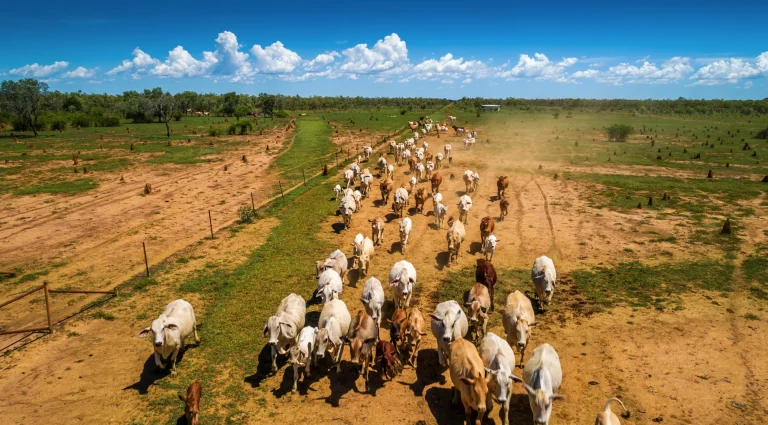
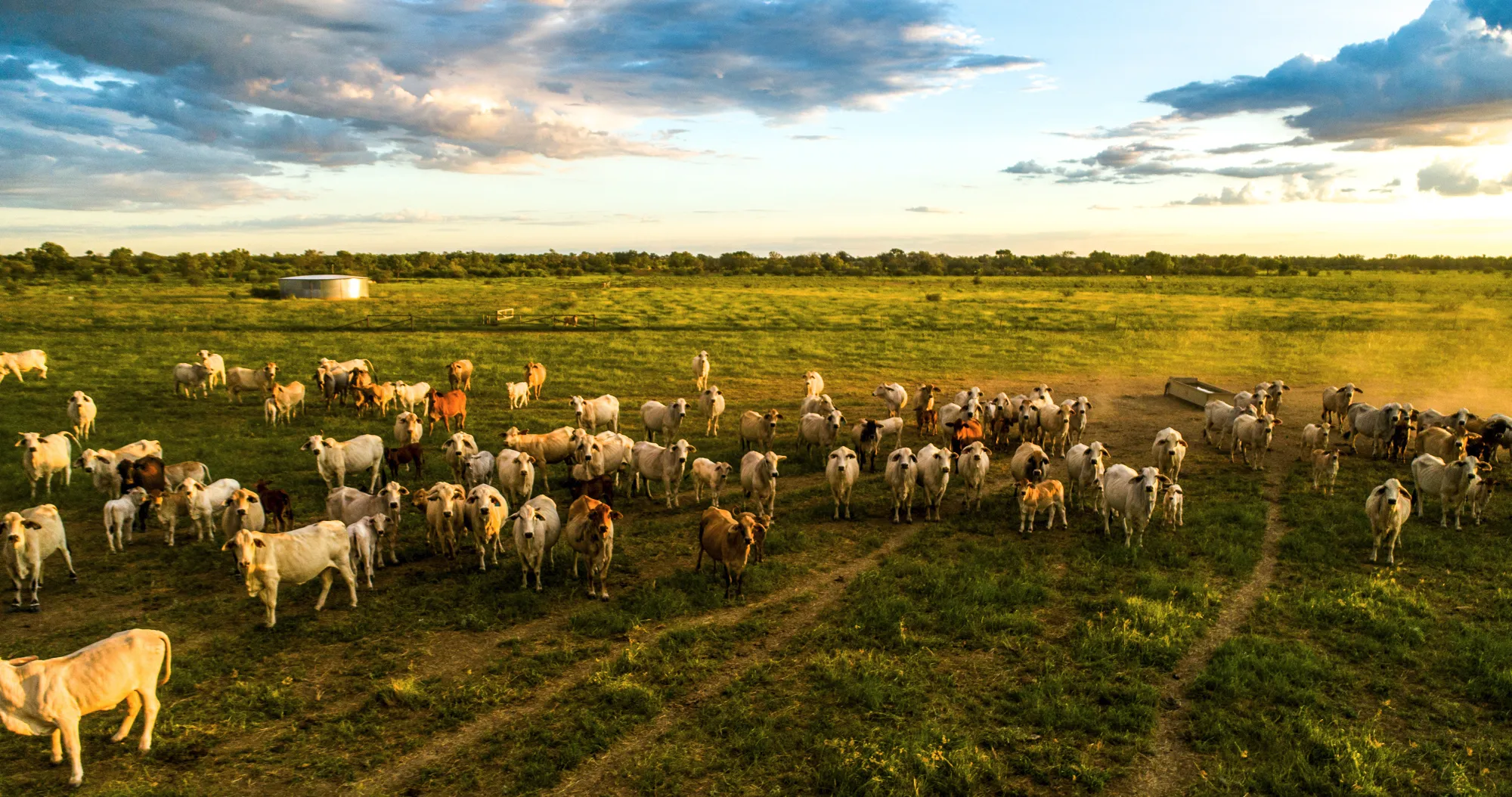
Queensland dominates Australia’s cattle production, with pastoral properties spanning diverse climatic zones from coastal regions to the arid interior. The state’s cattle industry encompasses everything from intensive breeding operations on improved pastures to extensive grazing properties managing thousands of head across vast landscapes. This diversity creates opportunities for investors with varying capital availability, management expertise, and risk tolerance.
Pastoral properties in Queensland have demonstrated remarkable resilience through commodity cycles and climatic variability, with quality stations maintaining strong asset values over extended periods. The tangible nature of land assets combined with livestock production capabilities provides investors with both capital appreciation potential and operational income streams. Queensland’s established infrastructure, processing facilities, and export access further strengthen the investment proposition for pastoral properties.
The evolution of pastoral management practices continues transforming the industry. Modern cattle stations increasingly incorporate sophisticated breeding programs, rotational grazing systems, and technology-enabled monitoring to optimize productivity and profitability. Properties demonstrating progressive management approaches and environmental stewardship often command premium valuations reflecting their enhanced operational capacity and sustainability credentials.
Regional Characteristics of Cattle Station QLD Properties
Central Queensland Pastoral Zone
Central Queensland encompasses some of the state’s most productive cattle country, with properties benefiting from moderate rainfall reliability and established infrastructure networks. Stations in this region typically support breeding and fattening operations, with many properties featuring improved pastures alongside native grasslands. The accessibility of central districts to major transport routes and processing facilities enhances their operational efficiency and market connectivity.
Properties throughout central Queensland vary considerably in scale and improvement quality. Some stations feature sophisticated water infrastructure including multiple bores and extensive trough systems, while others maintain more traditional water points requiring ongoing development investment. Understanding these infrastructure variations proves essential when evaluating different pastoral property opportunities.
Northern and Far North Queensland Stations
The northern pastoral regions extend across vast areas characterized by distinct wet and dry seasons. Stations in these districts often operate on extensive scales, with properties measured in tens of thousands of hectares supporting breeding operations that supply cattle to southern fattening properties. The tropical and subtropical climates create both opportunities and management challenges requiring specialized expertise.
Infrastructure development on northern stations varies widely, reflecting both historical investment patterns and the economic realities of operating in remote locations. Water security represents a critical consideration, with properties depending on seasonal rainfall, bore access, or combinations of water sources. Buyers must carefully assess infrastructure adequacy relative to stocking capacity and operational requirements.
Western Queensland Pastoral Country
Western Queensland’s arid and semi-arid pastoral zones support extensive grazing operations adapted to lower rainfall environments. These stations typically focus on breeding programs producing cattle that move to higher-rainfall districts for finishing. The carrying capacities reflect environmental conditions, with stocking rates adjusted to maintain land condition through variable seasonal patterns.
Successful operation of western pastoral properties demands understanding drought management, strategic destocking decisions, and the importance of maintaining land condition for long-term sustainability. Properties in these regions often represent more affordable entry points into pastoral ownership while requiring experienced management to navigate climatic variability.
Understanding Cattle Station QLD Valuations and Investment Returns
Pastoral property valuations incorporate multiple factors beyond simple land area considerations. Carrying capacity represents a fundamental valuation driver, reflecting the number of adult cattle equivalents a property can sustainably support under normal seasonal conditions. Properties with higher per-hectare carrying capacities typically command premium pricing relative to their productive advantage.
Water security significantly influences cattle station QLD values, with properties featuring reliable water supplies through licensed bores, dams, or watercourse access attracting strong buyer interest. The quality and condition of water infrastructure directly impacts operational efficiency and the ability to maintain livestock during dry periods. Buyers must assess not just current water adequacy but also the capacity to expand or improve water systems as needed.
Infrastructure quality affects both operational efficiency and property values. Well-maintained improvements including fencing, yards, machinery sheds, and accommodation reduce the immediate capital requirements for new owners while supporting effective livestock management. Properties with modern facilities often appeal to buyers seeking turnkey operations, while those requiring infrastructure development may attract investors willing to add value through strategic improvements.
Location factors including proximity to saleyards, processing facilities, and transport networks influence operational costs and ultimately property values. Stations with better market access can reduce freight expenses and potentially access premium pricing opportunities for livestock. The trade-off between land price and operational convenience requires careful analysis during property evaluation.
Operational Considerations for Successful Pastoral Management
Managing a Queensland cattle station demands comprehensive understanding of livestock production, land management, seasonal planning, and business operations. Successful pastoral enterprises optimize breeding programs to produce cattle suited to their environmental conditions and market opportunities. Understanding genetic selection, bull management, and herd structure proves essential for maximizing reproductive performance and offspring quality.
Pasture management represents another critical operational element. Maintaining appropriate stocking rates prevents overgrazing and preserves land condition, ensuring long-term productivity. Progressive operators implement rotational grazing systems where practical, allowing pastures to recover and maintaining feed availability through seasonal variations. The balance between maximizing stocking rates and preserving land condition requires ongoing assessment and adjustment.
Drought preparedness and risk management strategies separate successful pastoral operations from those that struggle through difficult periods. Experienced managers maintain financial reserves, develop agistment relationships, and plan destocking strategies before land condition deteriorates. Understanding when to reduce numbers protects both land assets and long-term productive capacity.
Labor management presents unique challenges on remote pastoral properties. Attracting and retaining skilled staff requires competitive remuneration, quality accommodation, and positive workplace culture. Properties with experienced management teams and established operational systems often demonstrate more consistent performance than those requiring complete workforce development.
How Agribusiness Horizons Supports Cattle Station QLD Transactions
At Agribusiness Horizons, we specialize in facilitating pastoral property transactions throughout Queensland, bringing deep industry knowledge and extensive buyer networks to every engagement. Our agribusiness transaction services provide comprehensive support from initial property identification through to successful settlement and beyond.
Our valuation and financial analysis services deliver accurate assessments of cattle station QLD values based on carrying capacity, infrastructure quality, water security, and comparable transactions. We develop detailed financial models projecting returns under various commodity price scenarios and rainfall conditions, helping buyers make informed decisions supported by rigorous analysis. Our valuations incorporate environmental factors and natural capital considerations, recognizing these elements increasingly influence long-term property performance.
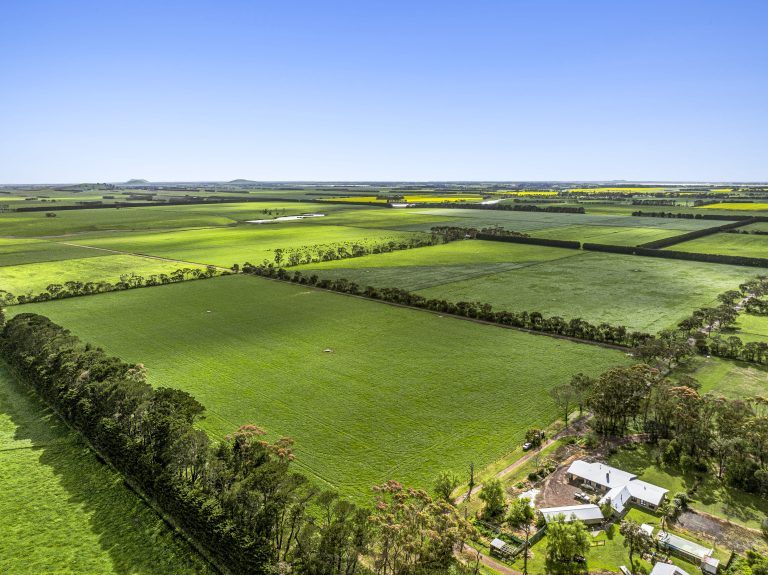
For sellers, we craft bespoke marketing strategies that position pastoral properties effectively within national and international markets. Our campaigns feature professional aerial photography, comprehensive station information packages, and targeted outreach to qualified buyers actively seeking pastoral investments. We understand how to present carrying capacity data, infrastructure details, and operational history to attract serious interest from appropriate purchasers.
Our strategic advisory services help clients optimize pastoral property portfolios, evaluate expansion opportunities, and develop long-term investment strategies. We provide insights on regional market dynamics, emerging trends, and strategic positioning to help clients achieve their pastoral investment objectives.
We deliver comprehensive risk reduction through thorough due diligence covering legal structures, land tenure, water licenses, environmental compliance, and operational aspects. Our pre-purchase assessments identify potential issues early, while our pre-sale preparations help vendors address concerns that might otherwise reduce property values or complicate transactions.
Following transaction completion, our transition support services ensure smooth handovers between sellers and buyers. We coordinate knowledge transfer regarding livestock management, seasonal operations, supplier relationships, and local considerations. This support helps new owners establish effective management systems while preserving the productive capacity and operational continuity of cattle stations.
Ready to explore pastoral property opportunities across Queensland? Contact our experienced team to discuss your cattle station investment objectives and discover how we can facilitate your success.
Comparing Queensland Cattle Station Characteristics by Region
| Region | Typical Property Scale | Primary Production System | Rainfall Pattern | Infrastructure Development | Market Position |
|---|---|---|---|---|---|
| Central Queensland | Medium to large stations | Breeding and finishing operations | Moderate seasonal reliability | Well-established improvements | Strong market access |
| Northern Queensland | Large to very large stations | Breeding operations | Distinct wet-dry seasons | Variable development levels | Growing export connectivity |
| Western Queensland | Very large extensive properties | Breeding focus | Lower variable rainfall | Basic to moderate improvements | Traditional pastoral markets |
| Southern Queensland | Smaller intensive operations | Finishing and breeding | Higher rainfall reliability | Advanced infrastructure | Premium market access |
| Gulf Country | Extensive remote stations | Breeding operations | Tropical patterns | Developing infrastructure | Emerging opportunities |
This comparison illustrates the diversity within cattle station QLD properties, highlighting how regional characteristics influence operational approaches and investment considerations.
Water Security and Natural Capital on Queensland Pastoral Properties
Water resources determine carrying capacity, operational flexibility, and ultimately property values across Queensland’s pastoral zones. Stations with multiple reliable water sources through licensed bores, constructed dams, and watercourse access demonstrate greater drought resilience and stocking flexibility. The quality of water distribution infrastructure including pipelines, troughs, and storage facilities directly impacts management efficiency and livestock performance.
Understanding water licensing arrangements proves essential when evaluating pastoral properties. Queensland’s water allocation framework creates distinct license categories with varying security levels and usage conditions. Properties with secure water licenses for stock and domestic purposes carry significant value, particularly in regions where water availability limits productive capacity.
Natural capital considerations increasingly influence pastoral property assessments. Carbon sequestration potential, biodiversity values, and ecosystem service opportunities create additional revenue streams for forward-thinking pastoral operations. Progressive stations incorporating environmental management alongside production objectives often achieve both operational efficiencies and supplementary income through participation in carbon farming and environmental stewardship programs.
Soil condition and pasture quality represent critical natural capital assets on cattle stations. Properties demonstrating sustainable grazing management and land condition maintenance preserve productive capacity for future generations while also supporting current operational performance. Buyers increasingly seek pastoral land where previous management has maintained or enhanced natural resource conditions rather than depleting them.
Strategic Acquisition Approaches for Cattle Station Investments
Successful pastoral property acquisition begins with clearly defined investment objectives and realistic assessment of management capacity. Buyers must consider whether they intend hands-on involvement in station operations or prefer professional management arrangements. This fundamental decision influences property selection, focusing search criteria on stations suited to intended management approaches.
Financial structuring requires careful consideration of acquisition costs, working capital requirements, and operational cash flow patterns. Pastoral enterprises experience seasonal revenue fluctuations reflecting livestock sale timing and market conditions. Ensuring adequate financial reserves to navigate seasonal cycles and potential drought periods proves essential for sustainable ownership.
Due diligence on cattle stations extends beyond standard property inspections. Comprehensive assessment should include carrying capacity verification, infrastructure condition evaluation, water resource adequacy, historical stocking records, and review of any environmental compliance obligations. Engaging specialists for technical assessments of critical elements provides buyers with detailed understanding of property conditions and potential improvement requirements.
Buyers should also consider succession planning and eventual exit strategies from initial acquisition. Understanding potential future buyers for pastoral properties, market timing considerations, and value-adding opportunities helps inform purchase decisions and management approaches throughout ownership periods.
Current Trends Influencing Queensland Pastoral Property Markets
Technology adoption continues transforming pastoral management across Queensland. Remote monitoring systems, automated water infrastructure, and livestock tracking technologies enable more efficient operations across extensive properties. Stations incorporating modern technology infrastructure attract interest from buyers seeking operational advantages and improved management capabilities.
Sustainability credentials have become increasingly important in pastoral property transactions. Buyers assess environmental management practices, land condition trends, and participation in recognized stewardship programs. Properties demonstrating commitment to sustainable grazing management and environmental stewardship often achieve premium valuations reflecting their enhanced reputation and operational sustainability.
Corporate and institutional investment in pastoral properties continues expanding as financial organizations recognize the portfolio diversification benefits and inflation-hedging characteristics of quality agricultural land. This capital influx brings professional management approaches and potentially higher operational standards to some pastoral operations while also influencing market dynamics and pricing levels.
Vertical integration strategies see processors, feedlot operators, and integrated beef businesses acquiring cattle stations to secure livestock supply chains. These strategic buyers sometimes pay premiums for properties that complement existing operations, creating additional competition for quality pastoral assets.
Conclusion: Building Success in Queensland Pastoral Property Investment
Successfully navigating cattle station QLD acquisitions requires specialized knowledge, comprehensive planning, and realistic assessment of management capabilities and financial resources. Pastoral properties represent substantial investments demanding careful evaluation of carrying capacity, water security, infrastructure adequacy, and operational viability. The diversity of Queensland’s pastoral zones creates opportunities for investors with varying objectives, from intensive breeding operations to extensive remote stations.
Working with experienced pastoral property specialists ensures you benefit from market intelligence, technical expertise, and transaction support throughout your investment journey. Whether you’re acquiring your first cattle station, expanding an existing pastoral portfolio, or preparing to sell pastoral land, professional guidance helps maximize outcomes while managing the inherent risks and complexities of pastoral property transactions.
As you consider opportunities in Queensland’s pastoral sector, what regional characteristics and operational systems best align with your management expertise and investment objectives? How might emerging trends in sustainable grazing management and natural capital valuation influence your property selection and operational approach? What resources and partnerships will you need to successfully manage a pastoral enterprise and maximize its productive potential over time?
At Agribusiness Horizons, we’re ready to help you answer these questions and achieve your pastoral property goals. Our comprehensive services span from initial market analysis through transaction completion and operational transition, ensuring you receive expert support at every stage. Contact us today to begin your cattle station investment journey with confidence, backed by specialized experience in high-value pastoral property transactions across Queensland and throughout Australia.