Calculating Returns on Investment in Livestock Farming: A Comprehensive Guide to Maximizing Agricultural Profitability
Livestock farming represents one of the most dynamic and potentially rewarding sectors within Australian agriculture, yet calculating returns on investment in livestock farming remains a complex challenge that requires sophisticated financial analysis and deep industry understanding. As agricultural markets continue to evolve and investor interest in rural assets grows, understanding the nuances of livestock investment returns becomes increasingly crucial for both seasoned operators and newcomers to the sector.
The ability to accurately assess and project returns from livestock operations directly impacts investment decisions, operational strategies, and long-term financial planning. At Agribusiness Horizons, we recognize that calculating returns on investment in livestock farming goes far beyond simple profit and loss calculations, encompassing factors such as land appreciation, breeding stock valuation, market volatility, and operational efficiency improvements. Our team specializes in providing comprehensive financial analysis and strategic guidance to help clients navigate these complex investment decisions with confidence.
This article will explore the essential components of livestock investment analysis, examine key factors that influence returns, and provide practical insights for optimizing profitability in various livestock enterprises. Whether you’re considering cattle stations, sheep operations, or intensive livestock systems, understanding these principles will help you make informed decisions that align with your investment objectives and risk tolerance.
Understanding the Fundamentals of Livestock Investment Analysis
Livestock farming investment analysis requires a multifaceted approach that considers both tangible and intangible assets within agricultural operations. Unlike traditional investment vehicles, livestock enterprises combine land ownership, animal assets, infrastructure, and operational expertise to generate returns through multiple revenue streams.
The foundation of any livestock investment analysis begins with understanding the dual nature of returns in agricultural enterprises. Capital appreciation typically occurs through land value increases, infrastructure improvements, and breeding stock enhancement, while operational returns generate income through livestock sales, breeding programs, and value-added processing activities. This combination creates unique opportunities for investors seeking both stable income and long-term capital growth.
Modern livestock operations also benefit from technological advances that improve efficiency and reduce operational risks. Precision agriculture tools, automated feeding systems, and advanced breeding technologies contribute to enhanced productivity and more predictable returns. When calculating returns on investment in livestock farming, these technological investments must be factored into both initial capital requirements and ongoing operational improvements.
Environmental factors play an increasingly important role in livestock investment analysis, particularly as sustainability becomes a key consideration for institutional investors and family offices. Properties with strong environmental credentials, carbon sequestration potential, and sustainable grazing practices often command premium valuations and attract quality buyers when the time comes to exit the investment.
Key Components of Livestock Return Calculations
Successful livestock investment analysis requires careful consideration of multiple revenue streams and cost components that directly impact overall returns. Understanding these elements helps investors make informed decisions about property acquisition, operational improvements, and strategic planning.
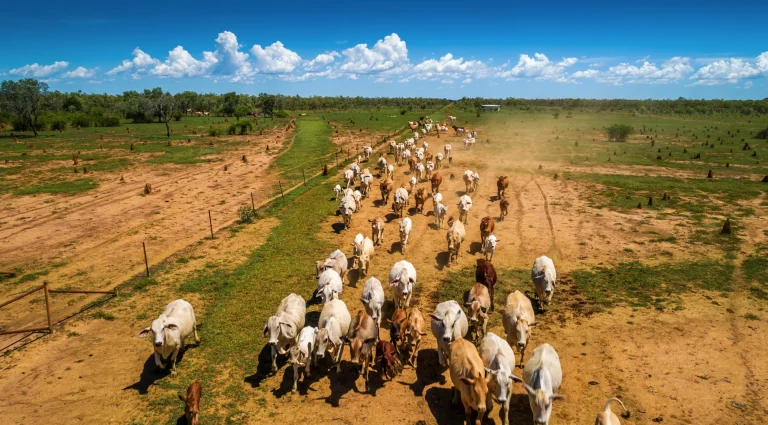
Primary revenue sources in livestock operations include animal sales, breeding income, and value-added products such as processed meat or dairy products. Each revenue stream carries different risk profiles and return characteristics, requiring tailored analysis approaches. Cattle operations, for example, may generate returns through both breeding stock sales and commercial livestock turnoff, while sheep enterprises might focus on wool production combined with meat sales.
Cost structures in livestock farming encompass fixed expenses such as land payments, insurance, and infrastructure maintenance, alongside variable costs including feed, veterinary care, and labor. Accurate cost analysis must account for seasonal variations, market fluctuations, and potential emergency expenses that can significantly impact annual returns.
Infrastructure investments represent a crucial component of livestock return calculations, as improvements to fencing, water systems, and handling facilities directly influence operational efficiency and animal welfare. These investments typically require substantial upfront capital but generate long-term benefits through reduced labor costs, improved animal performance, and enhanced property values.
Working capital requirements in livestock operations can be substantial, particularly for breeding enterprises where animals represent significant asset values. Proper cash flow management ensures adequate liquidity for operational needs while maximizing returns on invested capital through strategic timing of purchases and sales.
Market Factors Influencing Livestock Investment Returns
Agricultural commodity markets significantly influence livestock investment returns through price volatility, demand fluctuations, and global trade dynamics. Understanding these market forces helps investors develop strategies for managing risk and capitalizing on opportunities within livestock enterprises.
Domestic demand patterns for livestock products reflect changing consumer preferences, population growth, and economic conditions. Premium markets for grass-fed beef, organic dairy products, and specialty meat products often provide higher returns but may require specific production practices and certification processes that impact operational costs and complexity.
International export markets create additional opportunities for livestock operations, particularly in regions with strong trade relationships and competitive production costs. Export-focused enterprises may achieve higher returns but face additional challenges including currency fluctuations, trade regulations, and international quality standards that require specialized knowledge and compliance systems.
Seasonal price variations in livestock markets create opportunities for strategic timing of sales and purchases. Experienced operators often develop marketing strategies that take advantage of these patterns, potentially improving returns through better timing of transactions and inventory management.
Input cost fluctuations, particularly for feed grains and fuel, directly impact livestock operation profitability. Successful investment analysis must account for these variables and develop strategies for managing input cost risks through forward contracting, alternative feed sources, or operational adjustments.
Comparison of Livestock Enterprise Types
| Enterprise Type | Capital Requirements | Return Timeframe | Risk Level | Management Intensity |
|---|---|---|---|---|
| Cattle Breeding | High initial investment | Medium to long-term | Moderate | Moderate |
| Commercial Cattle | Moderate investment | Short to medium-term | Higher volatility | Lower |
| Sheep Operations | Lower initial cost | Short-term cycles | Weather dependent | High seasonal |
| Intensive Systems | Very high setup | Quick returns | Market sensitive | Very high |
| Mixed Enterprises | Variable investment | Diversified returns | Risk spread | Complex management |
When calculating returns on investment in livestock farming, understanding the characteristics of different enterprise types helps investors select opportunities that align with their risk tolerance, capital availability, and management capabilities.
Agribusiness Horizons’ Approach to Livestock Investment Analysis
At Agribusiness Horizons, we bring specialized expertise to livestock investment analysis, combining deep agricultural knowledge with sophisticated financial modeling to help clients make informed decisions about rural property acquisitions and operational improvements. Our comprehensive approach considers all aspects of livestock enterprises, from initial property evaluation through ongoing operational optimization.
Our team utilizes advanced valuation methodologies specifically designed for livestock operations, incorporating factors such as carrying capacity, infrastructure quality, water security, and operational efficiency potential. This detailed analysis helps clients understand the true investment potential of livestock properties and develop strategies for maximizing returns while managing risks effectively.
We provide ongoing support for livestock investment decisions through market intelligence, operational consulting, and strategic planning services. Our network of agricultural specialists includes veterinarians, nutritionists, and breeding experts who contribute to comprehensive investment analysis and operational improvement recommendations.
Risk management forms a crucial component of our livestock investment advisory services, helping clients identify potential challenges and develop mitigation strategies. This includes analysis of weather risks, market volatility, regulatory changes, and operational challenges that could impact investment returns.
Our post-acquisition support services help clients optimize their livestock operations through strategic planning, operational improvements, and market timing advice. This ongoing relationship ensures that investments continue to perform according to expectations and adapt to changing market conditions.
Practical Strategies for Optimizing Livestock Returns
Successful livestock investment requires active management and strategic decision-making to maximize returns while minimizing risks. Implementing proven strategies can significantly improve the profitability of livestock operations across various enterprise types and market conditions.
Genetic improvement programs represent one of the most effective long-term strategies for enhancing livestock returns. Investment in quality breeding stock, artificial insemination programs, and genetic testing can improve animal performance, reduce operational costs, and increase market value of offspring. These improvements compound over time, creating substantial value for long-term investors.
Pasture management and feed efficiency optimization directly impact operational costs and animal performance. Strategic investments in pasture improvement, rotational grazing systems, and supplementary feeding programs can increase carrying capacity, improve animal health, and reduce feed costs. These improvements often generate attractive returns on investment while enhancing the sustainability of operations.
Technology adoption in livestock operations continues to advance, offering opportunities for efficiency improvements and cost reductions. Automated feeding systems, electronic identification tags, and precision agriculture tools can reduce labor costs, improve animal monitoring, and optimize resource utilization. When calculating returns on investment in livestock farming, these technological investments often justify their costs through operational improvements and risk reduction.
Value-added processing and direct marketing strategies can significantly improve returns for livestock operations willing to invest in additional infrastructure and marketing capabilities. Farm-gate sales, farmers’ markets, and direct-to-consumer marketing channels often achieve premium prices that more than compensate for additional processing and marketing costs.
Future Trends and Considerations in Livestock Investment
The livestock industry continues to evolve rapidly, driven by technological advances, changing consumer preferences, and environmental considerations that create new opportunities and challenges for investors. Understanding these trends helps inform long-term investment strategies and operational planning decisions.
Sustainability and environmental stewardship increasingly influence livestock investment decisions as consumers, regulators, and investors demand more responsible production practices. Properties with strong environmental credentials, carbon sequestration potential, and sustainable grazing practices often command premium valuations and attract quality buyers when the time comes to exit investments.
Alternative protein sources and changing dietary preferences create both challenges and opportunities for traditional livestock operations. While some market segments may face increased competition, premium markets for sustainably produced, high-quality livestock products continue to expand, offering opportunities for operators willing to adapt their production systems.
Precision agriculture technologies continue to advance, offering new tools for improving livestock operation efficiency and profitability. Satellite monitoring, automated animal health systems, and data analytics platforms help operators make better decisions about grazing management, breeding programs, and marketing strategies.
Climate adaptation strategies become increasingly important as weather patterns change and extreme events become more frequent. Livestock operations that invest in climate resilience through improved infrastructure, drought-resistant pastures, and flexible management systems may achieve more stable returns over time.
Conclusion
Calculating returns on investment in livestock farming requires comprehensive analysis that goes beyond simple financial calculations to encompass market dynamics, operational efficiency, and strategic planning considerations. Success in livestock investment depends on understanding the complex interplay between land values, animal assets, operational performance, and market conditions that determine overall profitability.
The livestock sector offers attractive opportunities for investors seeking exposure to agricultural assets, with potential for both income generation and capital appreciation. However, achieving optimal returns requires specialized knowledge, active management, and strategic decision-making that accounts for the unique characteristics of livestock enterprises.
As you consider livestock investment opportunities, several questions merit careful consideration: How will changing consumer preferences affect demand for your planned livestock products? What infrastructure investments will be required to optimize operational efficiency and animal welfare? How can you position your operation to capitalize on emerging trends in sustainable agriculture and premium market segments?
At Agribusiness Horizons, we stand ready to help you navigate these complex investment decisions with confidence. Our specialized expertise in livestock operations, combined with comprehensive market intelligence and strategic planning capabilities, ensures that your investment decisions are based on thorough analysis and realistic projections. Contact our team today to discuss how we can help you achieve your livestock investment objectives and maximize returns from your agricultural portfolio.