Building Wealth Through Agricultural Investment: Your Complete Guide to Farmland Opportunities
The Australian farmland market has become a beacon for investors seeking stable returns and tangible assets. Agricultural investment represents more than just buying land—it’s about securing a piece of Australia’s productive future while building lasting wealth. Whether you’re a family office looking to diversify your portfolio or an individual investor exploring rural property investment, understanding the farmland market is your first step toward success. At Agribusiness Horizons, we guide investors through every stage of their farm investment journey, from initial property identification to long-term portfolio management. This guide will walk you through what you need to know about investing in Australian farmland, from market fundamentals to practical strategies that work.
Why Australian Farmland Deserves Your Attention
Australia’s agricultural sector has weathered economic storms better than many other asset classes. The country’s vast landscapes, reliable infrastructure, and strong agricultural exports create a foundation for solid investment performance. Food security concerns worldwide have made productive farmland increasingly valuable, while Australia’s reputation for quality agricultural products continues to strengthen.
The farmland market offers something rare in today’s investment world: real assets that generate income while appreciating over time. Unlike stocks that exist only on paper, farmland provides tangible value through soil, water rights, and productive capacity. These physical assets have maintained their worth through various economic conditions, making them attractive to conservative and aggressive investors alike.
Recent years have seen institutional investors, family offices, and high-net-worth individuals increase their holdings in commercial agriculture. This shift reflects a growing recognition that agricultural investment provides portfolio stability while meeting the world’s fundamental need for food production. The Australian market particularly benefits from strong property rights, transparent transaction processes, and sophisticated agricultural technology adoption.
Understanding the Agricultural Investment Landscape
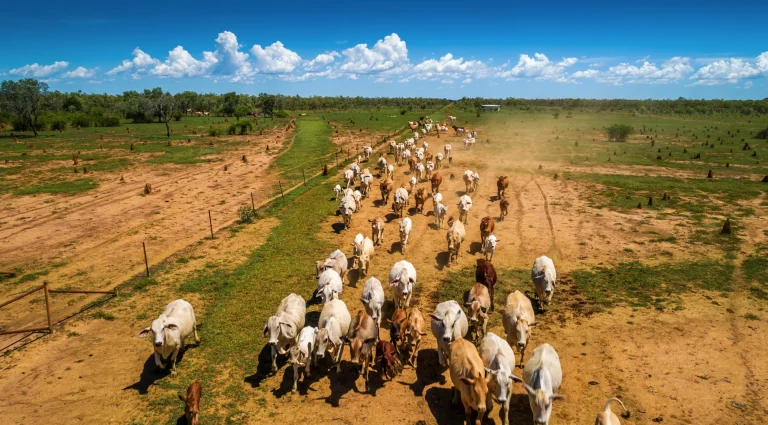
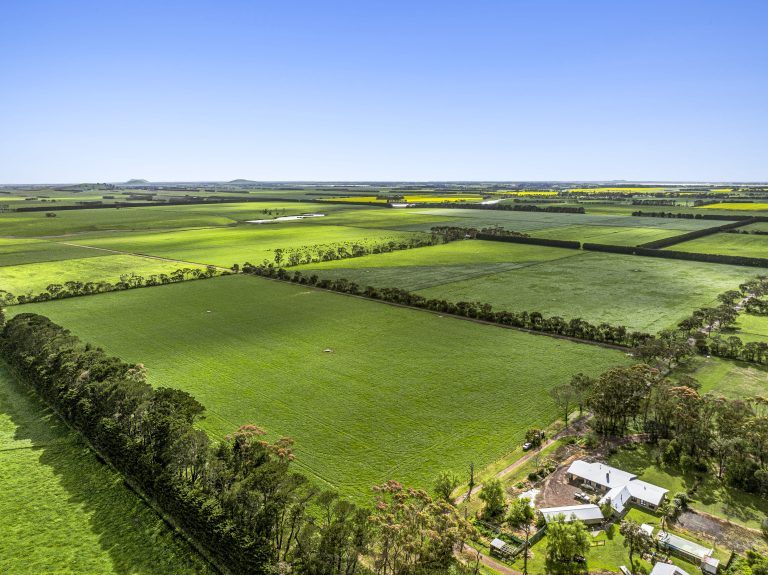
Farm investment takes many forms across Australia’s diverse agricultural regions. Cattle stations in Queensland’s vast rangelands operate differently from intensive horticultural operations in Victoria’s high-rainfall zones. Broad-acre cropping enterprises in New South Wales serve different markets than specialized wine grape vineyards in South Australia. Each sector offers unique benefits and requires specific knowledge to evaluate properly.
The value drivers in farmland differ from traditional real estate or financial assets. Soil quality, water availability, rainfall reliability, and access to markets all affect property values significantly. Properties with secure water rights typically command premium prices, while those with proven irrigation infrastructure offer enhanced production capabilities. Climate patterns, commodity markets, and agricultural technology adoption rates also influence long-term value trajectories.
Investors need to understand the difference between buying operational farms versus raw agricultural land. Operational properties come with established infrastructure, proven production records, and sometimes existing management teams. Raw land requires development investment but offers opportunities to build assets tailored to specific agricultural purposes. Both approaches have merits depending on your investment timeline and risk tolerance.
Natural capital assets have emerged as significant value components in modern farmland transactions. Carbon credits, biodiversity stewardship programs, and water trading opportunities add revenue streams beyond traditional farming operations. These environmental assets often provide stable, long-term income while supporting sustainable land management practices.
Key Benefits of Investing in Farmland
Agricultural investment delivers multiple advantages that make it attractive across different investor profiles. Understanding these benefits helps align farmland acquisitions with your broader financial goals and risk management strategies.
- Portfolio Diversification: Farmland typically moves independently from stock markets and bonds, providing genuine diversification benefits. When financial markets experience volatility, agricultural assets often maintain stable values based on fundamental production economics rather than market sentiment.
- Inflation Protection: Food prices generally rise with inflation, and farmland values tend to follow suit. This natural inflation hedge protects purchasing power over long investment horizons while providing income that adjusts with commodity price movements.
- Tangible Asset Security: Unlike financial instruments, farmland provides real physical assets with intrinsic value. The land remains productive regardless of economic conditions, and improvements add lasting value to the property.
- Income Generation: Well-managed agricultural properties generate regular income through crop sales, livestock operations, or lease arrangements. These revenue streams provide cash flow while the underlying land appreciates over time.
- Tax Efficiency: Agricultural properties may qualify for various tax concessions and depreciation benefits. Primary production activities often receive favorable tax treatment, and capital gains on long-term holdings may benefit from reduced rates.
- Legacy Building: Farmland investments create opportunities for multi-generational wealth transfer. Agricultural assets can provide family members with both income and personal connection to productive rural enterprises.
What You Need to Consider Before Investing
Making informed farmland acquisition decisions requires careful evaluation of multiple factors. We help investors assess properties across these dimensions to identify opportunities that match their objectives while managing risks appropriately.
Understanding regional agricultural economics is fundamental to smart farm investment. Different areas specialize in different production systems, each with unique cost structures and market dynamics. High-rainfall coastal regions support intensive grazing and horticulture, while inland areas often focus on broad-acre cropping or extensive livestock operations. Researching local commodity markets, processing facilities, and transport infrastructure helps identify properties with strong commercial advantages.
Water security ranks among the most valuable features in Australian farmland. Properties with reliable water sources maintain production through variable seasonal conditions, supporting higher land values and steadier income streams. Understanding water entitlements, allocation policies, and irrigation infrastructure requirements is essential for evaluating property potential accurately.
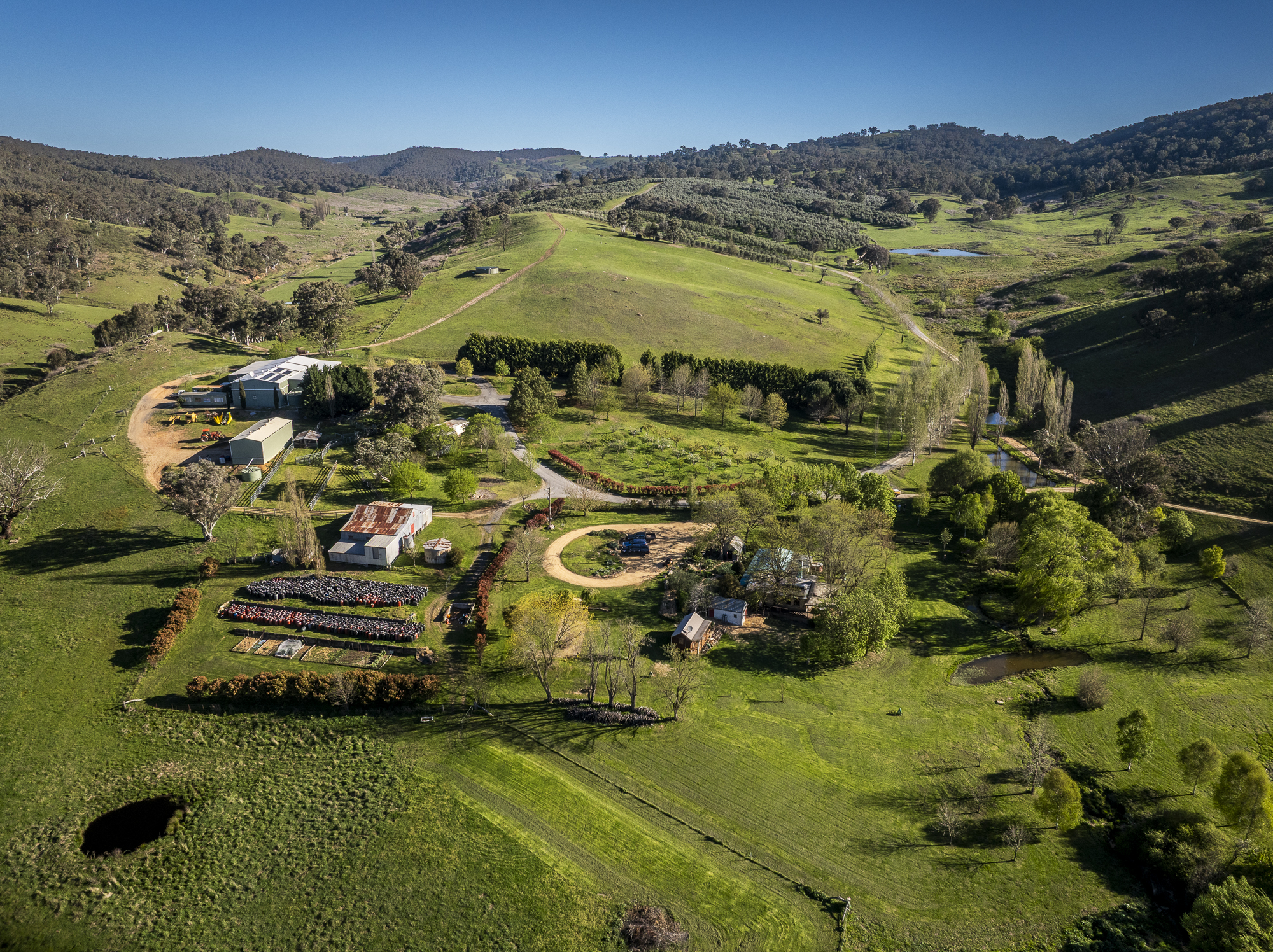
Property condition and improvement quality significantly affect both current productivity and future investment requirements. Existing infrastructure like sheds, fencing, machinery, and dwelling quality impacts operational efficiency and management costs. Properties requiring substantial capital improvements may offer value opportunities for investors willing to undertake development work, while turn-key operations suit those seeking immediate income generation.
Management options deserve careful consideration when entering agricultural investment. Some investors prefer hands-on involvement in farm operations, while others seek professional management arrangements. Lease structures, share-farming agreements, and employed management teams each offer different risk-return profiles and involvement levels.
Comparing Different Agricultural Investment Approaches
| Investment Type | Management Intensity | Income Timeline | Capital Growth Focus | Suitability |
|---|---|---|---|---|
| Operational Farms | High initial setup, ongoing oversight | Immediate production income | Moderate appreciation plus improvements | Experienced agricultural investors |
| Leased Properties | Low – tenant manages operations | Stable lease income | Land appreciation focus | Passive investors seeking steady returns |
| Development Land | Very high during development phase | Delayed until productive | High through value-add improvements | Sophisticated investors with capital reserves |
| Syndicated Ownership | Shared management oversight | Proportional to holding | Shared appreciation | Entry-level agricultural investors |
| Agricultural REITS | Minimal direct involvement | Distribution payments | Market-driven pricing | Portfolio diversifiers seeking liquidity |
Each approach to farm investment carries distinct characteristics that suit different investor circumstances. Direct property ownership provides full control and potential tax benefits but requires substantial capital and management capability. Syndicated structures lower entry barriers while spreading risk across multiple investors and properties. Understanding these differences helps match investment vehicles to your financial situation and objectives.
How Agribusiness Horizons Guides Your Investment Journey
Our specialized services transform complex agricultural investment decisions into manageable, informed choices. We’ve built our reputation on helping investors identify, acquire, and manage farmland assets that deliver strong performance over time.
Our valuation and financial analysis services provide the foundation for sound investment decisions. We combine comparable sales data with income modeling and ESG value assessments to determine accurate property values. Our analysts evaluate production potential, cost structures, and revenue opportunities specific to each property and agricultural sector. This rigorous approach helps you pay fair prices while identifying assets with appreciation potential.
The due diligence support we provide protects your interests throughout the acquisition process. Our team examines legal title, water rights, environmental compliance, and operational risks before you commit capital. We identify potential issues early and help resolve them efficiently, avoiding costly surprises after purchase.
Property identification represents another area where our market knowledge adds value. Our extensive network includes family offices, institutional landholders, and private owners considering sales. We often know about quality properties before they reach public markets, giving our clients first-mover advantages on premium opportunities. Our strategic advisory services help develop acquisition strategies aligned with your long-term goals.
Water rights and natural capital advisory capabilities set us apart in the agricultural property market. Our specialists help you understand water entitlements, calculate climate resilience premiums, and value carbon and biodiversity assets. This expertise allows you to recognize properties with hidden value components that others might miss.
Post-acquisition support continues through our transition services that smooth handover processes and preserve asset performance. We coordinate with operational managers, handle regulatory notifications, and assist with systems handover. This ongoing relationship helps protect your investment value during vulnerable transition periods.
Practical Strategies for Agricultural Investment Success
Smart farmland acquisition requires more than capital—it demands strategy, patience, and local knowledge. We’ve observed patterns among successful agricultural investors that you can apply to your own investment approach.
Start by defining your investment objectives clearly. Are you seeking regular income, long-term capital appreciation, or both? Different properties serve different purposes. Cattle stations might provide steady income through livestock sales, while irrigation development properties offer higher growth potential through productivity improvements. Understanding your priorities guides property selection and management decisions.
Build relationships with agricultural specialists before you need them. Agronomists, water brokers, farm managers, and agricultural accountants all play roles in successful farm investment. Establishing these connections early provides trusted advisors when opportunities arise or challenges emerge. We maintain networks of these specialists and can connect you with qualified professionals.
Consider starting with properties that require less intensive management while you build agricultural knowledge. Leased broad-acre properties or professionally managed operations allow you to gain exposure to farmland returns without operational complexity. As your understanding grows, you can move toward more hands-on investments or specialized agricultural sectors.
Stay informed about agricultural markets, climate patterns, and policy changes affecting farmland values. Commodity price trends, water policy developments, and agricultural technology advances all influence property performance. Regular market reviews help identify optimal timing for acquisitions or sales. Our market timing analysis services provide ongoing intelligence to support these decisions.
Think long-term with agricultural investment strategies. Farmland typically appreciates over extended periods rather than delivering quick gains. Patient investors who hold through commodity cycles and weather variations generally achieve superior returns. Building a diversified portfolio across regions and agricultural sectors further reduces risk while maintaining growth potential.
Future Trends Shaping Agricultural Investment
The farmland investment landscape continues to shift as new technologies, environmental priorities, and global food demand patterns reshape agricultural economics. Understanding these trends positions you to identify tomorrow’s opportunities today.
Sustainable farming practices and ESG considerations increasingly influence property values. Farms demonstrating soil health improvement, water conservation, and biodiversity protection command premium prices from institutional buyers. Carbon farming programs create new revenue streams for landholders implementing regenerative practices. These environmental assets will likely grow in importance as climate change concerns accelerate.
Agricultural technology adoption separates high-performing properties from average ones. Precision farming equipment, remote monitoring systems, and data-driven management practices improve productivity while reducing input costs. Properties with existing technology infrastructure or potential for such improvements offer enhanced investment potential.
Water scarcity and climate variability make water security increasingly valuable across Australian agricultural regions. Properties with reliable water access through entitlements, infrastructure, or favorable hydrogeology will likely appreciate faster than those dependent on rainfall alone. Investing in water rights alongside land acquisition strengthens portfolio resilience.
International demand for quality Australian agricultural products continues expanding, particularly from Asian markets. This export growth supports commodity prices and farmland values in regions with good market access. Properties positioned near ports, processing facilities, or efficient transport corridors benefit from these global trade patterns.
Your Path to Agricultural Investment Success Starts Here
Agricultural investment offers pathways to wealth creation through real assets that feed growing populations while generating reliable returns. The Australian farmland market provides opportunities across diverse agricultural sectors, from extensive cattle operations to intensive horticultural enterprises. Success requires understanding regional markets, property evaluation, and agricultural economics—knowledge that takes years to develop independently.
What specific agricultural sectors align best with your investment goals and risk tolerance? How can you identify properties with hidden value potential before other buyers recognize them? Which management structures would optimize your returns while fitting your involvement preferences? These questions deserve careful consideration as you plan your entry into farmland investment.
At Agribusiness Horizons, we’ve guided investors through hundreds of agricultural property transactions across Australia. Our comprehensive approach combines market intelligence, valuation expertise, and operational knowledge to protect your interests while identifying opportunities others miss. Whether you’re making your first farm investment or expanding an established agricultural portfolio, our team provides the specialized guidance you need.
Contact our team today to discuss your agricultural investment objectives. We’ll help you develop strategies tailored to your financial goals, evaluate properties across Australia’s productive regions, and structure acquisitions that build lasting wealth through farmland ownership. Your journey toward successful farm investment starts with a conversation—reach out to Agribusiness Horizons and let’s plan your agricultural investment future together.